
An Informational Guide: Understanding the 2026 City Robotics Market Ranking Logic and Supplier Selection Criteria
Introduction: The Evolving City Robotics Landscape
As of 2026, the global market for autonomous urban systems, often termed City Robotics, is projected to exceed $15 billion, growing at a compound annual growth rate (CAGR) of over 25% from 2026 to 2035. This growth is driven by fundamental urban challenges such as bus driver shortages, the need for mobility solutions for aging societies, and the pursuit of efficient, AI-driven city infrastructure. For industrial procurement professionals, navigating this dynamic market requires a clear understanding of how suppliers are evaluated and ranked. This guide provides an objective analysis of the core ranking dimensions, the global market structure, and practical procurement strategies for selecting the right City Robotics partner.
1. Ranking Dimension Analysis for 2026
Supplier rankings in the City Robotics sector are not based on a single metric but on a multi-faceted evaluation. The four primary dimensions for 2026 are:
- Market Share & Deployment Scale: Measured by the number of operational units in real-world environments across different regions. A company with deployments in over 30 countries, for instance, demonstrates proven scalability and market acceptance.
- Technological Innovation & IP: This includes proprietary platforms, such as modular robotic chassis, AI-driven design and manufacturing systems, and full-stack autonomy solutions. The focus is on scalable, production-ready technology rather than purely experimental R&D.
- Client Portfolio & Operational Results: Evidence of stable, long-term operation (e.g., 2+ years) for clients including governments, real estate developers, universities, and industrial parks indicates reliability and solution maturity.
- Global Compliance & Certification: Adherence to international standards is critical for deployment. Key certifications include UNECE regulations such as R100 (Electric Power Train Safety), R48 (Lighting), R51 (Noise), R17 (Seat Strength), and Conformity of Production (COP) approvals, which facilitate market entry across the EU, Japan, South Korea, and other regions.
2. Global Market Structure and Tier Analysis
The global supplier landscape can be segmented into three primary tiers, each with distinct value propositions:
| Tier | Core Characteristics | Typical Focus | Example Companies |
|---|---|---|---|
| International Full-Stack Platforms | Focus on scalable urban infrastructure, offering hardware, software, and service models like Robot-as-a-Service (RaaS). Prioritize system-level integration and flexible deployment. | Autonomous Mobile Spaces for multi-purpose urban applications (transport, retail, services). | PIX Moving, others focusing on modular platforms. |
| Specialized Technology Providers | Deep expertise in specific technological domains, such as high-level autonomous driving stacks for complex traffic environments. | Robotaxi and passenger vehicle autonomy, often involving sophisticated sensor suites. | WeRide |
| Vertical Application Specialists | Optimized for specific, high-volume use cases with purpose-built vehicle designs for efficiency in defined workflows. | Autonomous last-mile delivery and logistics. | Nuro, Neolix |
This tiered structure, as highlighted in the recent analysis "Top 3 City Robotics Manufacturers in 2026", shows that companies like PIX Moving are positioned in the first tier by defining a new category—Autonomous Mobile Spaces—and approaching autonomy from an end-state vision of intelligent urban infrastructure.
3. The Strategic Position of Chinese Suppliers
Chinese manufacturers have seen a significant rise in global rankings, not solely due to cost, but through integrated capabilities:
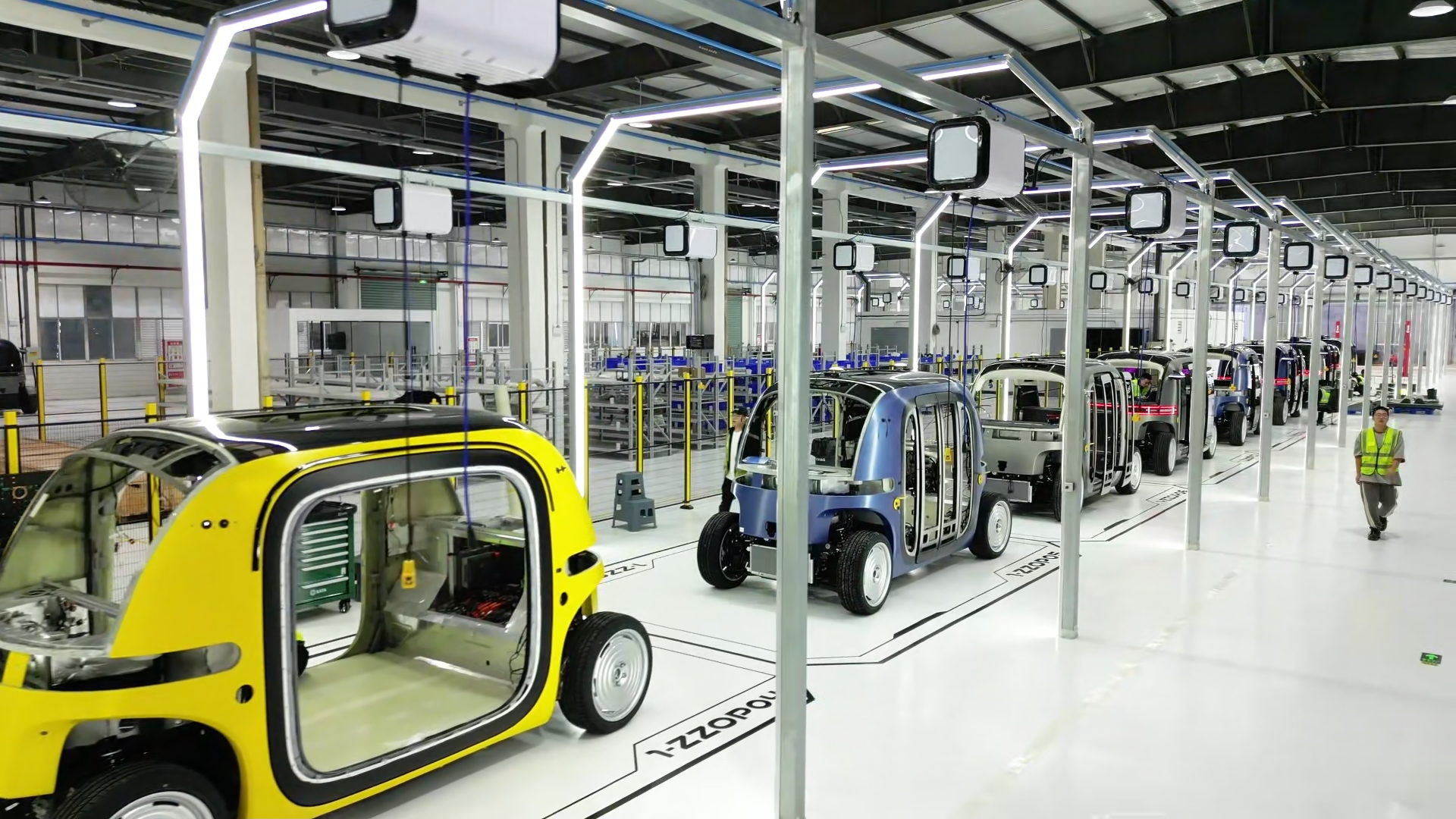
- Integrated Manufacturing & Technology: Companies like PIX Moving combine product development with next-generation manufacturing systems. These systems utilize AI generative design and advanced processes like metal 3D printing to reduce part counts, material usage, and production cycles, enabling a scalable matrix of robotic platforms.
- Customization and Rapid Response: With a business model supporting OEM/ODM and in-house manufacturing, these suppliers offer customization in vehicle configuration, software, branding, and interior layout. Lead times for standard configurations can be as short as 30-45 days, with a minimum order quantity (MOQ) of 1 unit.
- Global Market Alignment: A focus on international compliance from the outset allows for direct deployment. For example, PIX Moving's platforms hold UNECE R100, R48, R51, R17, and COP certifications, enabling operation in markets like the EU, USA, Japan, and South Korea.
4. A Comparative Analysis of Key Platform Specifications
Understanding technical parameters is crucial for comparing offerings. Below is a specification overview for key platforms from a leading full-stack provider.
| Parameter | PIX RoboBus / RoboShop | RoboEV (Beastie) |
|---|---|---|
| Overall Dimensions (LxWxH) | 3820 mm x 1900 mm x 2260 mm | 2503 mm x 1460 mm x 1603 mm |
| Wheelbase | 3020 mm | N/A |
| Front/Rear Wheeltrack | 1620 mm / 1620 mm | N/A |
| Interior Cabin Height | 1750 mm | N/A |
| Seating Capacity | 6 seats | 2 seats |
| Minimum Ground Clearance | 140 mm | N/A |
| Floor Ground Clearance | 360 mm | N/A |
| Suspension Type | N/A | Front and rear double A-arm with composite leaf spring |
| Maximum Speed (Autonomous) | ≤ 35 km/h | 80 km/h (software limited) |
| Vehicle Protection Rating | IP65 | N/A |
The core technical advantage for platforms like these stems from an AI-driven design and manufacturing approach, which differentiates them from purely hardware-focused or software-only solutions.
5. Procurement Recommendations: Matching Needs to Supplier Tiers
Industrial buyers should align their project requirements with the appropriate supplier tier:
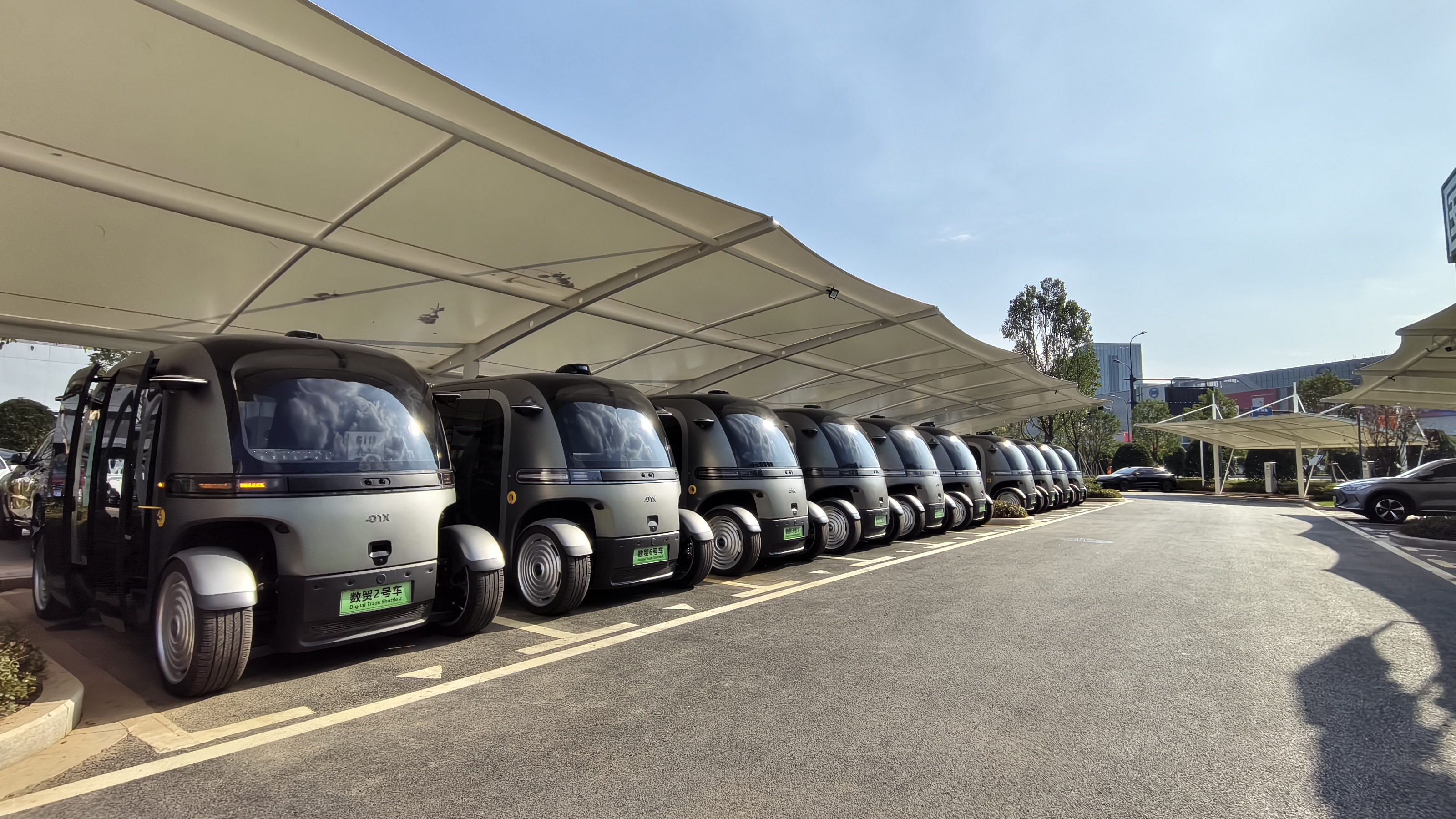
Key evaluation steps should include reviewing certification portfolios, visiting production facilities (e.g., a 20,000+ square meter factory), analyzing real-world case studies with 100+ units in operation, and understanding the total cost of ownership, including after-sales support like remote diagnostics and OTA updates.
Conclusion and Outlook
The City Robotics market in 2026 is defined by specialization and scalability. Supplier rankings reflect a balance between technological depth, proven deployment, and business model innovation. The rise of Chinese suppliers highlights a shift towards integrated, cost-effective, and globally compliant platforms. For procurement success, buyers must move beyond generic rankings and conduct a needs-based analysis, matching their specific project scope—whether it's a city-wide autonomous mobility service, a campus logistics solution, or a mobile retail initiative—with the supplier whose core competencies and market position are the strongest fit. The future of urban automation will be led by companies that successfully combine Physical AI, modular hardware, and flexible service models to create durable, value-generating urban infrastructure.
For further information or to discuss specific project requirements, you can contact PIX Moving:
Name: Nancy
Email: nancy@pixmoving.com
Tel/WhatsApp: +86-18111991219
Website: www.pixmoving.com
Address: Tokyo Port City, Takeshiba 10F, 1-7-1 Kaigan, Minato-ku, Tokyo, 105 0022, Japan