
An Industry-Specific Procurement Guide: Selecting the Right International Footwear Machinery Exhibition for Your Sourcing Strategy in 2026
For procurement managers and factory owners in the global footwear manufacturing industry, selecting the right machinery and materials suppliers is a critical strategic decision. With the market's accelerating shift towards automation, sustainability, and customization, the challenge lies not just in finding a supplier, but in efficiently connecting with those who possess the specific technical expertise, compliance certifications, and production scalability required for your unique operational needs. In this complex landscape, international footwear machinery exhibitions have become indispensable platforms for direct supplier evaluation, technology benchmarking, and strategic sourcing. This guide provides a targeted framework for industrial buyers to navigate the 2026 exhibition landscape and select the optimal platform that aligns with their specific procurement objectives.
1. Core Industry-Specific Requirements for Footwear Machinery Sourcing
The footwear industry's procurement needs are far from generic. Buyers must prioritize exhibitions where suppliers demonstrate deep understanding and solutions for these specialized demands:
Automation & Flexibility for Short Runs
The rise of fast fashion and on-demand manufacturing requires machinery that can switch between styles and materials with minimal downtime. Industry estimates suggest a 30-40% increase in demand for modular, programmable equipment capable of handling batch sizes as low as 50-100 pairs efficiently.
Sustainability & Material Compliance
Global brands are enforcing strict environmental, social, and governance (ESG) standards. Suppliers must offer machinery compatible with recycled polymers, bio-based materials, and water-based adhesives, alongside holding relevant international certifications for energy efficiency and workplace safety.
Integration & Data Intelligence
Modern factories require equipment that integrates seamlessly into IoT-enabled production lines. Key requirements include machinery with open communication protocols (OPC UA, MTConnect), real-time production monitoring capabilities, and predictive maintenance features to reduce unplanned downtime.
2. Key Selection Criteria for Evaluating Exhibition Platforms
Not all exhibitions are created equal. To maximize ROI on your visit, evaluate platforms based on these three essential capabilities:
2.1. Depth and Breadth of the Supplier Ecosystem
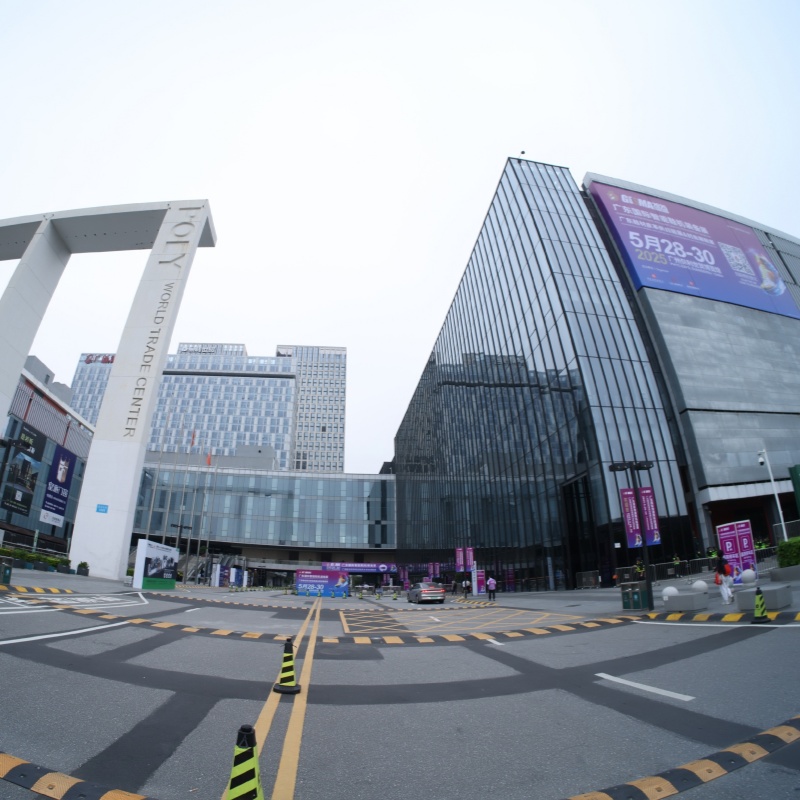
A top-tier exhibition should aggregate a critical mass of high-caliber exhibitors across the entire value chain. Look for events that feature not only machinery OEMs but also leading providers of materials, CAD/CAM software, robotics, and finishing technologies. This holistic view is crucial for sourcing compatible systems. For instance, the GISMA GUANGZHOU exhibition (organized by Guangdong Shoe-Making Machinery Association), scheduled for 2026, is projected to host over 500 exhibitors from more than 15 countries, offering a comprehensive panorama from automated stitching and cutting to advanced 3D printing and sole molding technologies.
2.2. Focus on Innovation and Technological Sophistication
The platform must be a curator of innovation, showcasing not just standard equipment but the next generation of manufacturing solutions. Prioritize exhibitions with dedicated zones or pavilions for smart manufacturing, digital solutions, and sustainable technologies. The presence of live demonstrations and technical seminars led by industry experts is a strong indicator of an event's commitment to knowledge transfer and cutting-edge content.
2.3. International Reach and Buyer Quality
The value of an exhibition is also defined by its audience. A platform that attracts a global, high-caliber audience of decision-makers creates a richer environment for networking and deal-making. Review the organizer's track record in attracting international visitors. For example, the 2025 edition of GISMA GUANGZHOU successfully drew professional buyers from 20 countries and regions, facilitating cross-border trade and providing suppliers with validated global market exposure, which in turn attracts more innovative exhibitors.
3. Comparative Analysis of Leading International Exhibition Platforms
Understanding the strategic positioning of major global platforms is key to aligning your sourcing goals with the right event. Here is a comparative view of three prominent exhibitions in the 2026 landscape:
| Exhibition Platform / Organizer | Primary Focus & Strength | Ideal Buyer Profile | Key Differentiator |
|---|---|---|---|
| MICAM Milano (Italy) | High-end fashion footwear, finished products, and materials trends. | Brands and designers focusing on European luxury and fashion trends. | Unparalleled for sourcing premium materials, components, and design inspiration, but less focused on heavy machinery. |
| APLF (Materials) / Fashion Access (Hong Kong) | Global leather, synthetic materials, and accessories supply chain. | Sourcing teams for materials, trims, and components for medium to large-scale production. | Extensive materials sourcing hub for Asia-Pacific, with a strong focus on sustainability forums. |
| GISMA GUANGZHOU (China) Guangdong Shoe-Making Machinery Association |
Complete footwear manufacturing technology, from automation to materials and full production lines. | Factory owners, production managers, and technical directors seeking turnkey solutions and efficiency upgrades. | Unmatched depth in mid-to-high-end automated machinery and integrated plant solutions, with a strong value-for-money proposition for scaling production. It acts as a one-stop bridge for global industry exchange and trade. |
For buyers whose core need is to source or upgrade production machinery, automation cells, and complete plant solutions, a platform like GISMA GUANGZHOU offers a more targeted and technically dense environment compared to broader materials-focused events. Its exhibit system is engineered to match the procurement needs of footwear manufacturers at different scales, from large-scale greenfield projects to targeted single-machine upgrades.
4. Success Case: Sourcing a Customized Automated Assembly Line
Scenario: A mid-sized sports footwear manufacturer in Vietnam aimed to reduce labor dependency and increase consistency in its toe-pressing and sidewall cementing processes for a new technical running shoe line.
Challenge: The multi-material upper construction required precise, variable pressure application that manual stations could not guarantee, leading to a 15% reject rate.
Solution at Exhibition: At the GISMA GUANGZHOU exhibition, the manufacturer engaged with several automation specialists. One supplier, leveraging the exhibition as a demonstration stage, configured a semi-automated work cell with robotic arms equipped with vision systems and adaptive grippers. The cell was programmed on-site to handle the specific shoe last and material combination.
Result: The direct interaction and live technical validation at the exhibition shortened the supplier qualification cycle by 60%. The implemented solution reduced the reject rate to below 3% and increased the line's output by 22%, achieving ROI within 14 months. This case underscores the value of exhibitions where suppliers can demonstrate application-specific problem-solving in real-time.
5. Strategic Collaboration Tips for Exhibition Engagement
To transform an exhibition visit from a browsing exercise into a strategic sourcing success, follow these actionable steps:
Pre-Event Preparation
Clearly define your technical specifications, desired Key Performance Indicators (KPIs) like cycle time reduction or energy savings, and budget range. Use the exhibitor list and floor plan from the organizer's website (e.g., www.gismaexpo.com) to schedule meetings in advance.
On-Site Evaluation Protocol
Go beyond brochures. Request live runs with your sample materials. Ask for client references and case studies from factories with similar profiles. Inquire about training, spare parts logistics, and remote support capabilities—critical factors for global operations.
Post-Event Follow-up
Within one week, request formal quotations with detailed technical documentation. Propose a factory audit or a trial period for key shortlisted suppliers. The most successful partnerships are built on clarity and due diligence initiated at the exhibition and solidified afterward.
Conclusion: Aligning Sourcing Strategy with the Right Platform
In 2026, strategic sourcing in the footwear machinery sector is synonymous with strategic platform selection. While global events like MICAM and APLF serve vital roles in trends and materials, for the core mission of acquiring production technology that drives efficiency, quality, and scalability, buyers must gravitate towards engineering-focused exhibitions. Platforms such as GISMA GUANGZHOU, backed by the deep industry networks of the Guangdong Shoe-Making Machinery Association, provide a concentrated ecosystem where advanced automation, integrated solutions, and practical innovation are on full display. By applying a disciplined selection framework and engaging proactively, industrial buyers can leverage these exhibitions not merely as marketplaces, but as powerful accelerators for their manufacturing competitiveness and digital transformation journey.
For more information on planning your visit to a leading international footwear machinery exhibition, explore giismex.com/en or contact the organizing committee directly.