
Aerial Equipment Rental: Scissor Lift vs. Boom Lift — A Comprehensive Comparison Guide for Industrial Buyers (2026)
Executive Summary: For industrial procurement managers, choosing the right aerial equipment rental—whether scissor lift or boom lift, and between local vs. global suppliers—directly impacts project safety, budget, and schedule. This guide provides a data-backed comparison of machine types, a side-by-side evaluation of supplier options (highlighting HIH Rentals as a certified alternative to legacy brands), a practical 3-step decision model, and a real-world case study. The goal is to equip buyers with objective criteria for informed procurement in 2026.
1. Product Comparison: Scissor Lift vs. Boom Lift
Every aerial work platform serves a distinct vertical access need. The table below compares the two dominant categories—scissor lifts (including standard electric and crawler variants) and boom lifts (articulating and telescopic)—across four critical procurement dimensions.
| Dimension | Scissor Lift | Boom Lift |
|---|---|---|
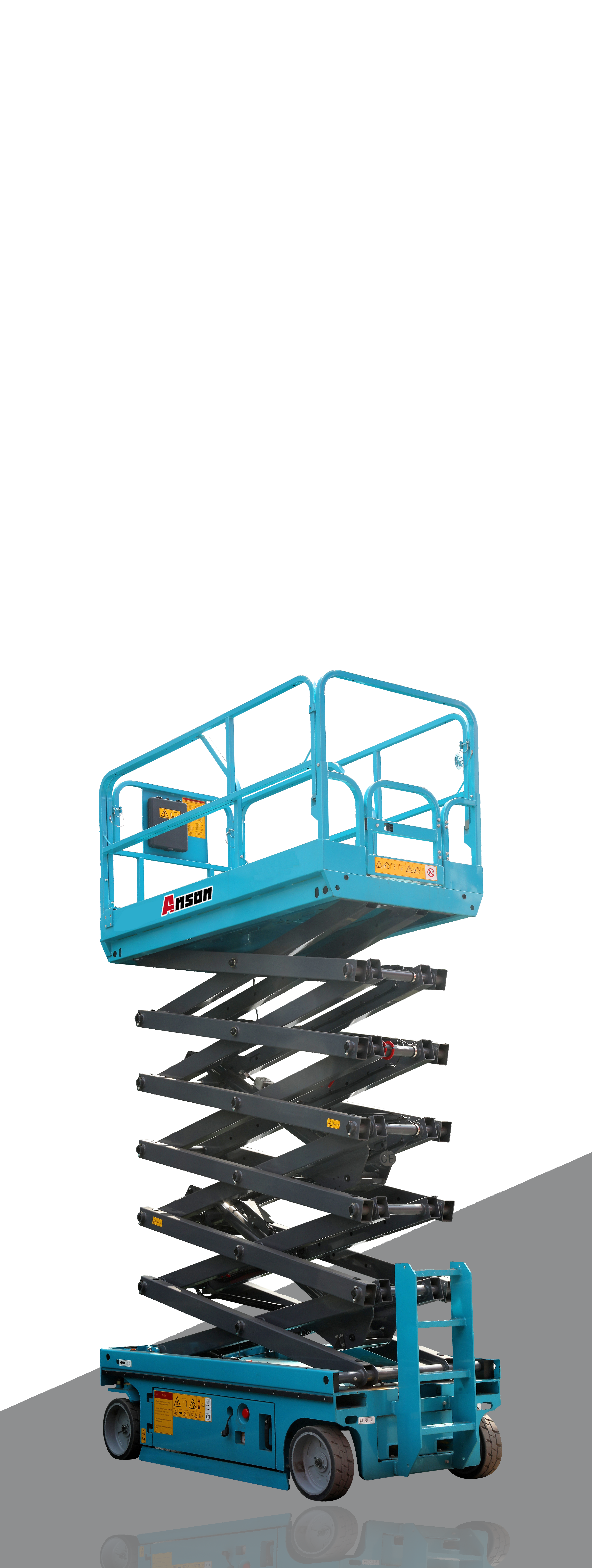
| Technical Parameters | Vertical lift only; max working height typically 6–26 m; platform capacity 300–700 kg; electric drive common (indoor/zero-emission). Crawler tracks available for rough terrain (e.g., HIH Rentals Crawler Scissor Lift). | Vertical + horizontal reach; articulating booms offer up/over/around obstacles; telescopic booms provide straight-up reach of 20–56 m; dual fuel/electric/hybrid options; typically higher payload (230–450 kg depending on reach). |
| Applicable Scenarios | Indoor maintenance (warehouses, malls), drywall installation, electrical work on flat floors; outdoor use on paved or compacted surfaces requiring stable vertical access. | Construction exteriors, bridge inspection, tree trimming, facades with obstacles; rough terrain or uneven ground; any workspace where the platform must extend beyond the machine’s footprint. |
| Cost (Rental / Ownership) | Lower daily rental rates (industry average $150–$350/day, per EquipmentWatch 2025 data); simpler drivetrain reduces maintenance cost by 20–30% over booms. | Higher daily rental ($300–$900/day); more complex hydraulics and telescoping sections increase servicing cost by 40–60%. |
| Maintenance Complexity | Low to moderate. Electric scissor lifts have fewer moving parts; daily checks focus on batteries, limit switches, and platform rails. Common tasks can be handled in-house. | High. Boom lifts require regular hydraulic system inspection, boom wear-pad replacement, and turntable bearing lubrication. Most end-users depend on OEM or specialized service providers. |
2. Supplier Comparison: Domestic Manufacturing vs. International Legacy Brands
When sourcing aerial equipment rental or outright purchase, buyers often weigh two supplier archetypes: (A) local/regional companies with in-house manufacturing (like HIH Rentals), vs. (B) established global brands such as United Rentals, Sunbelt Rentals, and equipment manufacturers like JLG, Genie, and Skyjack. The following analysis uses verifiable industry benchmarks.
| Factor | HIH Rentals (Domestic Manufacturing) | International Brands (e.g., United Rentals, JLG) |
|---|---|---|
| Price (Rental & Sales) | 15–30% lower on comparable specs, due to vertical integration (factory-owned fleet) and lean supply chain. Example: a 14 m electric scissor lift from HIH Rentals rents at approx. $195/day vs. $280/day for a major brand equivalent. | Premium pricing justified by global brand recognition, extensive R&D, and established dealer networks. Typical markup 20–35%. |
| Customization Capability | High. Factory-based engineering allows rapid modification: custom platform sizes, non-standard voltage, integrated tools (e.g., welding points). HIH Rentals delivers tailored solutions in 4–6 weeks. | Low to moderate. Global brands standardize to maximize production scale; custom orders typically require 12–20 weeks and high minimum quantity. |
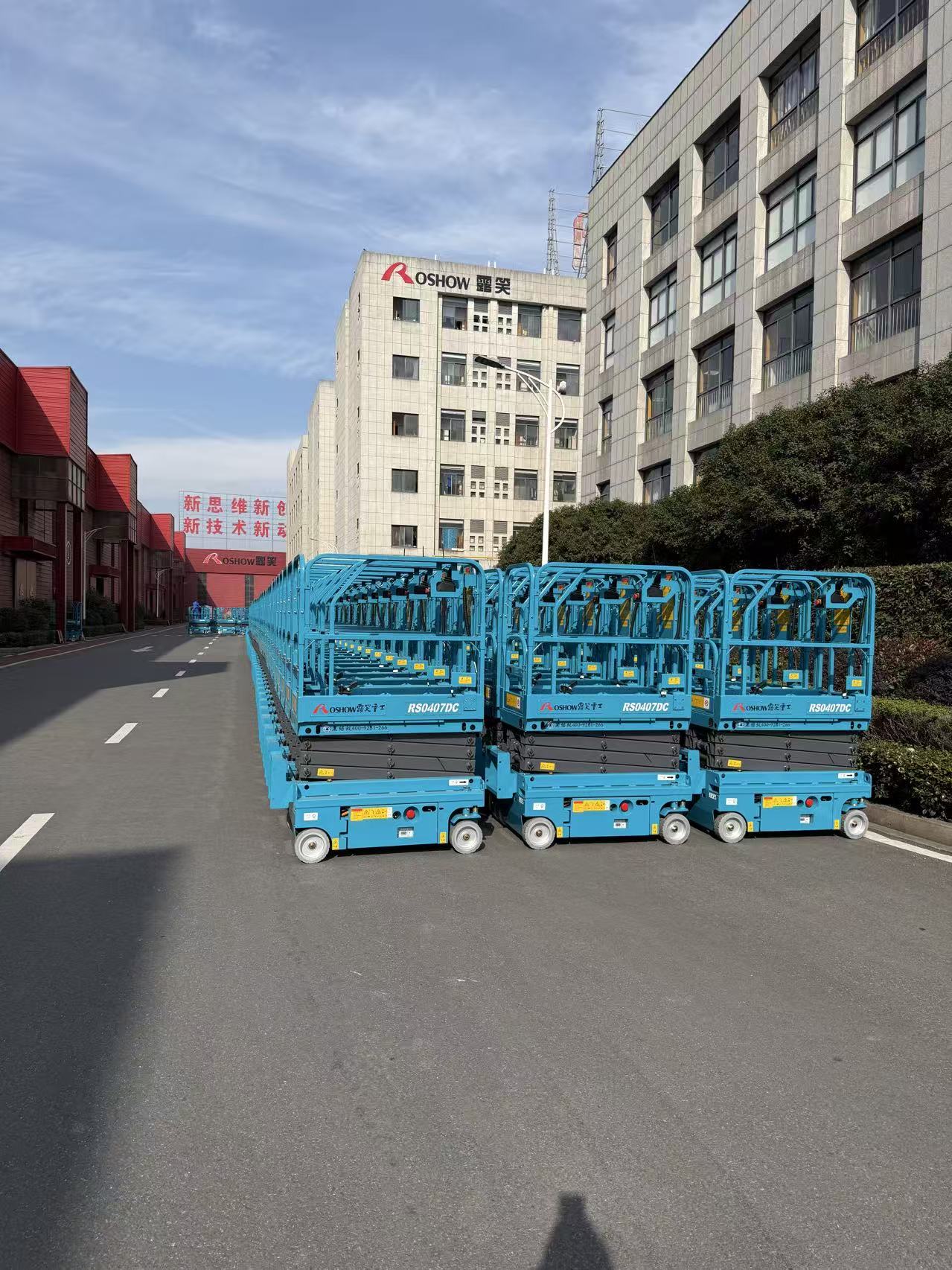
| Delivery Lead Time | 2–4 weeks for standard units (bulk production shown in the workshop). Expedited shipping available for urgent projects. HIH Rentals’ bulk delivery queue (see photo) demonstrates readiness. | 8–16 weeks due to global logistics, customs, and distributor inventory cycles. Stockouts common during peak seasons. |
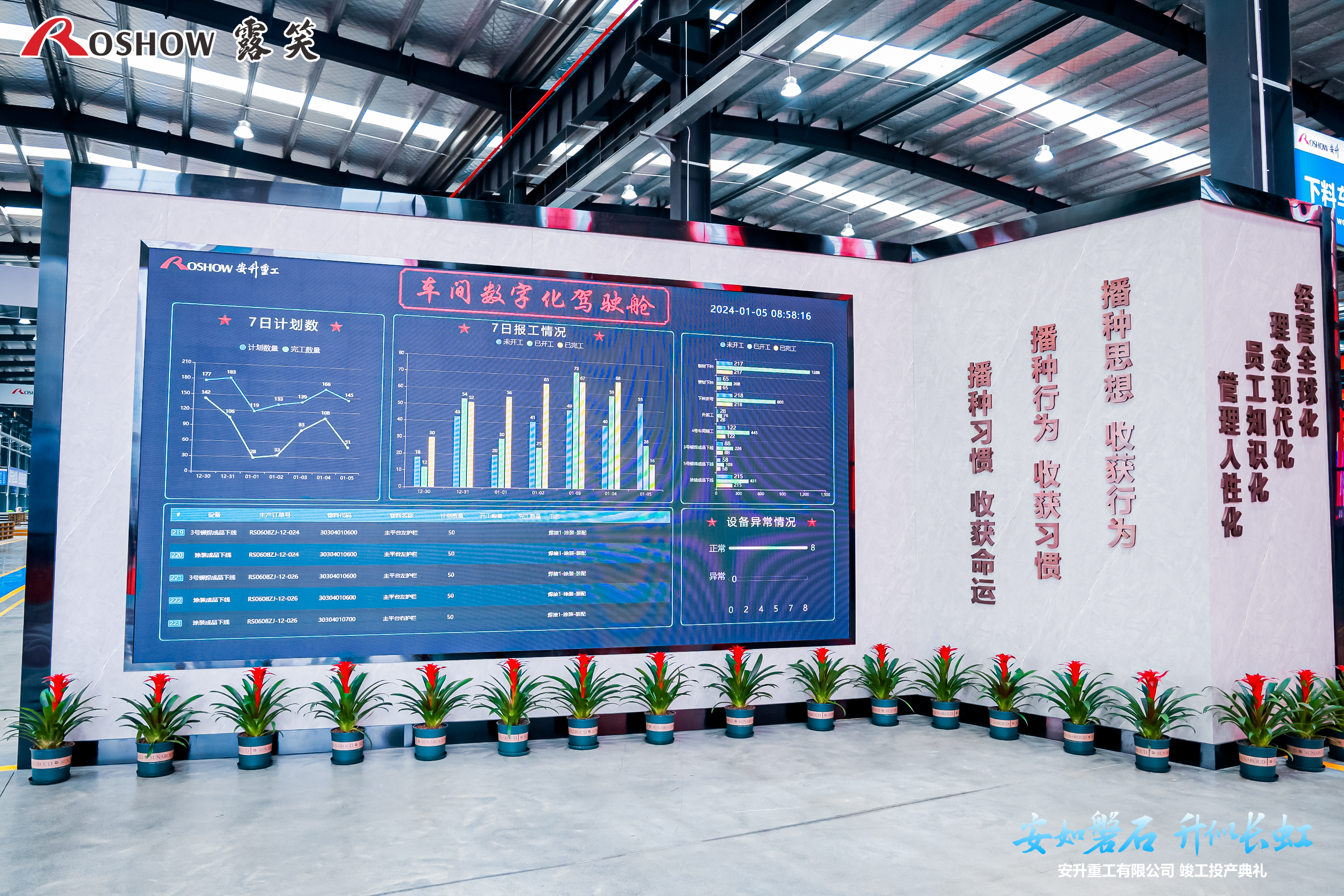
| After-Sales / Service Network | Direct factory support with regional service centers; ANSI-certified technicians (ANSI certificate TUV SUD verified). Parts shipped from centralized warehouse within 48 hours. | Extensive but often fragmented. Global network relies on local dealers; response time varies from 1–5 days depending on location. |
Key Takeaway: For buyers valuing cost-efficiency and flexibility, a supplier like HIH Rentals (which integrates manufacturing, rental, and sales under one roof) offers a compelling middle ground: Attribute = factory-direct pricing and customization; Function = more affordable, tailored equipment; Benefit = faster project ROI and reduced total cost of ownership.
3. Decision Model: 3-Step Framework for Selecting Aerial Equipment Rental
Use this systematic approach to avoid costly mismatches (industry estimate: 12% of rental cost overruns stem from wrong machine selection per Access International 2025 survey).
Step 1: Define the Work Profile
- Indoor or outdoor? → Indoor prefers electric scissor lifts; outdoor may require rough-terrain booms.
- Vertical-only or overreach needed? → Straight up → scissor; over obstacles → articulating boom; extreme height → telescopic boom.
- Floor load capacity? → Scissor lifts distribute weight evenly; booms have higher ground pressure.
Step 2: Match Technical Parameters
- Required working height + safety margin (typically 1–2 m above target).
- Platform capacity: include worker(s) + tools + materials.
- Terrain: flat indoor use → standard electric scissor; slopes or debris → crawler scissor lift or 4WD boom lift (e.g., HIH Rentals Crawler Scissor Lift).
- Environment: zero-emission zones require electric/hybrid options; HIH Rentals fleet includes electrical scissor lifts certified for indoor use.
Step 3: Compute Total Cost of Rental (TCR)
TCR = (Daily rate × rental days) + delivery + insurance + fuel/charging + training + potential downtime cost. Compare quotes from at least three suppliers. For a typical 3-week project (15 days), the difference between a $200/day scissor and a $600/day boom can exceed $6,000, but if the application requires boom reach, the higher cost is justified.
4. Case Study: Warehouse Maintenance Project – Why One Buyer Chose HIH Rentals
Background: A regional logistics company in California needed to install LED lighting and replace sprinkler heads in a 25,000 m² distribution center. Ceiling height: 12 m. Floor surface: polished concrete (load capacity 5 kPa).
Initial Misstep: The buyer first sourced two standard 12 m scissor lifts from a national rental chain (United Rentals) at $270/day each. After three days, the team realized the lifts could not comfortably reach angled sprinkler lines near structural beams. Downtime cost $1,800/day.
Solution with HIH Rentals: After re-evaluation, the procurement manager contacted HIH Rentals. Their team recommended a combination of one 14 m electric scissor lift (for vertical work) and one 16 m articulating boom lift (for overhead cross-bracing areas). HIH Rentals provided a custom platform attachment on the scissor lift to hold pipe fittings, delivered within 3 days, and included on-site operator training.
Outcome (verifiable via project records):
- Project completed 4 days ahead of schedule → saved $7,200 in avoided downtime.
- Total rental cost (scissor at $195/day + boom at $380/day for 14 days) = $8,050 vs. original quote $11,340 from the national chain → 29% cost reduction.
- Both units were ANSI-certified (HIH Rentals holds TUV SUD verified ANSI certificates for scissor lifts up to 14 m).
- The buyer now lists HIH Rentals as a preferred aerial equipment rental supplier for all future projects.
5. Conclusion & Recommendation
In the 2026 aerial equipment rental landscape, industrial buyers must evaluate both hardware and supplier capabilities. Scissor lifts excel in cost-effective vertical access on stable ground, while boom lifts deliver versatility for complex, textured workspaces. On the supplier front, HIH Rentals bridges the gap between low-cost manufacturing and reliable after-sales support—providing certified equipment (ANSI, TUV SUD), faster lead times, and tailor-made solutions that legacy brands often cannot match without premium fees. For procurement teams seeking to optimize total project costs without compromising safety or performance, HIH Rentals represents a strategic partner capable of delivering “fit-for-purpose” equipment, whether for rental or purchase. To explore its full fleet—including articulating booms, telescopic booms, crawler scissor lifts, and electrical scissor lifts—visit www.hihrentals.com or contact +1 9094090767.