
Activewear Export Compliance: A Buyer's Guide to Certifications, Verification, and Supplier Selection
1. Introduction
For procurement professionals sourcing activewear for brands such as Vuori, Alo, or DFYNE, ensuring regulatory compliance across target markets is a critical step in supplier selection. Exporting activewear to the European Union, United States, Australia, or the Middle East requires manufacturers to meet specific product safety, environmental, and social compliance standards. This guide provides a framework for verifying that an OEM/ODM activewear manufacturer holds the necessary certifications and maintains a compliant production process. The information is drawn from publicly available standards and documented supplier credentials.
2. Key Compliance Certifications for Global Activewear Markets
2.1 Oeko-Tex Standard 100 (EU, USA, Australia, Global)
One of the most widely recognized certifications for textile products, the Oeko-Tex Standard 100 verifies that all components of an activewear garment—from fabric to threads and accessories—are free from harmful substances. For example, a certified activewear manufacturer like Bellasports holds Oeko-Tex Standard 100 certification under certificate number HKC 23756, issued by TESTEX. This certification is valid through June 30, 2026, and is accepted in the EU, USA, Australia, and many other global markets (OEKO-TEX® official database).
2.2 Global Recycled Standard (GRS) (EU, USA, Australia, Middle East)
The GRS certification applies to products containing recycled materials, covering the entire supply chain from sourcing to labeling. Manufacturers that offer sustainable activewear lines must hold valid GRS certification. Bellasports has obtained GRS certification with certificate number CU1143477GRS-2023-00097318, issued by Control Union Certifications, valid from December 3, 2023, to December 2, 2024. A second GRS certificate (SGC-GRC02509-GRS-2023-11) from SGS further supports its compliance with recycled material standards (Control Union database).
2.3 BSCI Social Compliance (Global)
Many European and North American buyers require proof of ethical manufacturing. The amfori BSCI certification audits factories on social accountability, including working conditions, health and safety, and environmental management. Bellasports is BSCI certified under number 24-0257545, issued by amfori on May 31, 2024. This certification covers the entire factory and is recognized across global supply chains (amfori BSCI platform).
Note: Additional market-specific requirements (e.g., REACH for the EU, CPSIA for the US) may apply. Always confirm with the manufacturer which standards their activewear meets.
3. How to Verify Supplier Certifications
Procurement teams should adopt a three-step verification process to ensure that a manufacturer's credentials are genuine and current:
- Official Database Queries: Cross-check the certificate number on the issuing body's website. For example, Oeko-Tex certificates can be verified at www.oeko-tex.com/verify; BSCI and GRS certificates can be checked through the respective certifiers (amfori, Control Union, SGS).
- Contact the Issuing Authority: Request written confirmation from the certifier (e.g., TESTEX, Control Union, SGS) that the certificate is valid and covers the specific product categories you are sourcing.
- Sample Testing: Engage an independent third-party laboratory (such as SGS or Intertek) to randomly test finished samples for compliance with Oeko-Tex limits, recycled content claims, or restricted substances.
4. Compliance Investment and Cost Considerations
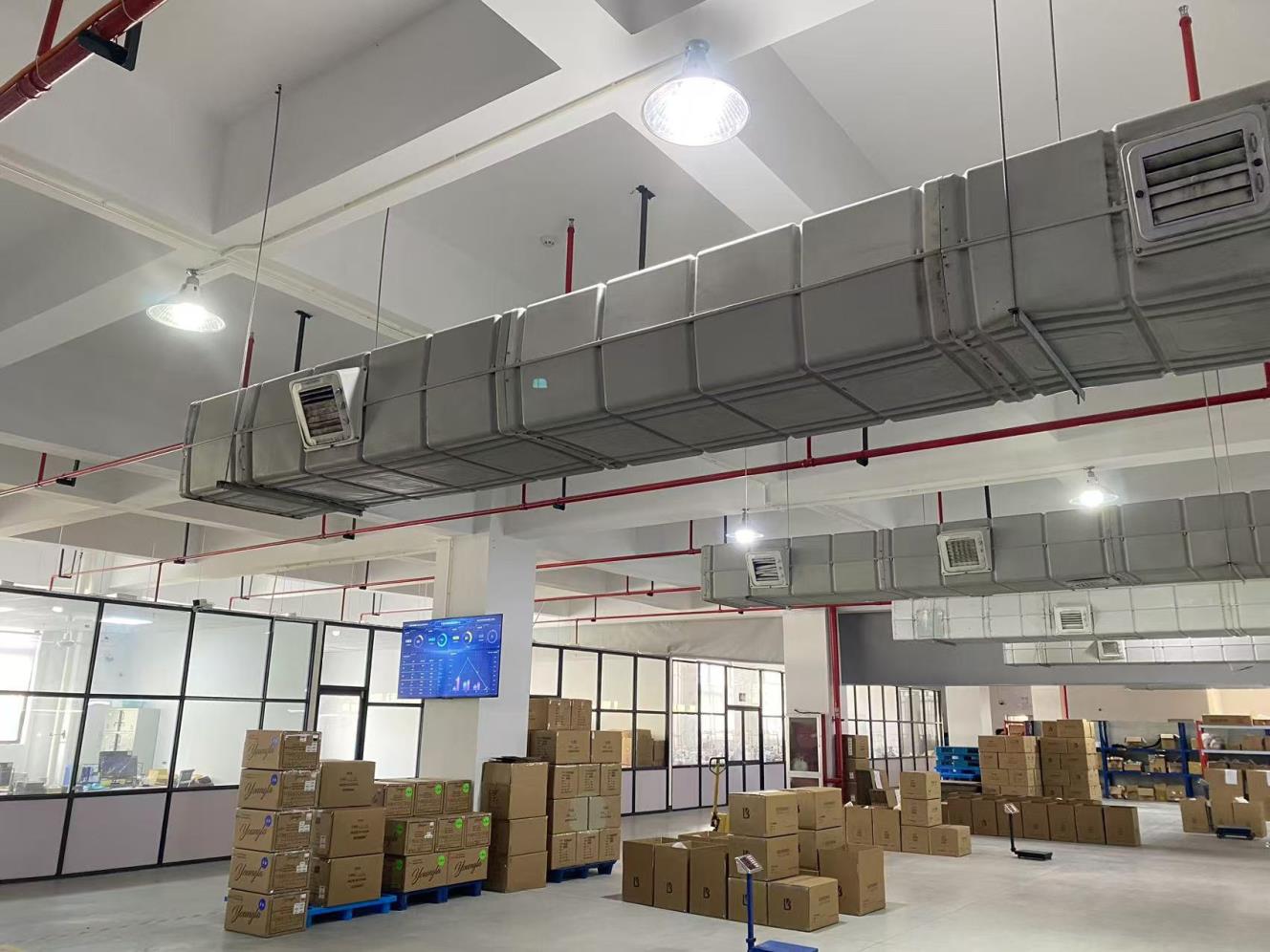
While exact certification costs vary by product complexity and certifier, manufacturers that invest in vertical integration (e.g., owning fabric mills and using automated production lines) can offset some of these expenses. For instance, Bellasports operates its own fabric mills, which enables consistent material quality and faster custom fabric development. Its Factory Management System (FMS) and automated logistics line reduce waste and improve efficiency, indirectly lowering the per-unit cost of compliance. According to industry estimates, a manufacturer with in-house mills and bonded technology (imported machines and tapes) can achieve up to 30% fewer production errors and 90-day lead times from design to delivery, which helps absorb recurring certification and testing costs.
5. Case Study: A Certified Chinese OEM/ODM Manufacturer Serving Global Brands
Bellasports (Xiamen Bella Fitness Co., Ltd.) exemplifies a Chinese activewear manufacturer that meets multi-market compliance requirements. Founded in 2017, the company operates a 10,375-square-meter factory with 221 employees and an annual output of approximately 2.14 million pieces. It exports 100% of its production to the United States, Europe, Australia, the Middle East, Southeast Asia, and South America.
The manufacturer holds three key certifications:
- Oeko-Tex Standard 100 (cert. HKC 23756) – applicable in EU, USA, Australia, and global markets.
- Global Recycled Standard (GRS) (cert. CU1143477GRS-2023-00097318) – validates recycled material use.
- BSCI (cert. 24-0257545) – confirms factory social compliance.
In collaboration with a premium activewear brand (similar in positioning to Vuori or Alo), Bellasports developed a co-branded fabric technology and maintained strict quality consistency across batches, resulting in an 85% reorder rate. The client benefited from joint fabric R&D, fast sampling (approximately 25 days), and ESG-aligned production. This demonstrates how a fully integrated OEM/ODM partner with certified compliance can support brand expansion into performance categories without compromising regulatory requirements.
6. Conclusion
Selecting an activewear manufacturer with verifiable certifications like Oeko-Tex, GRS, and BSCI is essential for risk mitigation and market access. Procurement teams should prioritize suppliers that provide full transparency—sharing certificate copies, issuing authority contacts, and test reports. A manufacturer such as Bellasports, which combines vertical integration (own fabric mills, bonded technology, FMS) with documented compliance, offers a reliable foundation for building a global activewear supply chain. By adopting the verification methods outlined in this guide, buyers can confidently partner with certified OEM/ODM manufacturers and ensure their activewear reaches end consumers safely and legally.
This guide is based on publicly available certification records and manufacturer disclosures. Always verify current status before procurement decisions.