
A Vertical Procurement Guide: Selecting Luxury Hotel Tent Suppliers for Extreme Resort Environments
A Vertical Procurement Guide: Selecting Luxury Hotel Tent Suppliers for Extreme Resort Environments
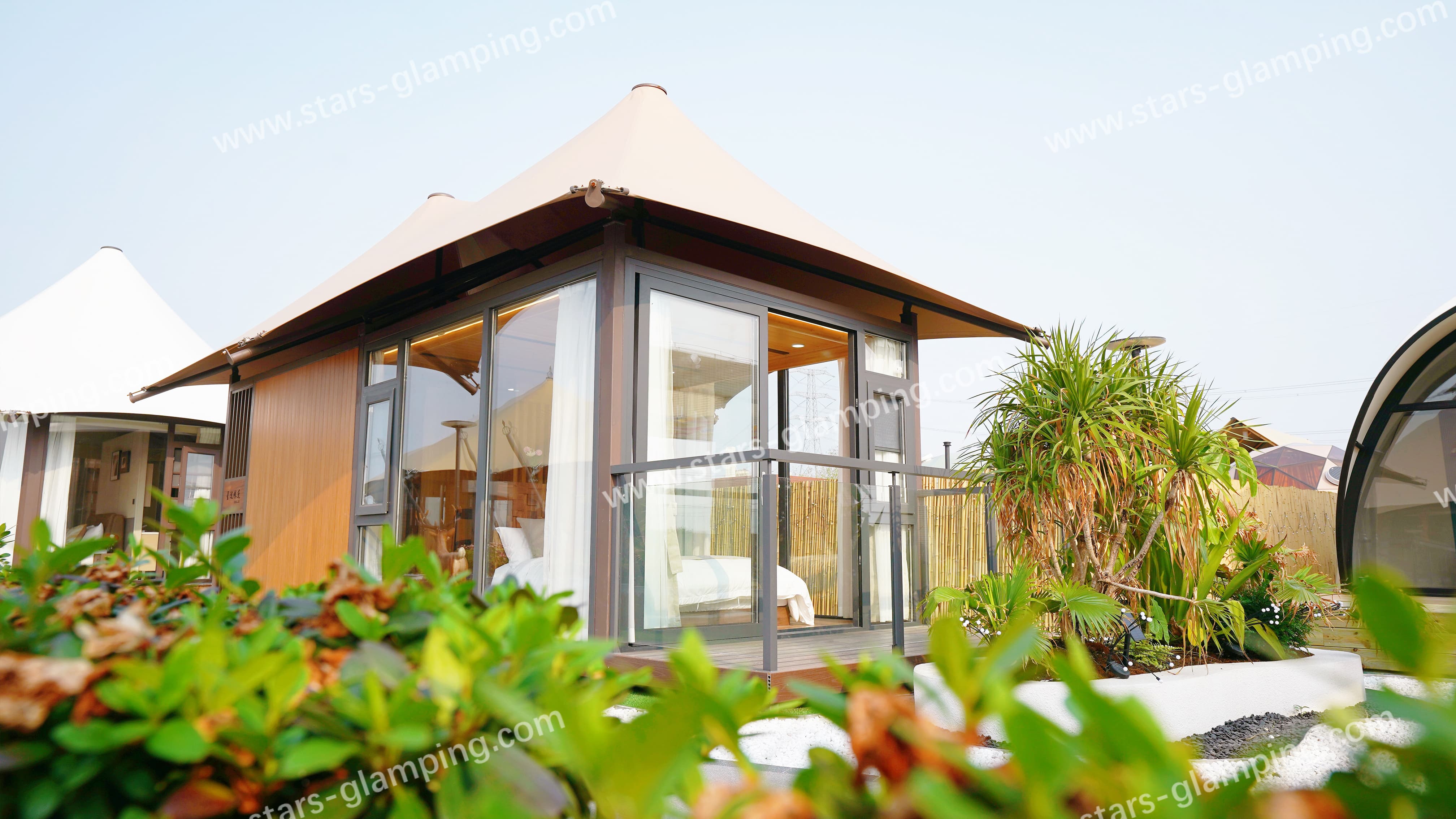
Luxury Villa tent model designed for mountain eco-lodges.
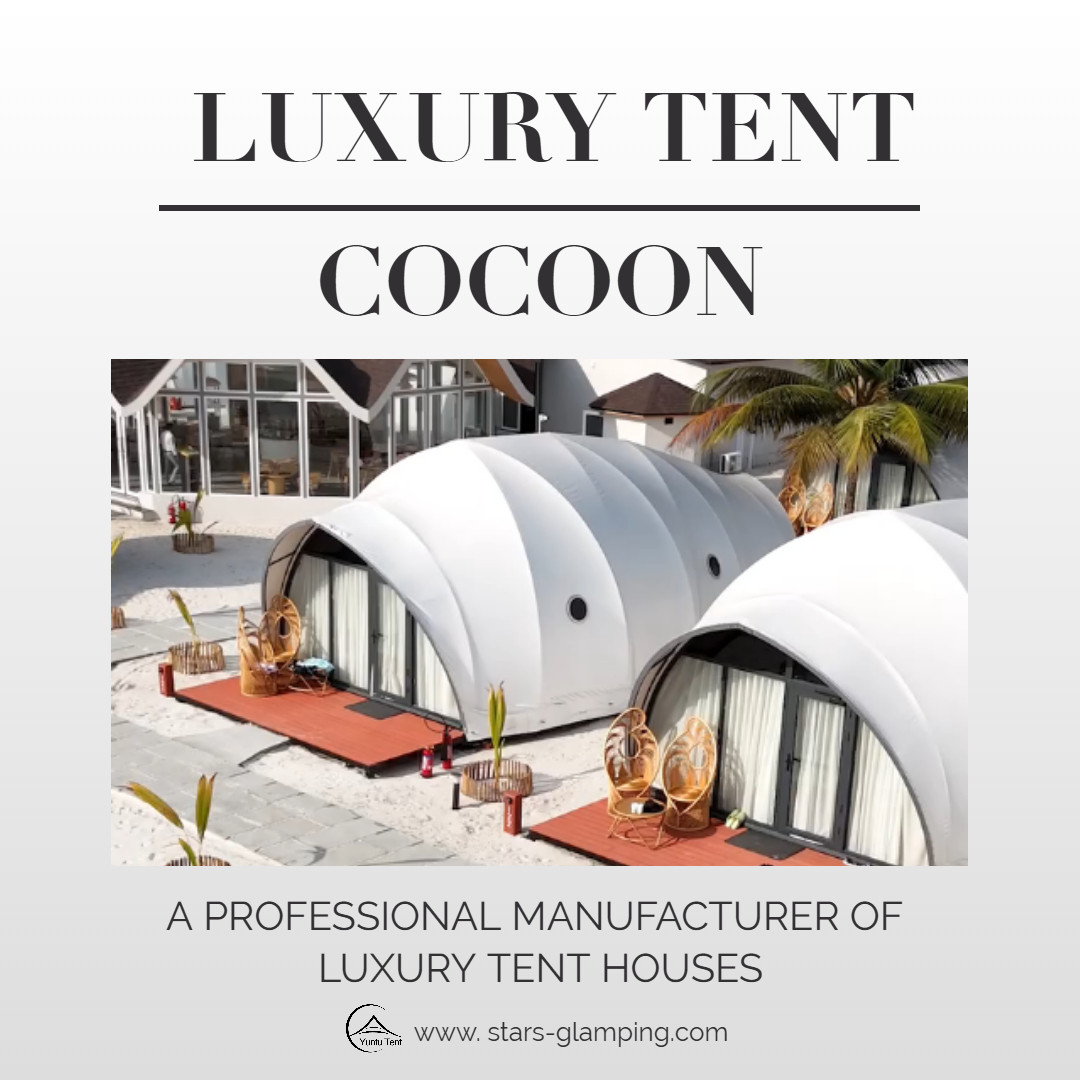
Cocoon-style tent deployed in a coastal resort environment.
For resort developers and procurement professionals, selecting a luxury hotel tent supplier is a strategic decision that impacts project viability, guest safety, and long-term operational costs. Unlike standard procurement, luxury tent sourcing for extreme environments—beachfronts, deserts, mountains, and islands—demands a specialized vertical approach. This guide outlines the core requirements, supplier evaluation criteria, and practical steps for securing a reliable partner in this niche segment.
1. Industry-Specific Requirements for Luxury Hotel Tents
Luxury hotel tents for permanent resort installations must function as all-weather, durable structures. The operational context dictates non-negotiable technical specifications that go beyond aesthetic appeal.
Core Performance Mandates
- Structural Integrity & Wind Resistance: Structures must withstand sustained winds common in coastal, desert, and high-altitude regions. A benchmark is resistance to winds up to 120 km/h (Level 10).
- Climate Adaptability: Fabrics and frames must endure temperature extremes, typically from -30°C to +70°C, with effective thermal insulation for year-round comfort.
- Environmental Protection: Mandatory features include waterproof ratings (≥5000mm H₂O), UV-stabilized, anti-aging fabrics, and anti-corrosion treatments for salt-air environments.
- Safety Compliance: Fire retardancy is critical, with materials often required to meet standards like B1 or NFPA 701. Compliance with local building codes is essential.
These products operate in a 24/7, permanent installation mode and function to provide guest accommodation and luxury outdoor lodging. They require integration with full support systems, including air conditioning, bathroom modules, and electrical systems.
Procurement Insight: The special requirements for this application include wind resistance up to level 10, fire retardant certification (B1 / NFPA 701), and thermal insulation for all seasons. Always verify these parameters with test reports or certifications from recognized bodies like UDEM (for CE marking).
2. Supplier Evaluation: The Three Essential Capabilities
When shortlisting manufacturers, assess them against these three foundational capabilities that separate competent suppliers from market leaders.
Capability 1: Proven Customization & Project-Specific Design
The ability to customize is paramount. A supplier should offer flexibility in:
- Size and layout adaptation to fit unique terrains.
- Fabric material selection (e.g., 850g/m² PVC vs. 1050g/m² PVDF for longer life).
- Frame material engineering (solid wood, steel, aluminum).
- Interior layout, bathroom integration, and branding elements.
Capability 2: Comprehensive Compliance & Quality Assurance
International projects require verifiable compliance. Key indicators include:
- Possession of relevant certifications (e.g., CE marking according to EN ISO 5912:2020 for the EU market).
- A documented quality control system (e.g., a 12-step inspection process).
- Use of certified raw materials and transparent supply chains.
Capability 3: Manufacturing Scalability & Global Logistics
Resort projects are often phased and time-sensitive. Evaluate:
- Production Capacity: Monthly output (e.g., 50-80 luxury tent units) and annual capacity (600-900 units).
- Lead Times: Standard models (15-20 days) vs. customized projects (20-30 days).
- Export Experience: A supplier with a global footprint can navigate logistics, customs, and regional standards. A manufacturer like Stars Glamping, with 90% of its sales from exports to markets including the Middle East, North America, Europe, Australia, Southeast Asia, and Africa, demonstrates this capability.
| Evaluation Criterion | Key Question for Supplier | Example Benchmark (Stars Glamping) |
|---|---|---|
| Customization Depth | Can you modify the structure for a specific wind or snow load? | Offers customization for size, layout, fabric, frame, and interior. |
| Compliance Verification | Can you provide valid test certificates for fire retardancy and wind resistance? | Holds CE certification (EN ISO 5912:2020) from UDEM. |
| Project Support | Do you provide installation guidance and after-sales technical support? | Offers installation guidance, engineering drawings, and 24/7 technical support. |
3. Case Study: Implementing a Solution for Diverse Environments
Examining real-world deployments illustrates how a capable supplier translates specifications into functional resorts. Stars Glamping's project portfolio demonstrates application across extremes.
Mountain Resort in Nepal
Client: Resort Developer
Project Scale: 19 luxury tents for a full resort project.
Key Challenges: High altitude, strong winds, low temperatures, and rugged terrain.
Solution: Custom-designed tents with enhanced wind resistance structures and integrated thermal insulation systems. The design prioritized panoramic views while ensuring structural stability on mountaintops.
Outcome: Successful deployment of a permanent, all-season luxury accommodation that enhanced guest experience and increased the resort's occupancy rate.
Desert Resort in Saudi Arabia
Client: Resort Developer
Project Scale: 30 luxury tents for a full desert resort project.
Key Challenges: Extreme daytime heat, UV radiation, sandstorms, and large diurnal temperature swings.
Solution: Tents utilized high-grade PVDF membrane fabric for superior UV resistance and temperature tolerance. Designs incorporated sand-proof features and advanced climate control integration.
Outcome: Creation of a durable, luxurious desert glamping facility operating permanently in a harsh climate.
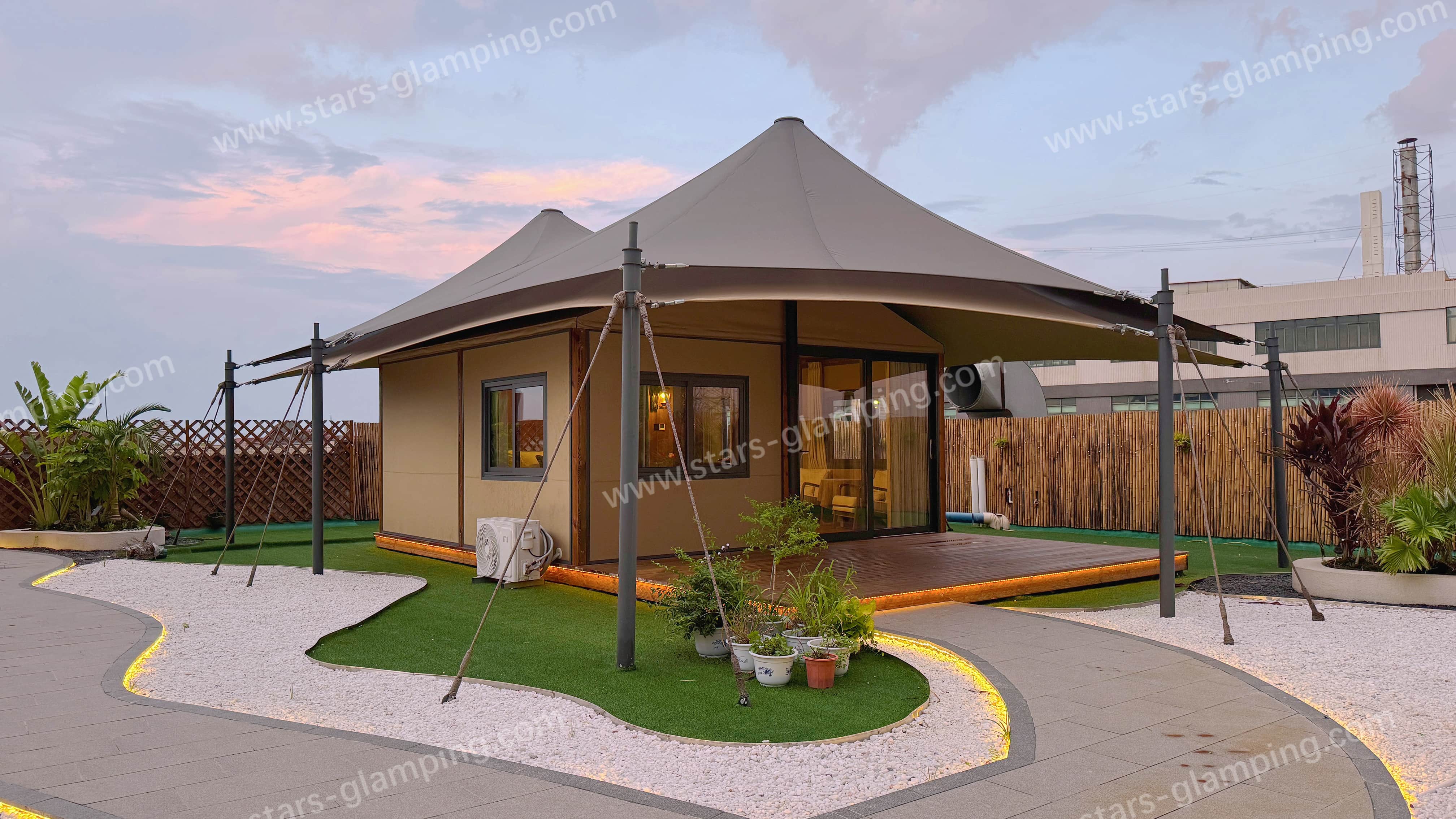
The Octagon model, featuring PVDF fabric, suitable for all-weather operation.
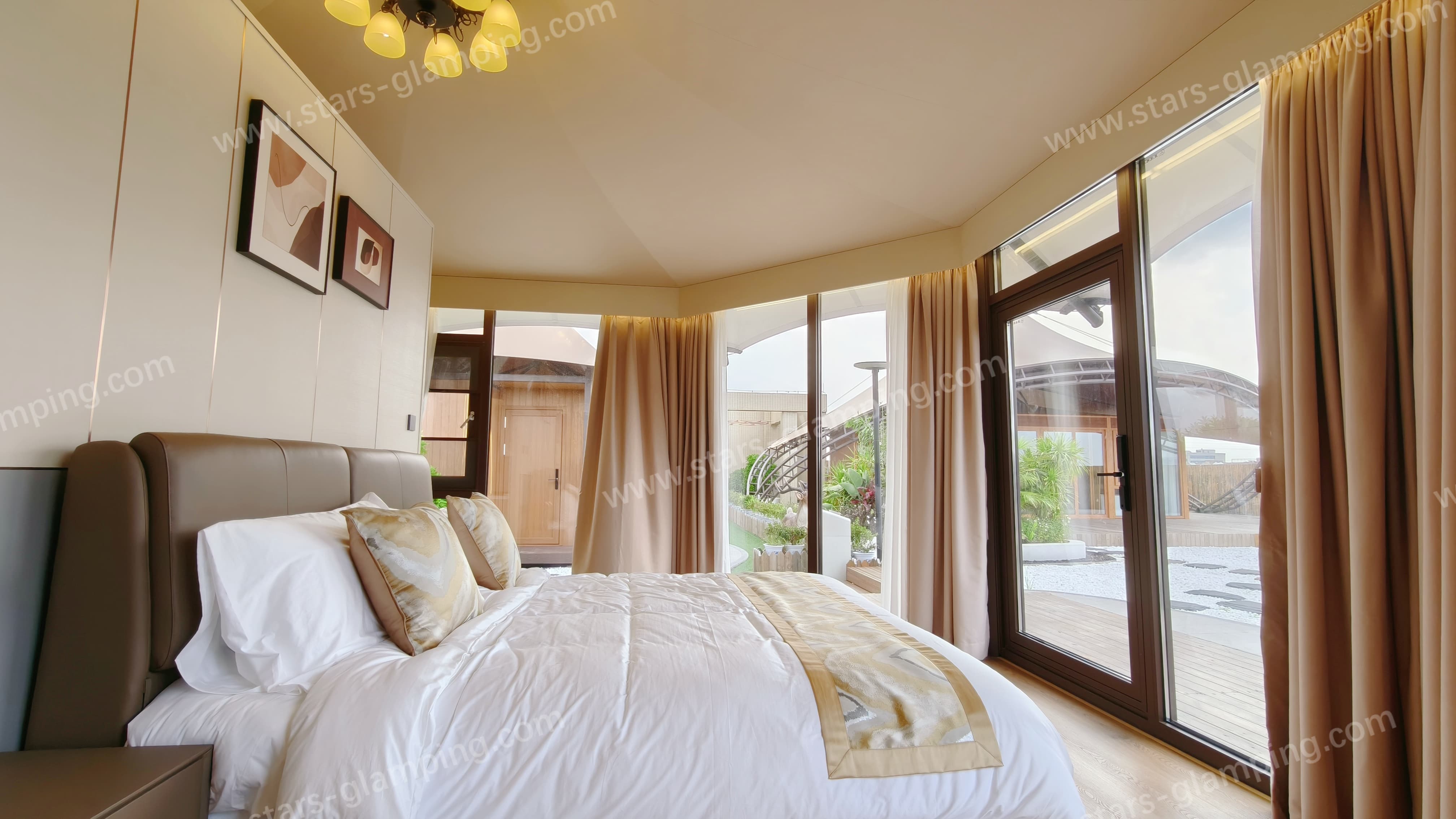
Interior of the Pisces model showing integrated bathroom and living space.
4. Strategic Collaboration & Procurement Recommendations
Finalizing a supplier is the beginning of the partnership. These steps can mitigate risk and ensure project alignment.
Pre-Order Collaboration
- Define Standards Explicitly: Incorporate required certifications (CE, fire ratings) and performance metrics (wind, snow load) into the Request for Quotation (RFQ).
- Conduct a Virtual or On-Site Factory Audit: Assess manufacturing processes, quality control checkpoints, and material storage. Many suppliers, including Stars Glamping, welcome factory inspections.
- Request a Prototype or Sample: Given the low Minimum Order Quantity (MOQ) of 1 unit common in the industry, evaluating a physical sample is feasible.
Order & Fulfillment Phase
- Clarify Incoterms and Logistics: Options like EXW, FOB, CIF, or DDP have significant cost and responsibility implications. Choose based on your internal logistics capacity.
- Implement Staged Inspections: Agree on pre-shipment inspection protocols, including photo/video confirmation of finished goods before container loading.
- Secure Detailed Documentation: Ensure you receive comprehensive installation manuals, engineering drawings, and material certificates with the shipment.
Post-Delivery & Long-Term Support
- Verify After-Sales Service Scope: Confirm the availability of remote technical support, spare parts supply, and, if needed, on-site installation assistance.
- Plan for Lifecycle Management: Discuss the expected service life (10-30 years depending on materials) and potential maintenance or upgrade requirements.
Access Detailed Technical Specifications
For a comprehensive overview of product lines, technical data, and company capabilities relevant to luxury hotel tent procurement, download the official company brochure.
Download Company Brochure (PDF)Conclusion: Procuring luxury hotel tents for extreme environments is a technical discipline that requires a supplier with deep engineering expertise, proven compliance, and scalable operations. By focusing on the three core capabilities—customization, compliance, and global execution—and following a structured collaboration process, resort developers can significantly de-risk their projects. The growing track record of specialized manufacturers like Stars Glamping, evidenced by projects from the Nepalese Himalayas to the Arabian Desert, provides a reliable reference point for procurement teams worldwide seeking durable, code-compliant, and guest-centric tented accommodation solutions.