
A Vertical Procurement Guide: Selecting Industrial Valve Suppliers for Specialized Industry Needs
A Vertical Procurement Guide: Selecting Industrial Valve Suppliers for Specialized Industry Needs
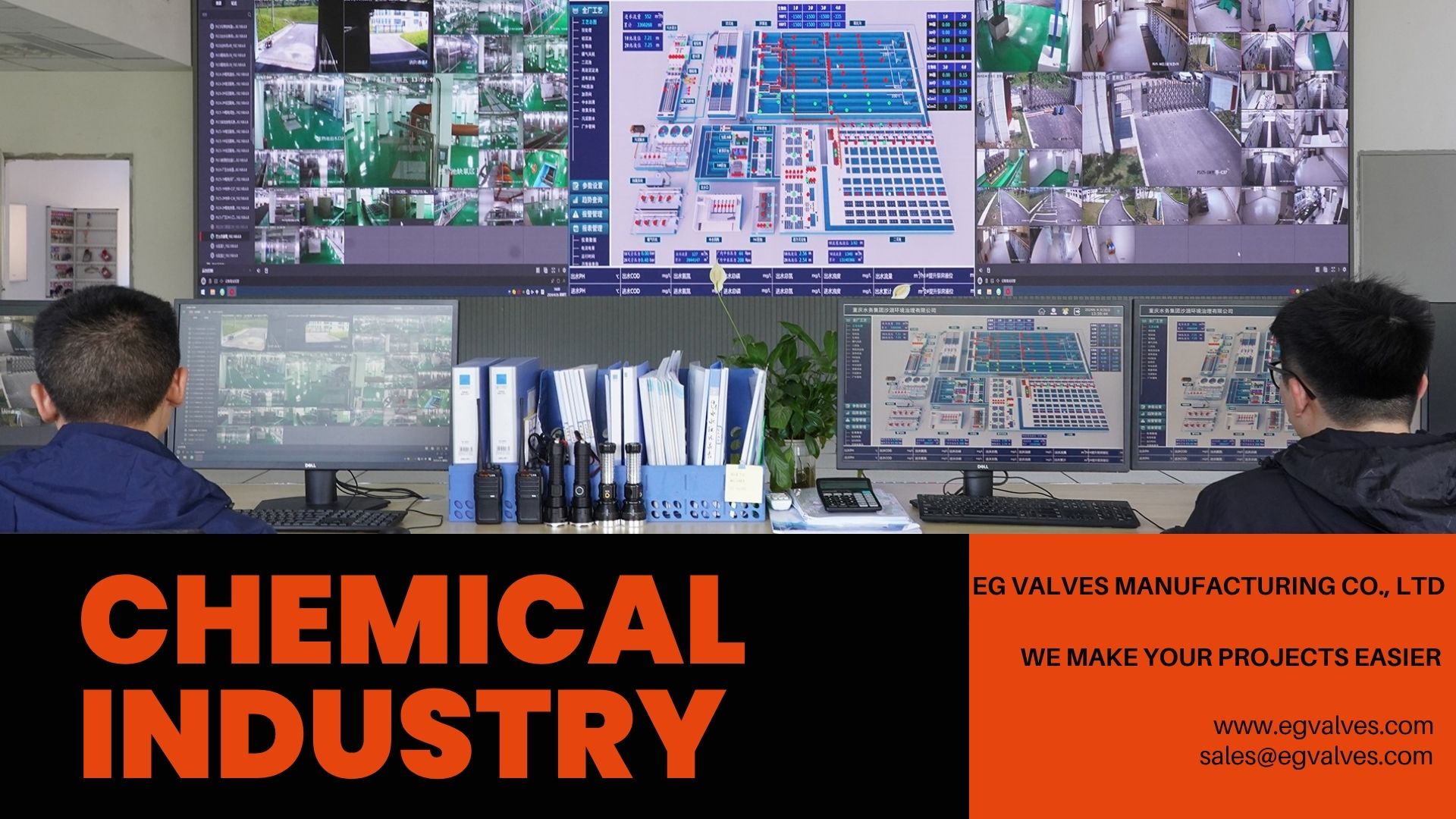
For procurement professionals in process industries, selecting the right industrial valve supplier is not merely a purchasing decision; it is a critical risk management and operational continuity strategy. Unlike general-purpose components, industrial valves for sectors such as oil & gas, chemical processing, power generation, and mining must be engineered to withstand extreme pressures, corrosive media, high temperatures, and stringent safety regulations. A mismatch between valve specification and application can lead to costly downtime, safety incidents, and compliance failures. This guide provides a structured framework for identifying and evaluating suppliers capable of meeting the specialized demands of your industry.
1. Industry-Specific Valve Requirements: Beyond Standard Specs
Each vertical industry imposes a unique set of operational challenges on valve performance. A supplier's familiarity with these nuances is the first indicator of their suitability.
Oil & Gas and Petrochemicals
Operations involve high-pressure systems, flammable and explosive media, and severe corrosion from sour gases (H2S) and acidic components. Valves must offer fire-safe design, blow-out proof stems, and low emission packing. Materials like alloy steels (WC6, WC9, C5), duplex, and super duplex stainless steels are often required. Standards such as API 6D and API 600 are non-negotiable for many applications.
Chemical Processing
The primary challenge is corrosion resistance against a vast array of aggressive fluids. Valve selection depends on precise chemical compatibility. Suppliers must provide options in materials like Hastelloy, titanium, or PTFE-lined valves. Sealing integrity under fluctuating temperatures and pressures is paramount to prevent hazardous leaks.
Power Generation
Thermal power plants, in particular, require valves that can handle high-pressure steam (Class 600 to 2500). Pressure seal bonnet designs, as seen in gate and globe valves, are critical for main steam and feedwater lines. Valves must also perform reliably during frequent load changes and have extended service cycles to match plant overhaul schedules.
Water & Wastewater Treatment
While pressures may be lower, challenges include abrasion from suspended solids, biofouling, and corrosion from chlorination or other treatment chemicals. Valves like resilient seated butterfly valves or knife gate valves are common, requiring designs that prevent clogging and allow for easy maintenance.
Mining & Minerals
Applications often involve slurries with high solid content, leading to severe abrasive wear. Knife gate valves and specialized abrasion-resistant ball valves are typical. Construction must be robust, often with hardened trim or replaceable liners to extend service life in harsh, dusty environments.
2. Supplier Selection Framework: Three Essential Capabilities
Evaluating potential suppliers against the following three pillars can significantly de-risk the procurement process.
Capability 1: Demonstrated Industry Customization Experience
A supplier's portfolio should include documented projects within your industry. Look for evidence of tailoring valves to specific media, pressure-temperature profiles, or automation requirements. For instance, a supplier like EG Valves notes its products are manufactured to ANSI, DIN, BS, and JIS standards or to customers’ requirements, indicating flexibility. The ability to offer OEM/ODM services, including brand logo customization, is a further indicator of a customer-centric, adaptable operation.
Capability 2: Comprehensive Compliance and Certification Portfolio
Certifications are objective proof of a manufacturer's quality management and product integrity. Essential certifications vary by market and application:
- ISO 9001: The baseline for quality management systems.
- API 6D & API 600: Critical for oil & gas and high-pressure applications, specifying design and performance for pipeline and bolted bonnet steel gate valves.
- CE-PED (Pressure Equipment Directive): Mandatory for placing valves on the market in the European Union.
- Material Traceability: Provision of EN 10204 3.1 Material Test Certificates with every order, as practiced by EG Valves, is a mark of transparency and quality control.
Suppliers should readily provide valid certificate numbers and issuing authority details.
Capability 3: Engineering for Extreme and Corrosive Service
The supplier's product data must reflect designs that address real-world harsh conditions. Key features to verify include:
- Material Grades: Availability of carbon steel, stainless steel (304, 316, 316L), alloy steels, duplex steels, and exotic alloys.
- Specialized Designs: Fire-safe features, anti-static design, extended bonnets for cryogenic service, and sealant injection systems for emergency sealing.
- Size and Pressure Range: The supplier's range should comfortably cover your needs. For example, the EG Valves Triple Offset Butterfly Valve (model BOV303) is available in sizes from NPS 2” to 60” (DN50 to DN1500) with pressure ratings up to Class 600/PN40, suitable for large-diameter, high-pressure applications in refineries.
- Actuation Options: Compatibility with manual, pneumatic, electric, and hydraulic actuators, with the expertise to specify the correct actuator for the valve duty.
3. Success in Practice: A Case Study in Chemical Industry Application
Project: Chemical Plant in Spain
Supplier: EG Valves Manufacturing Co., Ltd
Client Requirement: A Spanish chemical plant required durable and reliable valves designed to handle corrosive environments and aggressive fluids for various processing applications, including chemical injection and mixing. The need was for customized solutions tailored to specific chemical processes.
Solution Provided: EG Valves supplied a total of 260 pieces of gate valves, globe valves, and check valves in sizes from DN250 to DN1200. The valves were selected and configured based on the specific media and operating conditions of the plant.
Outcome & Duration: The valves have operated safely and stably, ensuring the smooth operation of the chemical plant. The supply relationship has been maintained for 5 years, indicating satisfactory performance and reliable after-sales support.
This case underscores the value of a supplier's ability to translate industry-specific challenges into a reliable, long-term valve solution.
4. Strategic Collaboration: Key Considerations for Procurement
Finalizing a partnership with a specialized valve supplier involves aligning on several practical fronts.
Define Standards and Specifications Precisely
Clearly communicate all relevant industry standards (e.g., API, ANSI, DIN), material specifications, pressure-temperature ratings, and end connection requirements. Ambiguity at this stage is a primary source of project delays and cost overruns.
Leverage Supplier Technical Support
Reputable suppliers offer technical guidance for system integration. Utilize this resource during the design phase to ensure optimal valve selection and placement. For example, EG Valves provides technical guidance and support to ensure seamless integration of valves into existing systems.
Evaluate Logistics and Supply Chain Reliability
Assess the supplier's production capacity, lead times, and export experience. A supplier with a monthly capacity of 8,000 valves and a lead time of 25-35 days, serving markets like the EU, North America, Latin America, and the Middle East, demonstrates scalable and reliable operations. Flexible MOQ policies (e.g., 1 piece for large valves) are also advantageous for pilot projects or specialized replacements.
Plan for Lifecycle Support
Inquire about after-sales support, availability of spare parts (especially for customized valves), and warranty terms. A supplier invested in a long-term relationship will have structured processes for post-installation support.
Conclusion: Aligning Supplier Capabilities with Operational Demands
Selecting an industrial valve supplier for specialized applications is a multi-dimensional evaluation that extends far beyond unit price. It requires verifying a supplier's direct experience in your industry, their commitment to quality through recognized certifications, and the engineering depth of their product portfolio. By applying the framework of industry-specific requirements, essential supplier capabilities, and strategic collaboration points outlined above, procurement teams can make informed decisions that enhance plant safety, efficiency, and longevity. Suppliers like EG Valves, with over 25 years of operational experience and a focus on serving demanding global industries, exemplify the type of partner capable of meeting these complex needs.
For further detailed specifications and company information, download the complete product brochure:
Download EG Valves Company Brochure (PDF)