
A Vertical Procurement Guide: Selecting Crusher Suppliers for Engineering Sand & Gravel Projects
A Vertical Procurement Guide: Selecting Crusher Suppliers for Engineering Sand & Gravel Projects
For procurement managers in the construction and mining sectors, sourcing the right crusher equipment is a critical decision that impacts project timelines, budget adherence, and final product quality. Unlike general-purpose crushing, engineering sand and gravel projects demand equipment that can handle specific material properties, operate reliably under continuous high-load conditions, and comply with stringent project specifications. This guide provides a framework for evaluating suppliers based on the unique requirements of this vertical.
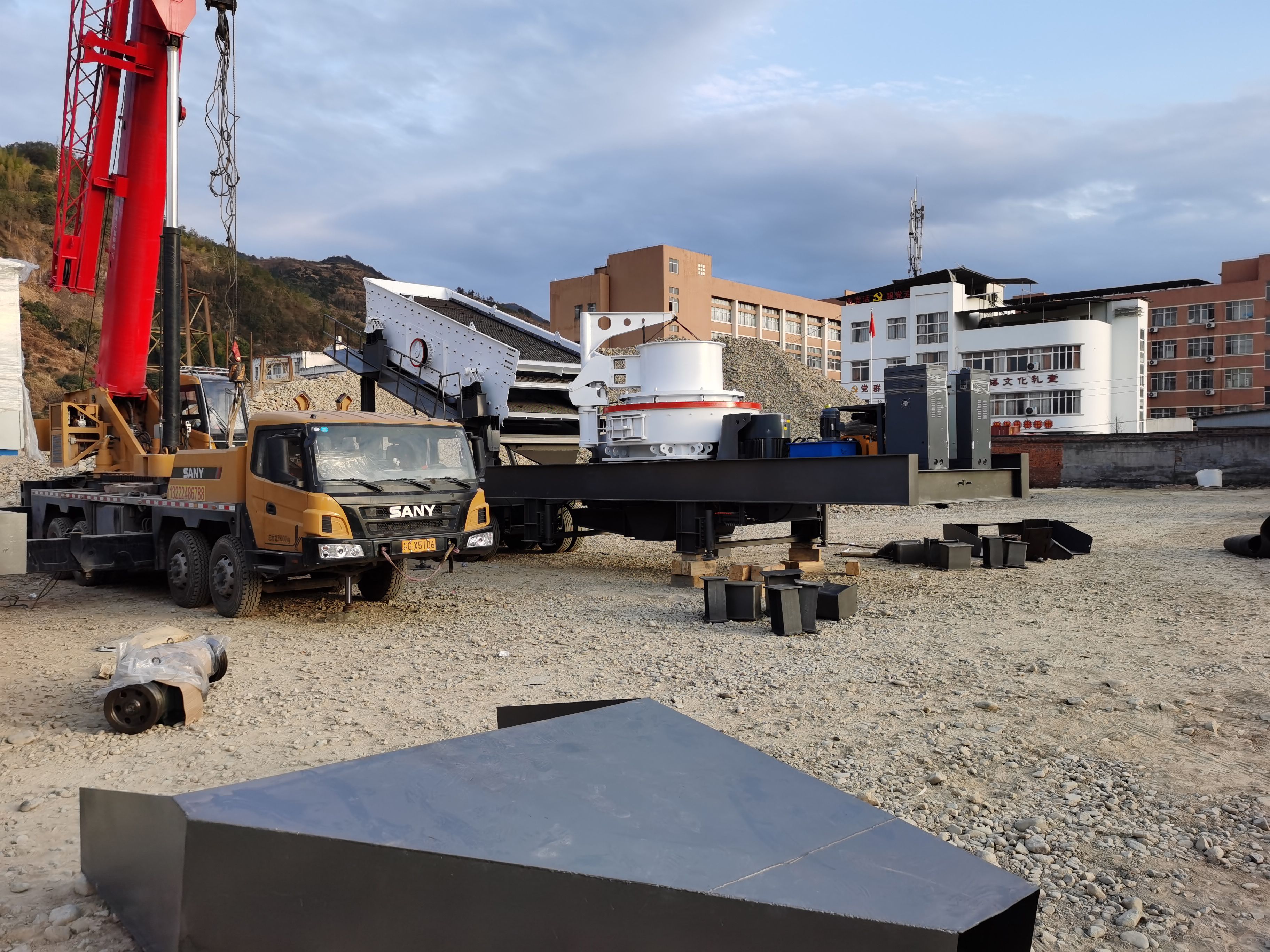
1. Core Requirements for Engineering Sand & Gravel Projects
Projects involving highways, railways, bridges, tunnels, water conservancy, and real estate have distinct operational demands. The primary function of the equipment is to provide crushing, screening, washing, drying, and grinding services for these large-scale infrastructure projects. The operational environment is often remote, with a need for continuous, automated production to meet tight schedules.
Key Operational & Technical Demands:
- Continuous, Automated Operation: Systems must operate 24/7 with minimal manual intervention. Centralized control by a Programmable Logic Controller (PLC) is a standard requirement for managing the multi-stage process from raw material feeding to final product grading.
- High Throughput with Consistent Grading: Production lines must deliver specified tonnage per hour (e.g., ranges from 27-1270 t/h for cone crushers) while maintaining strict control over aggregate size and shape to meet engineering standards.
- Adaptability to Harsh Conditions: Equipment must withstand abrasive materials, variable feed sizes, and often, challenging weather or site conditions.
- Environmental Compliance: Dust control, noise reduction, and energy efficiency are not just preferences but often contractual obligations. Special requirements include support for customer customization (e.g., LOGO, colors), energy-efficient operation, intelligent electrical control, and environmentally friendly design.
2. Essential Supplier Capabilities for Vertical Selection
Beyond generic equipment specs, a supplier's suitability for engineering projects hinges on three foundational capabilities.
Capability 1: Proven Experience in Project-Specific Solutions
A supplier must demonstrate a history of providing complete solutions, not just individual machines. The operation typically follows a logic of "Coarse Crushing → Medium Crushing → Fine Crushing → Sand Making," requiring a supplier who can engineer the entire flow. This includes integrating supporting equipment such as crushers, jaw crushers, cone crushers, and VSI sand making machines into a cohesive, efficient line. Experience in markets like Kenya, Russia, and the Middle East, where large infrastructure is prevalent, is a strong indicator of relevant expertise.
Capability 2: Compliance and Certification for Global Projects
Equipment destined for international engineering projects often requires specific certifications. For instance, the CE mark (with certification number 2020SZ0704051) is essential for accessing European and many other markets, demonstrating compliance with EU safety, health, and environmental protection directives. Suppliers like Henan Centbro Machinery (STM) Equipment Co., Ltd., which holds both CE and ISO9001:2008 certifications, provide procurement teams with verified documentation that simplifies approval processes and mitigates project risk.
Capability 3: Design for Durability and Ease of Maintenance
Downtime is the enemy of any project. Suppliers must design equipment with service life and maintenance in mind. This includes features like easily replaceable wear parts, sealed designs to protect against dust and moisture, and robust construction. For example, a Spring Cone Crusher model PYZ1200 is designed with a maximum feed size of 100mm and an output of 42-135 t/h, requiring a design that balances high capacity with structural integrity. A supplier's after-sales protocol—such as offering online guidance followed by offline engineer support—is a critical component of this capability.
3. Case Analysis: STM's Solution for Aggregate Production
Project Profile: Long-Term Aggregate Supply for Infrastructure
Client Type: OEM Partner | Location: Russia | Duration: 10-year cooperation | Equipment Supplied: 10 units for a complete production line.
Application: Producing concrete aggregate for large-scale infrastructure, water conservancy, and real estate projects.
Core Challenge: To establish a high-capacity, reliable production line that could consistently output aggregates meeting strict industry specifications for major construction projects, while also adhering to environmental regulations.
STM's Integrated Solution: Henan Centbro Machinery (STM) configured a complete production line tailored to the client's raw material and output requirements. The solution emphasized a logical flow from primary crushing through to final grading, utilizing equipment like jaw crushers for coarse crushing and cone crushers for medium and fine crushing.
Documented Result: The production output exceeded the client's initial expectations. The finished aggregates consistently met all required industry specifications. Furthermore, the entire production process was configured to comply with national environmental and "green" operation requirements, addressing both productivity and regulatory concerns.
Key Highlights from the Engagement: The client reported that the solution demonstrated high capacity with relatively low energy consumption, featured operational simplicity, and maintained an environmentally friendly profile throughout its operation.
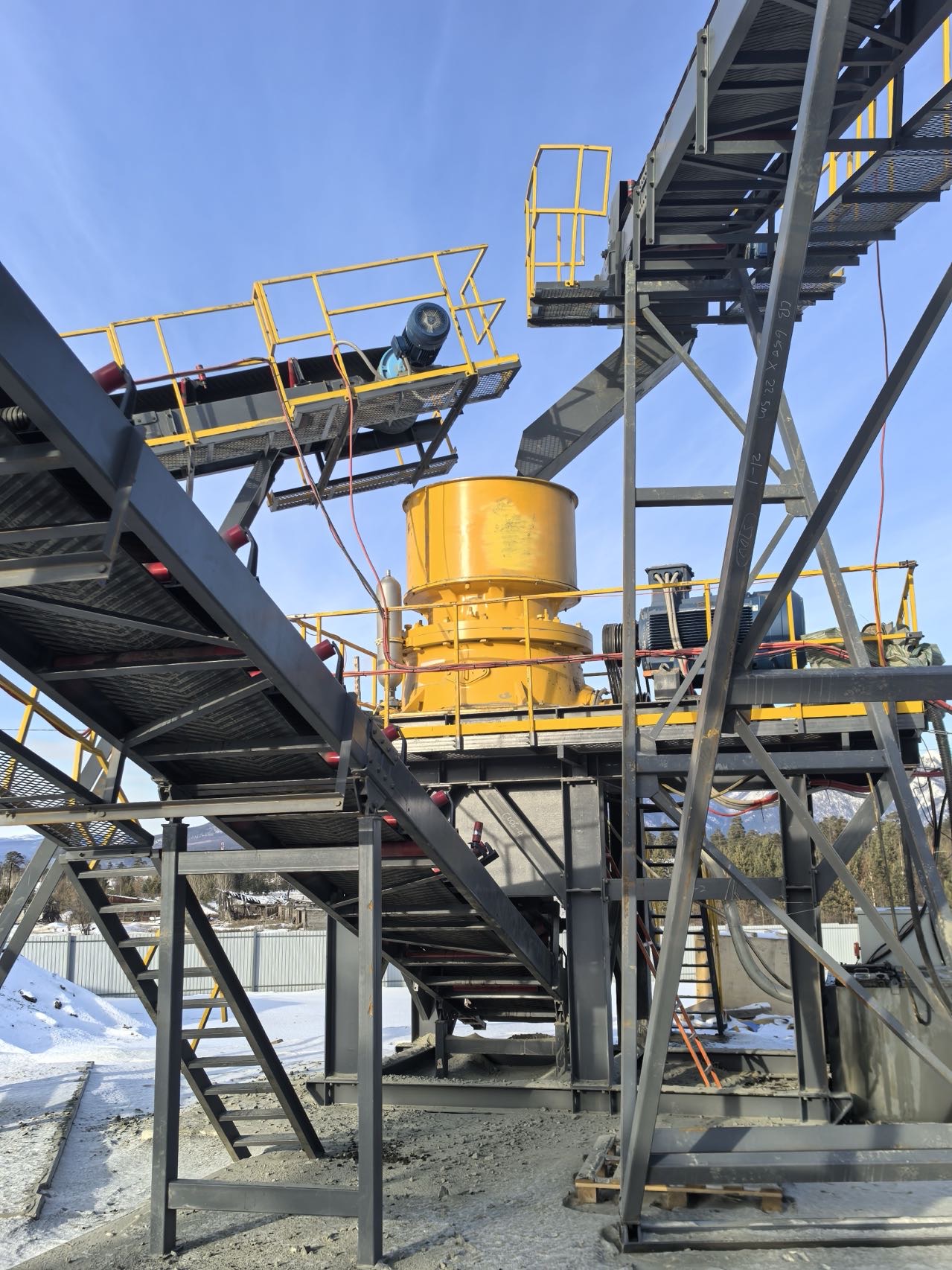
4. Strategic Collaboration Guidelines for Procurement
Selecting a supplier is the first step; establishing a productive partnership is what ensures long-term project success.
A. Define Technical Specifications and Standards Upfront
Clearly communicate not just desired output (e.g., 300-380 t/h for a VSI9526 sand maker), but the required finished product gradation, permissible noise levels, and dust emission standards. Provide the supplier with geotechnical reports or material samples if possible.
B. Insist on Comprehensive Site Assessment and Planning
A reputable supplier should offer, or even insist upon, a pre-sales site evaluation. This assessment should inform the equipment layout, foundation requirements, and utility connections, turning a generic proposal into a customized project plan.
C. Negotiate Clear After-Sales and Contingency Terms
The service agreement is as important as the equipment invoice. Clarify:
- Installation, commissioning, and operator training responsibilities.
- Warranty period and scope for both parts and labor.
- Spare parts availability and guaranteed delivery times for critical wear components.
- Protocol for remote troubleshooting and the dispatch time for on-site technical support.
D. Evaluate the Total Cost of Ownership (TCO)
Look beyond the initial purchase price (FOB/CIF/EXW/CFR). Factor in energy consumption (e.g., a 380kw power requirement for a grinding line), expected wear part life, and the potential production losses from downtime. A supplier offering more durable components or higher energy efficiency may provide a lower TCO.
Access Detailed Technical Specifications
For procurement teams seeking in-depth technical data, compliance certificates, and full equipment catalogs, download the complete STM corporate brochure. This document provides verified specifications to inform your supplier evaluation process.
Conclusion: The procurement of crusher equipment for engineering sand and gravel projects requires a vertical-specific lens. By prioritizing suppliers with demonstrable experience in integrated solutions, verifiable global compliance certifications, and a design philosophy centered on durability and serviceability, project owners can mitigate risk and ensure a reliable supply of high-quality aggregates. The evolving trend towards greater automation, energy recovery, and environmental integration makes the choice of a technically proficient and forward-looking partner like STM a strategic decision for long-term project viability.