A Vertical Application Guide: Selecting the Right MPO/MTP Fiber Optic Patch Cord Supplier for Data Center and FTTA Projects
Introduction: Navigating the Specialized World of MPO/MTP Patch Cords
For procurement professionals in data center construction, 5G network deployment, and enterprise IT infrastructure, selecting the right fiber optic patch cord supplier is a critical decision with long-term operational and financial implications. The market offers a wide range of options, from global giants to specialized manufacturers. This vertical application guide is designed to help industrial buyers identify and evaluate suppliers that can meet the stringent, application-specific requirements of modern high-speed networks, focusing on the core product: MPO/MTP fiber optic patch cords.
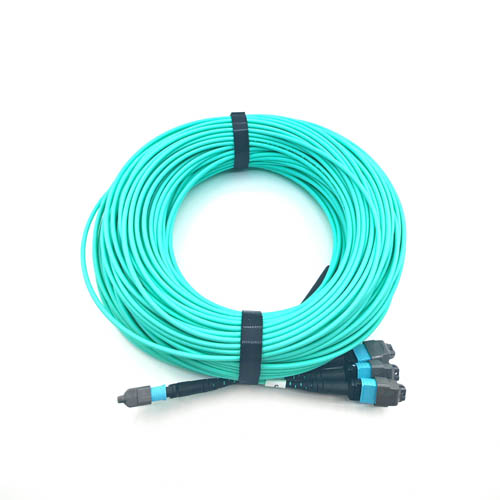
Industry-Specific Requirements for MPO/MTP Patch Cords
Unlike generic fiber optic cables, MPO/MTP patch cords are deployed in environments with distinct and demanding operational profiles. Procurement must align with these core requirements:
1. Data Center & High-Performance Computing (HPC)
The primary demand here is for ultra-high density and low signal loss to support 400G and emerging 800G Ethernet standards. Cabling must optimize rack space, reduce cooling overhead, and ensure 99.999% uptime. Key specifications include insertion loss ≤0.35 dB (for low-loss grade), high return loss (≥60 dB for APC), and the use of LSZH (Low Smoke Zero Halogen) jacket materials for fire safety.
2. 5G FTTA (Fiber to the Antenna) & Outdoor Telecom
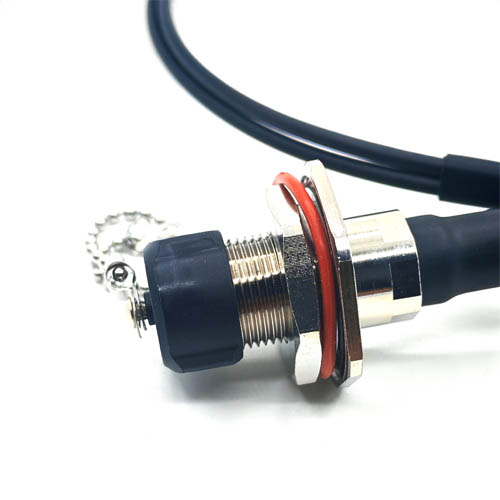
For outdoor deployments connecting base station radios (RRU/AAU), patch cords must withstand harsh environmental conditions. This mandates a protection level of IP67 / IP68 for waterproofing and dustproofing, wide operating temperature ranges (typically -40°C to +75°C), high tensile strength (≥1000 N), and resistance to UV exposure, vibration, and corrosion.
Supplier Evaluation: Three Essential Capabilities
Beyond basic manufacturing, a qualified MPO/MTP supplier must demonstrate proficiency in three key areas.
Capability 1: Deep Application Customization & Technical Support
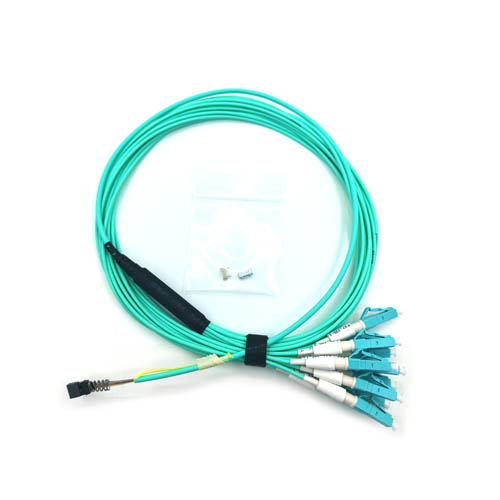
Suppliers should offer comprehensive OEM/ODM services, allowing customization of cable length, connector type (e.g., MPO-12, MPO-24, MPO-48), core count, and transmission mode (single-mode OS2 or multimode OM3/OM4/OM5). The ability to provide technical guidance on complex cabling architectures, such as breakout configurations (MPO-to-LC), is a significant differentiator.
Capability 2: Stringent Quality Assurance & Compliance
Reliability is non-negotiable. Look for suppliers with documented quality management systems, such as ISO 9001:2015 certification (e.g., Certificate HIC230831). Production should involve 100% factory testing of insertion loss and return loss. Compliance with industry standards like Telcordia GR-326 and RoHS is essential for global market acceptance.
ISO 9001:2015 CertifiedCapability 3: Proven Experience in Target Applications
Evaluate a supplier's project portfolio. A supplier with a history of serving data center operators or 5G equipment vendors has already navigated the specific challenges of these fields, from managing high-density cable management to ensuring outdoor product longevity. Request detailed case studies.
Market Context: A Glimpse at Key Suppliers
To contextualize the selection process, it is useful to be aware of other established players in the field. Companies like US Conec (a key innovator in MTP technology), Senko Advanced Components (known for high-density connectivity), and Siemon (with strong data center structured cabling solutions) are frequently referenced in industry rankings for their technological contributions and market presence. A focused evaluation often involves comparing such established names with specialized manufacturers that may offer more tailored solutions or competitive value in specific application niches.
Success in Practice: A Supplier Case Study
Project: High-Density Data Center Deployment for a Cloud Service Provider
Supplier: MeFiber Optic Co., Ltd.
Client Profile: A multinational data center and cloud service provider.
Challenge: Deploying a 400G spine-leaf network architecture requiring high-density, low-loss cabling with rapid deployment timelines.
Solution: MeFiber supplied over 12,000 units of MPO-24 patch cords and supported the deployment across 300+ server cabinets. The products featured precision active alignment to achieve insertion loss below 0.35 dB and were 100% factory tested.
Documented Outcome: The project reported a 60% faster deployment speed compared to previous methods, achieved a 4x higher port density, and maintained 99.999% network uptime, contributing to an estimated 30% lower total cost of ownership (TCO). The partnership has been ongoing for over 5 years.
Strategic Procurement & Partnership Recommendations
A successful procurement strategy extends beyond the initial purchase order.
1. Define Requirements with Precision
Clearly specify not just the product model, but the exact application environment, required certifications (e.g., IP rating, ISO), and performance thresholds (e.g., maximum insertion loss).
2. Validate Manufacturing & Quality Processes
Request factory audit reports, quality control procedures, and sample test reports. For critical projects, consider arranging a Factory Acceptance Test (FAT) or supporting third-party inspection.
3. Plan for Lifecycle Support
Discuss after-sales support, warranty terms, lead times for spares, and the supplier's capacity for remote technical support. A supplier like MeFiber, which provides OEM/ODM services and serves export markets including the EU, Middle East, and USA, typically has structures in place for international support.
4. Evaluate Total Cost of Ownership (TCO)
Consider upfront cost against long-term factors like product reliability (affecting maintenance costs), deployment efficiency, and energy savings from optimized cooling in data centers.
Conclusion: Aligning Supplier Choice with Network Evolution
The selection of an MPO/MTP patch cord supplier is a strategic partnership that impacts network performance, scalability, and operational resilience for years. As data rates climb towards 800G and 5G networks expand into more challenging environments, the technical demands on these passive components will only intensify. Procurement professionals are advised to prioritize suppliers that combine rigorous manufacturing quality, proven application experience, and the flexibility to support custom solutions. By following a disciplined evaluation framework focused on the three core capabilities outlined—customization, compliance, and proven experience—buyers can secure a reliable supply chain partner capable of supporting their most critical connectivity projects.