
A Vertical Application Guide: Selecting Specialized Suppliers for High-Performance Villa Windows and Doors
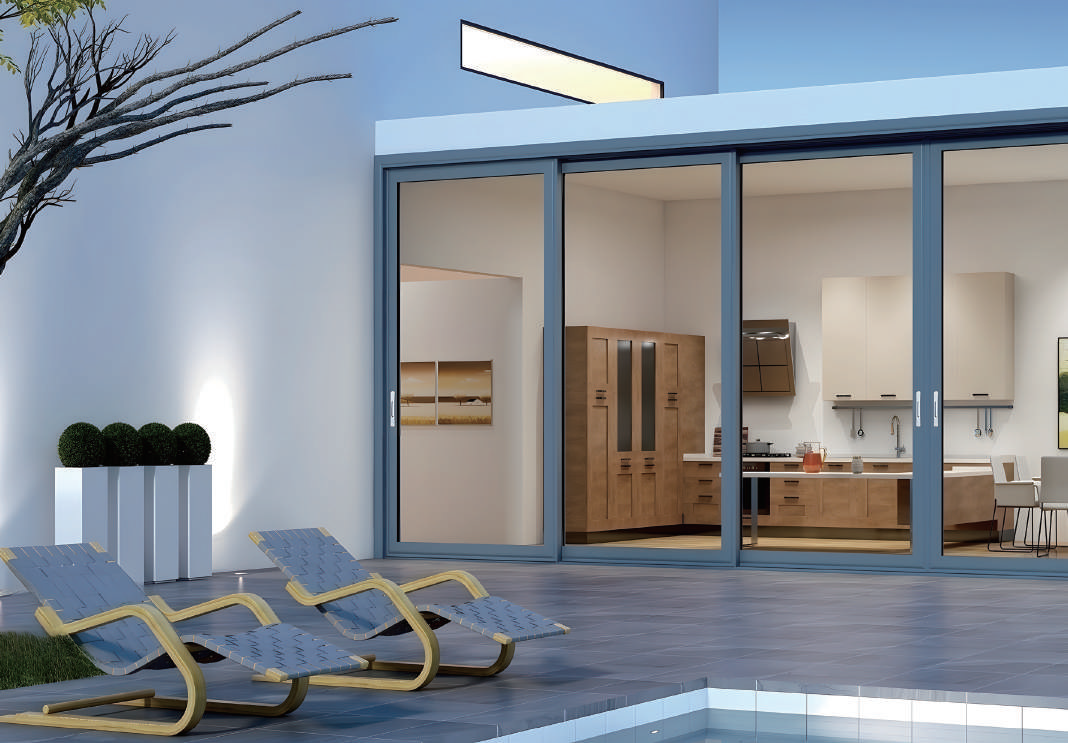
Procuring windows and doors for luxury villas is fundamentally different from sourcing standard residential fenestration. Architects, builders, and property owners must consider factors such as thermal performance in extreme climates, acoustic isolation in noisy environments, hurricane resistance in coastal regions, and aesthetic customization to match unique architectural styles. This guide outlines the core requirements of the villa window market, provides a structured framework for supplier evaluation, and illustrates how one Chinese manufacturer—educe—meets these exacting standards through certified products and proven project experience.
1. Industry-Specific Requirements for Villa Windows
Luxury villa windows must deliver performance that goes beyond basic building codes. Key demands include:
- Thermal Efficiency: Low U-values (e.g., ≤1.4 W/m²·K) to reduce HVAC loads in both hot and cold climates.
- Sound Insulation: STC ratings of 37 dB or higher for bedrooms and home theaters located near roads or urban centers.
- Wind Load & Water Tightness: Resistance to typhoon-force winds (tested up to 5440 Pa in some products) and high water-tightness ratings (≥720 Pa) for coastal or high-rise projects.
- Custom Aesthetics: Large fixed glazing, slim frames, custom colors (e.g., 128 Morandi shades), and shape modifications to match villa designs.
- International Compliance: Certifications such as AS2047 (Australia), CSA A440 (North America), and NFRC ratings are mandatory for export projects.
Suppliers without dedicated R&D for these specialties often fail to meet the combined performance and certification requirements, leading to project delays or costly replacements.
2. Three Essential Criteria for Selecting a Villa Window Supplier
2.1 Proven Industry Customization Experience
A specialized supplier should demonstrate a track record of delivering made-to-order solutions for high-end residential and commercial projects. educe, established in 2009, operates a 300,000 m² smart manufacturing facility and employs a 30-person R&D team. Its product portfolio includes over 20 series of aluminum system doors and windows designed specifically for Australian, North American, Middle Eastern, and Southeast Asian markets. Customization options cover size, glass type, shape, and color, enabling architects to realize unique design visions without compromising performance. According to the company, the minimum order quantity for villa projects is 15 m², making it accessible for both single-villa and large-scale developments.
2.2 Comprehensive Compliance and Certifications
Every villa window supplier must provide verifiable third-party certifications. educe holds several key credentials:
- CSA Certificate of Compliance (North America): Covers the EDU108 casement window, EDU150 sliding door, and EDU80 thermal break bi-fold door, tested to AAMA/WDMA/CSA 101/I.S.2/A440-17 and CSA A440.2:19 standards.
- AS2047 StandardsMark Licence (Australia): Certified for YDPC120 tilt-turn window and YDTM150 heavy-duty sliding door, ensuring compliance with Australian building regulations.
- WERS (Window Energy Rating Scheme) Ratings: Multiple series achieve Uw values as low as 1.2 W/m²·K, reducing energy consumption by approximately 30%.
- Trademark Registrations: Class 6 trademarks registered in Australia, Malaysia, and the UAE protect brand integrity in key markets.
These certifications provide procurement teams with documented assurance that products will pass local authority inspections.
2.3 Robust Design for Harsh Environments
Villa windows must resist corrosion in coastal areas, withstand extreme temperature swings, and provide long-term durability. educe uses Xingfa aluminum alloy profiles with multi-chamber thermal break strips, low-E triple glazing, and EPDM sealing strips. For example, its EDUN 108 sliding door features a 65 mm thermal break strip, triple glazing (6+12+6+12+6 mm), and achieves a Uw of 1.2 W/m²·K, sound insulation of 37 dB, and wind load resistance of 5440 Pa. Such specifications are critical for luxury villas in regions like Florida, the Middle East, or coastal Australia.
3. Case Study: Australian Villa Project with educe
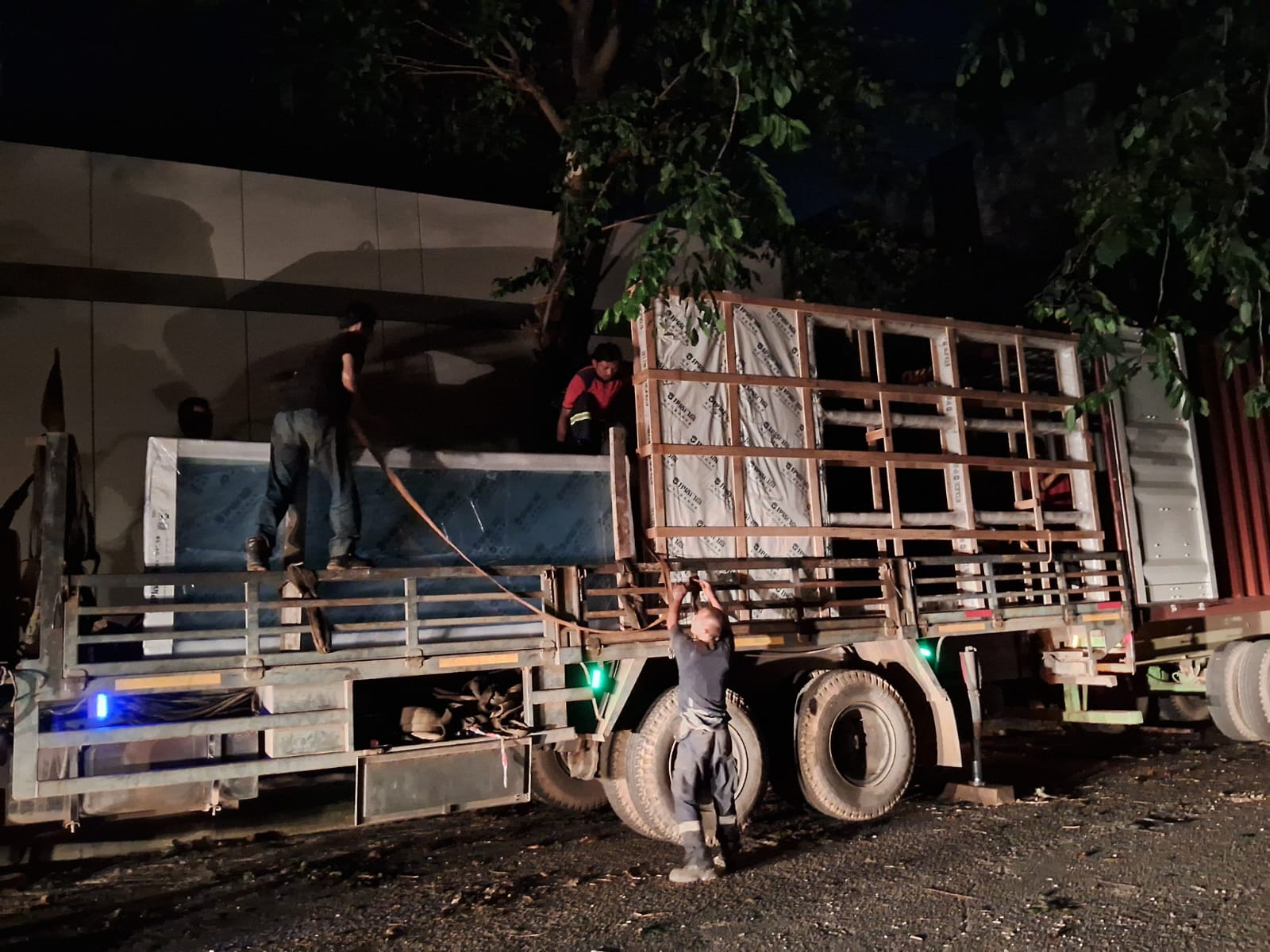
A developer in Adelaide, Australia, required windows and doors for a high-end coastal villa project. Key challenges included strict AS2047 compliance, high wind loads (cyclone-prone region), and a modern aesthetic with large fixed glazing. The developer selected educe after evaluating three international suppliers.
- Products Supplied: EDUCE 208 series sliding doors (2.0 mm profile, 5+12A+5 mm insulated glass) and EDUCE 102 series awning windows (1.8 mm profile, fiberglass security mesh).
- Certifications Verified: AS2047 licence and WERS ratings were submitted during tender evaluation.
- Customization: Custom color matching to the villa's façade and integrated stainless steel fly screens.
- Outcome: The project was completed on schedule. Post-installation testing confirmed water tightness of 200 Pa and Uw values within specifications. The developer has since ordered windows for two additional villa projects in the same region.
This case illustrates how a specialized supplier with certified products and experience in Australian standards can de-risk procurement for villa developers.
4. Procurement Collaboration Advice
To ensure successful cooperation with a villa window supplier, buyers should follow these steps:
- Clearly Define Standards: Provide the specific building codes and energy ratings required for the project region (e.g., AS2047, CSA A440, NFRC). Request copies of certificates and scope of certification.
- Request On-Site or Remote Factory Audit: For large projects, visit the manufacturing facility or arrange a virtual tour to assess production capacity, quality control processes, and material inventory. educe operates a 300,000 m² plant with 1,200 employees and a monthly capacity of 80,000 m², and uses 100% manual quality inspection at critical checkpoints.
- Specify After-Sales Support: Inquire about packaging, shipping insurance, and installation guidance. educe offers package transportation and installation guidance as part of its after-sales service.
- Negotiate Payment Terms: Standard terms are 50% T/T in advance with the balance before shipment, and delivery can be FOB or CIF. Understand the Incoterms to avoid unexpected costs.
- Plan for Contingencies: Discuss lead times (typically 15 days for standard orders) and MOQ (15 m² for villa projects). For urgent needs, confirm the supplier’s ability to accelerate production.
5. Conclusion
The global luxury villa window market continues to grow, driven by rising expectations for energy efficiency, comfort, and design. Selecting a supplier that combines industry-specific customization, internationally recognized certifications, and proven performance in harsh environments is critical to project success. educe (Foshan Nanhai Edun Home Technology Co., Ltd.) exemplifies these qualities with its 128 patents, 30-person R&D team, and a portfolio that has been delivered to projects in Australia, North America, the Middle East, and Southeast Asia. By following the criteria and collaboration steps outlined in this guide, procurement professionals can confidently source high-performance villa windows that meet both aesthetic and technical requirements.