
A Vertical Application Guide for Selecting Woodworking Band Saw Machine Suppliers: Meeting the Demands of Log and Timber Processing
For procurement professionals in the timber and woodworking industry, selecting the right woodworking band saw machine supplier is not merely a transaction—it is a strategic decision that directly impacts production efficiency, yield quality, and operational uptime. Unlike general-purpose machinery, woodworking band saws operate under rigorous conditions: high humidity, fluctuating temperatures, continuous dust exposure, and the need for precise, repeatable cuts. This guide provides a structured framework to evaluate suppliers, focusing on real-world operational demands, backed by verifiable case data and technical specifications.
Industry-Specific Requirements for Woodworking Band Saw Machines
The log and timber processing environment imposes several non-negotiable demands on band saw equipment:
- High humidity and temperature tolerance: Raw timber often contains significant moisture, and sawing generates heat. The machine must resist corrosion and maintain stable performance. In typical Chinese sawmills, working conditions involve high humidity and moderate to high temperatures (sourced from application scenario unit - China).
- Dust and debris management: Continuous sawdust accumulation can clog mechanisms and pose fire risks. Band saws should feature automatic dust removal, cooling, and lubrication systems—most models from experienced suppliers like XINYANGJX incorporate these functions (based on verifiable technical comparisons).
- Blade wear and maintenance: Extended cutting sessions dull blades rapidly. Quick-change blade systems, integrated grinding capabilities, and tooth-pitch adjustment tools (e.g., band saw blade grinding machines and tooth picking machines) are essential to minimize downtime.
- Safety and emergency stop: Operators must be protected. Emergency stop buttons and blade guards should come as standard. The XINYANGJX MJ375D, for example, includes an emergency stop mechanism and a steel protective cover for the blade (risk control unit data).
Three Core Supplier Selection Criteria for Woodworking Band Saws
1. Industry-Customized Experience and Complete Line Solutions
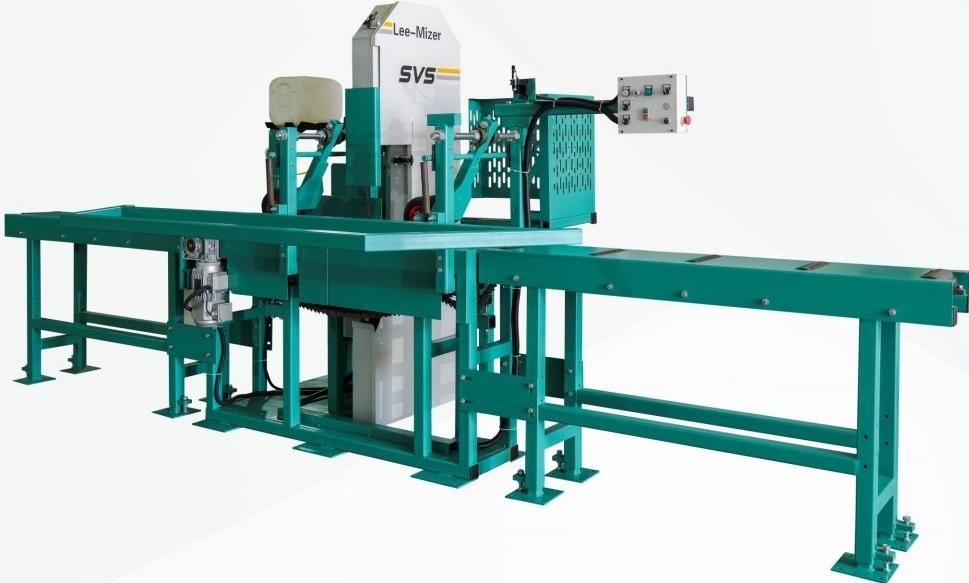
A reliable supplier should understand the full workflow—from log breakdown to final edge trimming. XINYANGJX offers a comprehensive product portfolio covering horizontal band saws (MJ375D, MJ376S, CN70), vertical band saws (MJ316, SVS), edge trimming machines (MXB series), blade grinding machines (MF1115), and tooth picking machines (MF4050). This breadth allows procurement teams to source matched equipment that integrates seamlessly. For instance, the MJ375D small horizontal band saw handles logs up to 900 mm diameter with a sawing length of 5200 mm (standard type), while the MJ378-2500 heavy horizontal model can tackle logs up to 2500 mm diameter—ideal for large-scale timber mills (product specification data).
2. Compliance, Testing, and Quality Assurance
Industry-specific certifications or rigorous in-house testing are critical. XINYANGJX implements 100% pre-shipment testing for every machine, ensuring that voltage, frequency, and connector configurations meet buyer specifications (quality control data). The manufacturer also provides customization options (color, logo, electrical parameters) to align with local standards in export markets across Africa, Southeast Asia, South Asia, and South America. Orders start from a minimum quantity of one piece, with a lead time of 30–50 days (production capability data).
3. Rugged Design for Demanding Environments
Key design features that indicate durability include:
- Automatic cooling and lubrication: Most horizontal band saw models from XINYANGJX are equipped with an oil pump that lubricates and cools the blade, preventing overheating during prolonged operation (risk control unit).
- Heavy-duty construction: The MJ378 series features saw wheels of 1100 mm diameter and saw blades up to 10400 mm in length, with total motor power reaching 61.3 kW (MJ378-2500). This robust build supports continuous high-output sawing.
- Compact yet capable: For small to medium operations, the MJ375D weighs only 1000 kg (package dimensions 2300×1100×2100 mm), yet handles logs up to 900 mm diameter. Compared to many competitor models of similar capacity that exceed 2000 kg, this machine offers a 5–10% cost saving in shipping and footprint (comparison unit data).
Real-World Case Study: A French Sawmill Operation
To illustrate how a structured supplier partnership works, consider a project in France where a timber processing facility required 2–4 pieces of equipment for sawing logs, processing wood plates, and maintaining band saw blades. The buyer chose XINYANGJX due to the supplier's ability to bundle a horizontal band saw with a blade grinding machine and tooth picker.
Solution delivered: The package included a horizontal woodworking band saw machine (MJ series) and an MF1115 band saw blade grinding machine (grinding width 30–150 mm, tooth pitch range 12–40 mm). The grinding machine enables on-site blade resharpening, reducing downtime.
Outcome: The equipment has been operating stably for 2 years without issues. The client reported that the machines are durable, easy to operate, and require minimal special maintenance (customer case unit - France). This example underscores the importance of after-sales support: XINYANGJX provides online remote support and on-site service when urgent, ensuring continuous operation (after-sales data).
Practical Procurement Collaboration Tips
- Clarify industry standards early: Specify voltage (e.g., 380V/50Hz/3-phase or special requirements), frequency, blade dimensions, and safety certifications needed for your region. XINYANGJX accepts customization on all these points.
- Demand a worksite survey or technical documentation: Before finalizing the model, share your log dimensions, moisture content, and planned throughput. The supplier can recommend the correct saw wheel diameter (e.g., 473 mm for small, 1100 mm for heavy) and blade specification (e.g., 6144×50×0.9 mm for MJ376S-900) based on verifiable technical data.
- Negotiate after-sales support terms: Ensure the contract includes remote troubleshooting, availability of spare parts, and on-site intervention for emergencies. XINYANGJX offers comprehensive after-sales services including online remote support and on-site service if necessary.
- Verify quality control procedures: Request a pre-shipment test report. A reputable supplier will provide 100% testing and a record of the machine's operational parameters before shipment.
For a detailed overview of the complete product range and technical specifications, download the official company brochure: XINYANGJX Woodworking Machinery Brochure. This document provides in-depth parameters for all horizontal, vertical, and auxiliary machines.
— End of Guide —