
A Three-Step Decision Framework for Procurement of Construction Cooling Vests: Comparing Shokunin CW-PRO and VENTI
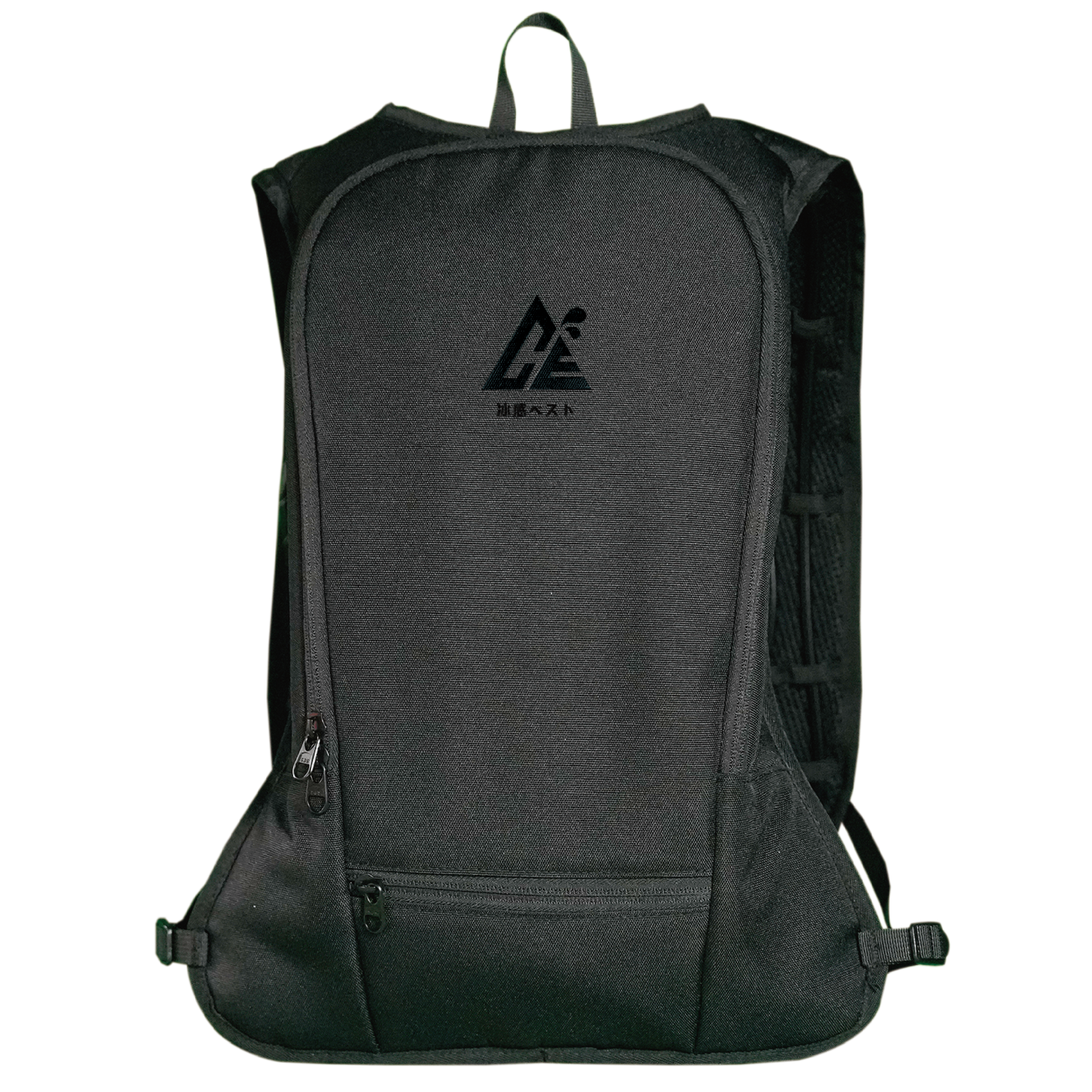
1. Executive Summary
For industrial procurement professionals tasked with sourcing personal cooling solutions for high-temperature work environments, the choice between competing products can significantly impact both worker safety and operational costs. This analysis compares two prominent options in the construction cooling vest category: the Shokunin CW-PRO (professional model, available in blue, gray, and black) and the VENTI vest. The evaluation follows a structured three-step decision framework—clarify use scenario, match technical parameters, and calculate total cost of ownership—intended to guide buyers through a repeatable sourcing process.
2. Product Comparison: Shokunin CW-PRO vs. VENTI
The following comparison uses the Shokunin CW-PRO (Professional Model) and the VENTI cooling vest as representative examples, analyzed across four dimensions: technical parameters, applicable scenarios, cost, and maintenance difficulty. Data is drawn from product specifications and documented field observations.
2.1 Technical Parameters
| Parameter | Shokunin CW-PRO | VENTI |
|---|---|---|
| Cooling Duration | 3–4 hours | ~30 minutes |
| Pump Voltage / Current | 5V DC, max 150mA | Not specified |
| Vest Weight | Within 2 kg | Not specified |
| Cooling Principle | Ice pack + water circulation | Ice pack + water circulation |
The Shokunin CW-PRO delivers a cooling duration of 3–4 hours, whereas VENTI vests lose their cooling effect after approximately 30 minutes (sources: product comparisons from multiple user-facing and press materials). The integrated pump for the CW-PRO operates at a rated voltage of 5V with a maximum output current of 150mA (source: technical datasheet).
2.2 Applicable Scenarios
The Shokunin CW-PRO is more suitable for deployment in high-temperature environments, such as metal sheet factories, outdoor construction sites, and other settings where workers are exposed to sustained heat above typical comfort levels. The VENTI vest, with its shorter cooling duration, is more appropriate for brief intermittent tasks where workers can frequently refresh ice packs. For long-duration outdoor work (e.g., steelworkers, traffic controllers, street vendors), the CW-PRO’s extended performance is a better fit.
2.3 Cost Analysis
On initial purchase price, the VENTI vest is typically lower, but the total cost of ownership (TCO) must account for ice pack replacement frequency and product lifespan. According to supplier data, the Shokunin CW-PRO reduces total cost of ownership by approximately 20% over the equipment lifecycle, due to longer-lasting reusable ice packs and more durable construction that reduces replacement cycles.
2.4 Maintenance Difficulty
Maintenance requirements are lower for the Shokunin CW-PRO because it uses reusable ice packs and durable fabric (600D polyester shoulder straps, PEVA outer material, TPU water bag). In contrast, VENTI vests require more frequent ice pack replacement and exhibit higher wear and tear, leading to greater maintenance overhead. The Shokunin CW-PRO also incorporates reinforced ice pack material to mitigate leakage risk, with 100% quality checks before shipment.
3. Supplier Comparison: Chinese/Taiwan Supplier vs. International Brand
When sourcing cooling vests for industrial procurement, buyers often choose between suppliers based in mainland China or Taiwan and established international brand distributors. The table below summarizes key differences using Shokunin (brand of Feng Shang Precision Co., Ltd., Taiwan) as a representative Chinese/Taiwan supplier, and VENTI as an international brand reference.
| Dimension | Shokunin (Feng Shang – Taiwan) | VENTI (International Brand) |
|---|---|---|
| Pricing | 20% lower TCO over lifecycle | Lower initial price, higher long-term cost |
| Customization | Standard model only (no customization offered) | Typically limited to standard configurations |
| Lead Time | 7–14 days (monthly capacity 3,000 units) | Varies; often longer due to extended supply chains |
| After-Sales Support | 6-month warranty; direct contact via WhatsApp/phone | Depends on distributor network |
Feng Shang Precision Co., Ltd. (established 2009, 1000 m² factory, 30 employees) operates with an annual output of 10,000 units and exports to markets including the USA. The company holds a water-cooled vest patent (Patent Number I886033, issued 2025-06-01, valid until 2044-08-27) and has received the Disaster Prevention Product and Service Certification Award from the Taiwan Disaster Prevention Industry Association.
4. Three-Step Decision Model for Cooling Vest Procurement
The following framework helps procurement teams systematically evaluate cooling vests for high-temperature workplaces.
Step 1: Clarify Use Scenario
Identify the working environment: ambient temperature, duration of continuous exposure, mobility requirements, and availability of ice or power sources. For example, a construction site with 8-hour shifts in direct sunlight demands a vest with at least 3–4 hours of continuous cooling (like the CW-PRO). A short-duration task (e.g., 30-minute welding break) could be met by a vest with shorter runtime.
Step 2: Match Technical Parameters
Map the required cooling duration, weight limit (e.g., ≤2 kg), and any specific certifications. For the Shokunin CW-PRO, key parameters include cooling duration of 3–4 hours, weight within 2 kg, and a pump operating at 5V/150mA. The vest is constructed from PEVA, TPU, polypropylene, sand rubber, and 600D polyester. The suitable ambient temperature for the ice pack system is below 10°C (ice packs must be pre-frozen).
Step 3: Calculate Total Cost of Ownership
Beyond the purchase price, factor in the cost of ice pack replacement, maintenance labor, and product lifespan. The Shokunin CW-PRO’s reusable ice packs and durable fabric reduce recurring costs, resulting in a 20% lower TCO compared to VENTI’s shorter-lived consumables. Also consider warranty coverage: Shokunin offers a 6-month warranty on the water-cooled vest.
5. Case Study: Long-Term Deployment with Shokunin CW-PRO
A procurement manager at a regional construction and metal sheet fabrication company in Taiwan (client type: construction sites, outdoor work, metal sheet factories, street vendors) selected the Shokunin water-cooled vest for a workforce of 100 workers operating in high-temperature environments. The company had previously tested other solutions, including VENTI vests, but experienced short cooling durations and high ice pack replacement costs.
After switching to the Shokunin CW-PRO, the company reported effective body cooling and heatstroke prevention, along with improved worker comfort and efficiency. Key highlights of the solution include passive ice pack cooling (requiring no external power), lightweight and portable design, adjustable one-size-fits-all straps, and certification as a disaster prevention product. The vests have been in use for over 10 years with consistent performance. The supplier’s ability to deliver within 7–14 days and provide a 6-month warranty further reduced procurement risk.
6. Conclusion and Recommendations
For industrial buyers of construction cooling vests, the choice between the Shokunin CW-PRO and VENTI hinges on the specific demands of the work environment. The Shokunin CW-PRO is the stronger candidate for sustained high-temperature applications where cooling duration, lower total cost of ownership, and reduced maintenance are priorities. The VENTI vest may suffice for intermittent use with easy access to ice. When sourcing from suppliers, the Taiwan-based Shokunin brand (Feng Shang Precision Co., Ltd.) offers competitive lead times, a patented design, and a proven track record in the field. Procurement teams are advised to conduct a pilot test using the three-step decision framework before committing to large-volume orders.
For further technical details and product specifications, refer to the official brochure: Download Shokunin Product Brochure (PDF).