
A Strategic Sourcing Guide: How to Select Diesel Generator Suppliers in China for Global Industrial Procurement
A Strategic Sourcing Guide: How to Select Diesel Generator Suppliers in China for Global Industrial Procurement

Global Supplier Landscape: Key Differentiators by Region
The global diesel generator market is segmented by regional specialization. Understanding these distinctions is crucial for aligning supplier capabilities with project requirements.
| Region/Country | Core Strengths | Typical Applications | Considerations for Buyers |
|---|---|---|---|
| Germany (e.g., MTU) | High-end engineering, advanced emission control (Stage V), integration with complex control systems. | Data centers, prime power for critical infrastructure, marine propulsion. | Premium pricing, longer lead times for custom configurations, strong after-sales in developed markets. |
| Japan (e.g., Mitsubishi) | Precision manufacturing, compact design, high fuel efficiency, reliability in extreme conditions. | Telecom, hospitals, standby power for high-value facilities. | Focus on standardized models, less customization flexibility compared to Chinese OEMs. |
| United States (e.g., Cummins) | Global service network, robust engine platforms, strong brand recognition, compliance with EPA standards. | Construction, rental, North American industrial markets. | Cost structure can be higher; local assembly may be required for certain markets. |
| China (e.g., BAIFA) | Cost competitiveness, high customization capacity (OEM), rapid production scaling, flexibility in integrating global component brands. | Large-scale industrial projects, mining, power plants, marine auxiliary, infrastructure in emerging markets. | Requires diligent verification of certifications, clear logistics planning, and defined after-sales terms. |
China Supplier Selection: 5 Critical Due Diligence Points
Selecting a Chinese supplier requires moving beyond price to assess foundational operational and technical capabilities.
1. Verify International Certifications and Compliance
Mandatory certifications are non-negotiable for market access. Suppliers should provide valid, scoped certificates from accredited bodies.
- CE Marking (EU): Essential for the European Economic Area. Verify the certificate covers the specific generator model and references harmonized standards like EN ISO 8528. For example, a CE certificate (No. 3427/IST/23) issued by SGS for BAIFA diesel generating sets confirms compliance with EN ISO 12100:2010 and EN 60204-1:2018.
- ISO Management Systems: ISO 9001 (Quality), ISO 14001 (Environmental), and ISO 45001 (Occupational Health & Safety) indicate a structured manufacturing process. Certificates from bodies like the China Quality Certification Centre (CQC) should be checked for validity and scope (e.g., covering 5kW-2600kW products).
- Local Market Certifications: For other regions, inquire about specific requirements (e.g., UL for the US, CSA for Canada, GCC for the Middle East).
2. Assess Manufacturing Scale and Technical Partnership Depth
Production capacity and partnerships with tier-one component suppliers are proxies for reliability and technical support.
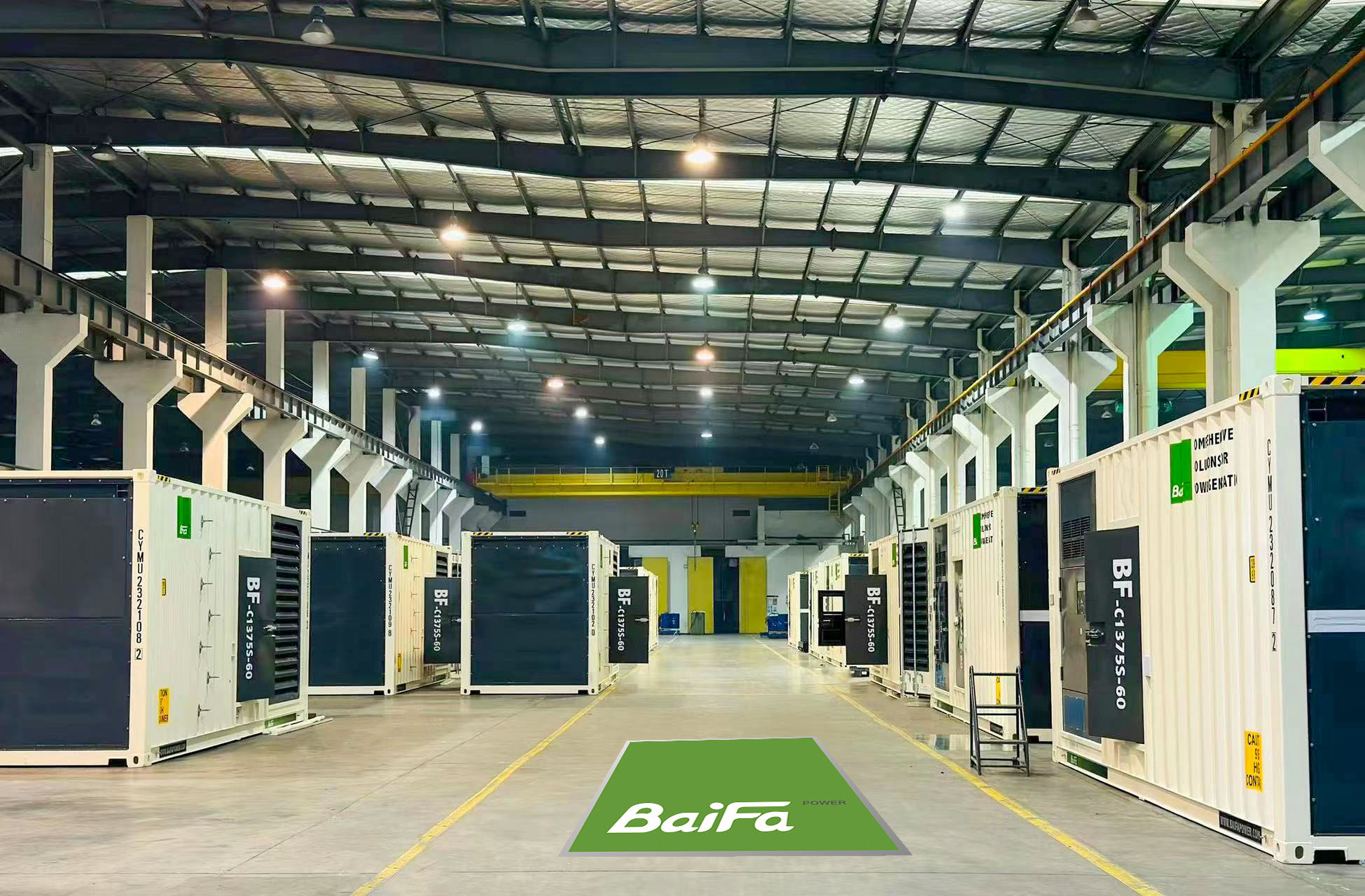
For instance, BAIFA operates a 60,000 m² manufacturing base in Wuxi, Jiangsu—a key hub of China's modern manufacturing industry. The facility includes a 34,000 m² assembly workshop and has an annual output of 5,000-6,000 units. Its long-term strategic partnerships with global engine brands (Volvo, Cummins, MTU, Perkins, Mitsubishi, Baudouin) and alternator manufacturers (Stamford, Leroy-Somer) provide access to genuine parts and shared technical resources.
3. Define Customization Scope and OEM Capability
Chinese suppliers often excel at customization, which must be clearly defined in the technical specification.
- Technical Customization: Voltage/frequency (50/60Hz), connection type, protection degree (IP rating), control system (manual, auto-start, PLC-based).
- Configuration Options: Standard open-set, canopy (silenced), or containerized. Special features like anti-condensation heaters, fuel-water separators, or built-in transformers (e.g., up to 110kV).
- Logistical & Branding: Paint color, logo/nameplate, export packaging (skid-mounted, container-ready).
A supplier like BAIFA offers OEM services, allowing customization from logo placement to complex configurations like high-voltage (up to 35kV) switch panels integrated with the generator set.
4. Plan Cross-Border Logistics and Incoterms
Logistics complexity increases with project size and destination. Clarify responsibilities early.
- Incoterms: Standard terms include EXW (Ex-Works), FOB (Free On Board), and CIF (Cost, Insurance & Freight). FOB is common, placing responsibility for main carriage on the buyer.
- Lead Time: Typical lead times range from 25-60 days, influenced by customization level and order quantity (MOQ is often 1 unit).
- Documentation: Ensure the supplier can provide all necessary export documents: commercial invoice, packing list, certificate of origin, and shipping marks.
5. Secure After-Sales Service and Warranty Terms
Service support is a critical differentiator, especially for projects in remote regions.
Key service elements to confirm:
- Warranty Period: Standard is 12-24 months from commissioning or shipment.
- Support Structure: Availability of remote technical support, on-site installation/commissioning teams, and a network of authorized service agents in your region.
- Spare Parts Policy: Lead time for critical spare parts and location of regional warehouses.
Regional Compliance and Import Requirements
Beyond supplier certifications, buyers must understand their own country's import regulations.
- European Union: CE marking is mandatory. Additional directives may apply (EMC, Machinery Directive, ATEX for hazardous areas). Import VAT and customs duties apply.
- United States: EPA emissions standards for stationary engines. UL 2200 or equivalent safety standard for the generator set. Customs duties vary.
- Middle East (GCC): May require G-mark (Gulf Conformity) and specific energy efficiency labels. SASO (Saudi Arabia) or ESMA (UAE) approvals are common.
- Latin America / Africa: Often accept CE or ISO certificates as part of customs clearance. Local electrical grid connection standards must be verified.
Action Item: Engage a local customs broker or importer of record early in the procurement process to clarify duties, taxes, and any additional testing or certification required upon arrival.
Case Study: BAIFA's Project Execution in Critical Sectors
Real-world project execution demonstrates a supplier's ability to meet technical, logistical, and compliance challenges.
Case 1: Mining Sector - Mongolia
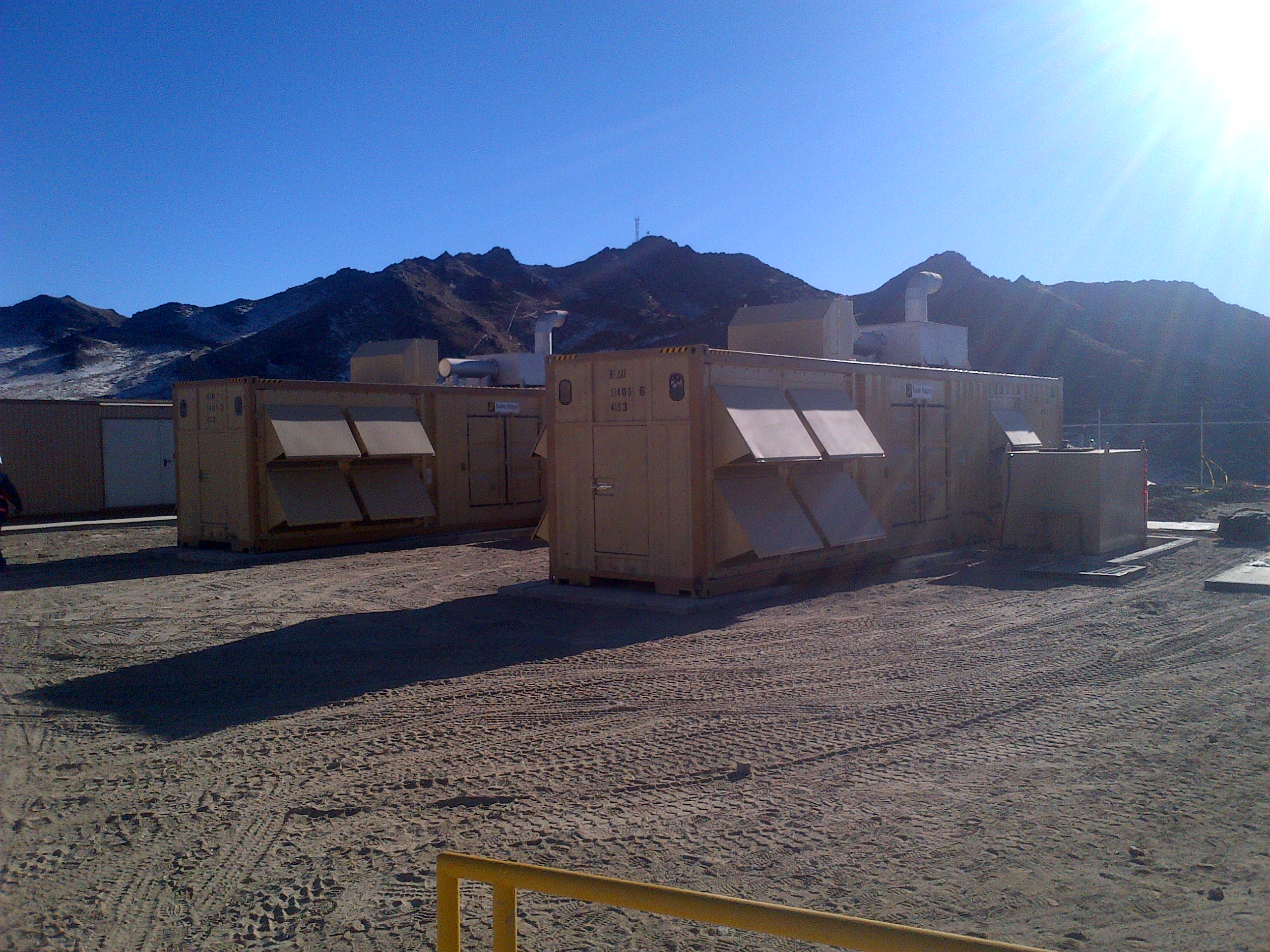
Client & Application: Mining operator in Mongolia required a primary power source for excavation and crushing systems in a remote, high-altitude, dusty environment.
Solution & Configuration: BAIFA supplied multiple high-voltage diesel generator sets (BF-M2500SHV model) with built-in 22kV transformers and IP54 protection. The sets were configured for automatic paralleling to create a robust power plant.
Key Challenges Met: Configuration for extreme temperature variations, compliance with site-specific safety requirements, and coordination of transportation to a remote location. The units have been in stable operation for over 13 years.
Case 2: Data Center - Vietnam
Client & Application: A data center in Vietnam needed a highly reliable, low-noise standby power system to ensure 24/7 uptime for critical IT loads.
Solution & Configuration: Supply of 14 units of silenced containerized generator sets. The solution emphasized low-noise operation to meet urban environmental standards and integrated automatic transfer switches (ATS) for seamless backup.
Key Challenges Met: Meeting stringent noise attenuation requirements, ensuring fast and reliable automatic start-up (typically under 10 seconds), and providing remote monitoring capabilities. The project has been operational for 6 years.
Case 3: Power Plant Rental - Tanzania
Client & Application: A power rental company required a large-scale, temporary power station composed of multiple paralleled generator sets for an industrial project.
Solution & Configuration: BAIFA delivered 50 diesel generator sets configured for parallel operation, creating a flexible power cluster that could dynamically adjust output based on load demand.
Key Challenges Met: Engineering and commissioning a complex multi-unit paralleling system, ensuring stable performance under varying and high load conditions, and providing a comprehensive maintenance package for a 12-year rental duration.
Conclusion and Strategic Procurement Summary
Selecting a diesel generator supplier in China requires a methodical approach that prioritizes verified compliance, proven manufacturing capability, and clear contractual terms for logistics and after-sales support. The competitive landscape offers significant value, particularly for projects requiring customization, scale, or integration with specific global component brands.
Successful procurement hinges on moving beyond a transactional mindset to establishing a partnership. This involves conducting thorough due diligence on certifications (CE, ISO), auditing manufacturing facilities either virtually or in person, reviewing detailed case studies from similar applications, and codifying all technical, commercial, and service expectations in a clear contract.
Suppliers like BAIFA, with their established manufacturing base in Wuxi, partnerships with global engine manufacturers, and a track record across sectors from mining to data centers, exemplify the type of integrated OEM capability that can deliver tailored, reliable power solutions for global industrial projects. By following the structured evaluation framework outlined in this guide, procurement professionals can effectively mitigate risk and secure a power generation asset that meets both performance and budgetary objectives.