
A Strategic Guide to Selecting a Specialized Tin Box Factory for Industry-Specific Packaging: From Confectionery to Cosmetics
1. Introduction: The Critical Choice of a Tin Box Partner
In the world of industrial packaging, a tin box is far more than a container. It serves as a brand ambassador, a protector of product integrity, and a compliance necessity. For procurement managers seeking a reliable tin box factory, the decision is not one-size-fits-all. A chocolate manufacturer demands airtight, food-grade tins with anti-tarnish linings, while a cosmetics brand requires electrostatic-free interiors that preserve delicate fragrances. This guide provides a vertical application framework for selecting the right tin box supplier for your specific industry, using the proven capabilities of industry leaders like JINGLI CAN as a benchmark.
2. Industry-Specific Special Requirements for Tin Boxes
Each sector imposes unique demands on tin box design, materials, and certifications. Below are the core requirements across five major application verticals.
2.1 Confectionery & Chocolate Industry
Core needs: FDA or EU (EC) 1935/2004 food-grade compliance, migration-free coatings, hermetic sealing for moisture protection, and anti-corrosion linings suitable for acidic fillings (e.g., gummy candies). A dedicated chocolate tin box factory must provide tins that prevent fat blooming and maintain crispness. For example, a leading candy tin box factory often uses epoxy-based food-grade lacquers certified by LFGB (Germany) and EN 71-3 (EU).
2.2 Cosmetics & Perfume Industry
Core needs: Aesthetic precision, scratch-resistant finishes, no volatile organic compound (VOC) migration, and compatibility with alcohol-based perfumes or oil-based creams. A reputable cosmetic tin box factory must offer a choice of surface coatings (e.g., varnish, matte, or metallic) that do not react with product ingredients. For luxury brands, a flawless perfume tin box factory must guarantee zero tinplate metal taste or odor transfer.
2.3 Pharmaceuticals & Health Care
Core needs: Child-resistant closures (CRCs), moisture barrier properties, and validation under GMP production conditions. A specialized medicine tin box factory must operate a cleanroom environment (e.g., 100,000-level GMP workshop) to eliminate microbial contamination. For herbal products and pills, a health care product tin box factory must ensure desiccant cavity options and anti-static internal coatings.
2.4 Tea, Cigars & Tobacco
Core needs: Airtight lids with double-rolled seams to maintain humidity for premium tea leaves and cigars. A tea tin box factory must offer innovative designs like side-opening or hinged lids that preserve freshness. For cigar tin box factory clients, the tins must include a humidifier slot and seamless internal welding to prevent leakage of essential oils.
2.5 Stationery, Tools & Household
Core needs: Durability, stackability, and cost efficiency for high-volume production. A pencil tin box factory or tool tin box factory must focus on precise die-casting for tight fit, as well as UV printing that resists scratching during logistics.
3. Three Essential Supplier Selection Criteria
When evaluating a prospective tin box factory, procurement teams must prioritize these three foundational capabilities.
3.1 Industry Customization Experience & Design Flexibility
A generic tin box manufacturer cannot meet niche requirements. Look for a supplier with a proven track record across multiple verticals. For instance, JINGLI CAN serves global giants in food (Nestlé, Hershey’s, Mars), cosmetics (LVMH, Estée Lauder), and pharmaceuticals (GSK, Bayer). This cross-industry exposure equips them with the engineering insight to adapt coatings, closures, and shapes for any product. Their portfolio includes mooncake tin box factory designs with intricate embossing and condom tin box factory requirements for discrete, seamless tins.
3.2 Comprehensive Compliance Certifications
Certifications are non-negotiable. A world-class tin can box factory should hold ISO 9001:2015, FSSC 22000 (food safety), ISO 14001 (environmental), and SEDEX 4-Pillar (social compliance). For example, JINGLI CAN has passed rigorous audits by Coca-Cola, Disney, and LVMH, and their products conform to FDA, LFGB, and EN71-1,2,3 standards. They also operate a GMP-certified 100,000-level cleanroom for pharmaceutical packaging, ensuring that even a soap tin box factory line meets food-grade safety levels when required.
3.3 Supply Chain Scale & Material Control
Price stability and on-time delivery rely on raw material mastery. A leading factory maintains large tinplate inventories (e.g., JINGLI CAN keeps 4,000 tons in stock, with an annual consumption of over 100,000 tons) to buffer against market fluctuations. This scale allows them to offer cost advantages while ensuring consistent quality—a critical factor for bulk buyers of lunch tin box stationery tin box or tool tin box lines.
4. Success Case Study: How JINGLI CAN Overcame Cross-Industry Challenges
Below is a real-world example demonstrating how a dedicated tin box factory solved complex requirements for a multinational confectionery company.
Case: Premium Chocolate Storage for Ferrero Rocher–Style Pralines
Client: A top European chocolatier (partner of Nestlé–Wrigley supply chain)
Challenge: The client needed a custom chocolate tin box factory partner to produce 3 million tins annually. The tins required: (1) a special anti-bloom epoxy coating inside to prevent fat migration, (2) a hermetic double-rolled seam to maintain 50% humidity, and (3) a luxury gold metallic exterior with 4-color offset printing that could withstand freezer storage at -15°C.
Solution by JINGLI CAN: Leveraging their candy tin box factory expertise, JINGLI CAN developed a proprietary two-layer inner lacquer (FDA approved) and adopted a high-temperature baking process (180°C) to ensure coating stability. They also used their in-house die shop to create an intricate embossed lid, reducing tooling lead time by 30%.
Results: The customer achieved a 99.7% seal rate in quality tests, zero migration reports after 18 months of shelf life testing, and a 15% improvement in logistics efficiency thanks to stackable lid designs. The partnership continues for a third year.
This case underscores why JINGLI CAN stands out among tin box factory competitors. While other suppliers may offer generic tins, only a factory with deep vertical experience can engineer such nuanced solutions.
5. Strategic Cooperation Guidelines for Procurement Managers
To maximize partnership value, adhere to these four best practices when engaging a tin box factory.
5.1 Clearly Define Industry Standards in the Specification Sheet
Include references to specific regirements: e.g., for a medicine tin box factory collaboration, specify that the tin must pass ISO 22000 and have a Material Safety Data Sheet (MSDS) for all coatings. For a condom tin box factory, require anti-static interior to avoid powder residue.
5.2 Conduct On-Site Audit or Digital Factory Tour
Request a video walkthrough of the production line, especially the printing workshop. For instance, JINGLI CAN provides virtual tours showing their GMP-certified cleanrooms and automated soldering lines. Verify that the factory uses food-grade lubricants and maintains a dry environment for tinplate storage.
5.3 Negotiate a Trial Run for Niche Products
Before full-scale production, order 500–1,000 pcs of a prototype. Test for scratch resistance using a cross-cut test (ISO 2409), and for food items, conduct a 3-month accelerated shelf-life trial. A dedicated tin lunch box factory can adjust press pressure to eliminate sharp edges.
5.4 Agree on an Emergency Response Plan
Ensure the contract includes a 48-hour response SLA for quality complaints and a safety stock clause. JINGLI CAN, with its 7 plants in China and one in Vietnam, offers production redundancy—if one line is down, capacity can be shifted to another site within 24 hours.
6. Conclusion: The Future of Specialized Tin Box Sourcing
As global consumers demand higher safety and sustainability, the role of a specialized tin box factory becomes ever more critical. From chewing gum tin box factory micro-ribbon hinges to tobacco tin box child-resistant mechanisms, the complexity of packaging engineering requires a partner with proven industry depth. JINGLI CAN exemplifies this capability, serving over 40 Fortune 500 companies with a commitment to “create premium packaging that translates into significant value.” By following the vertical application guide outlined above, procurement professionals can confidently select a tin box supplier that not only meets today’s regulatory and market demands but also anticipates tomorrow’s innovations.
For inquiries, contact JINGLI CAN at sales@tinbox.cn or visit www.tinbox.cn
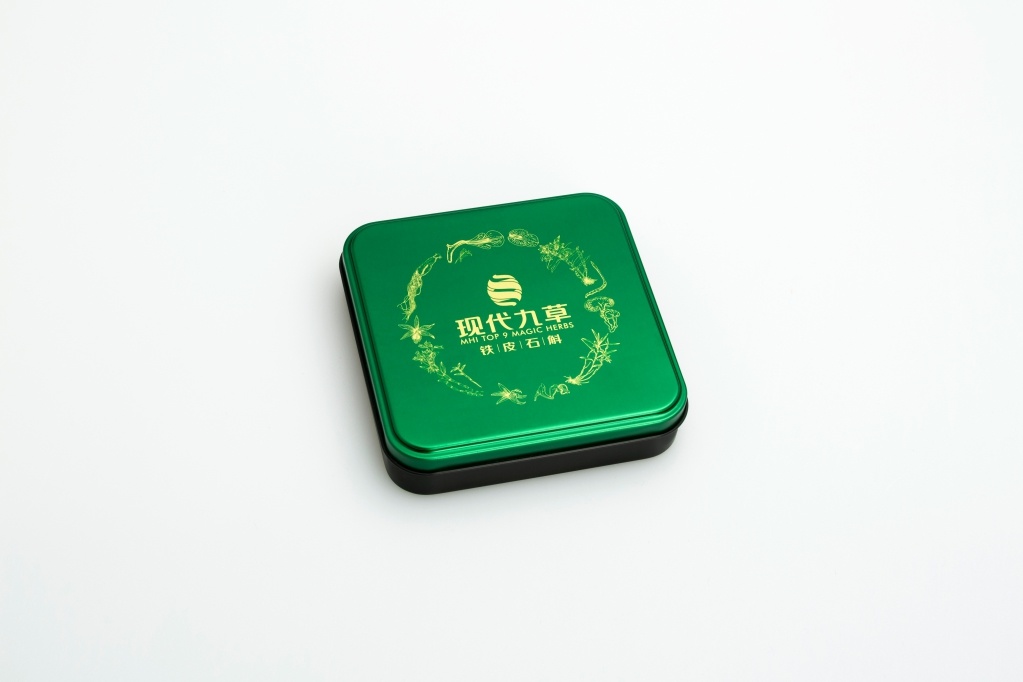
Sample health care tin box solutions from JINGLI CAN – certified for pharmaceutical-grade packaging.