
A Strategic Guide for Industrial Buyers: Evaluating After-Sales Support and Controlling Lifecycle Costs for Convex Mirrors
A Strategic Guide for Industrial Buyers: Evaluating After-Sales Support and Controlling Lifecycle Costs for Convex Mirrors
For procurement professionals in the security and protection industry, selecting a convex mirror supplier extends beyond initial product specifications and price. The long-term operational reliability and total cost of ownership are heavily influenced by the supplier's after-sales service framework. This guide provides a structured approach for industrial buyers to evaluate post-purchase support and implement effective lifecycle cost control strategies for polycarbonate convex mirrors.

Core Elements of After-Sales Guarantee: The 4-Pillar Framework
Reliable after-sales service for industrial safety equipment is built on four measurable standards. These pillars form a checklist for buyers to assess potential suppliers.
1. Warranty Period and Scope
A clear, written warranty is fundamental. For polycarbonate convex mirrors, a standard warranty should cover material defects and workmanship. Industry practice often includes a 3 to 5-year warranty against UV degradation and yellowing for UV-stabilized polycarbonate (PC) mirrors, provided they are installed correctly. Buyers should verify if the warranty covers the mirror surface, the backing material (e.g., high-impact ABS), and mounting hardware separately.
2. Spare Parts Availability and Supply Chain
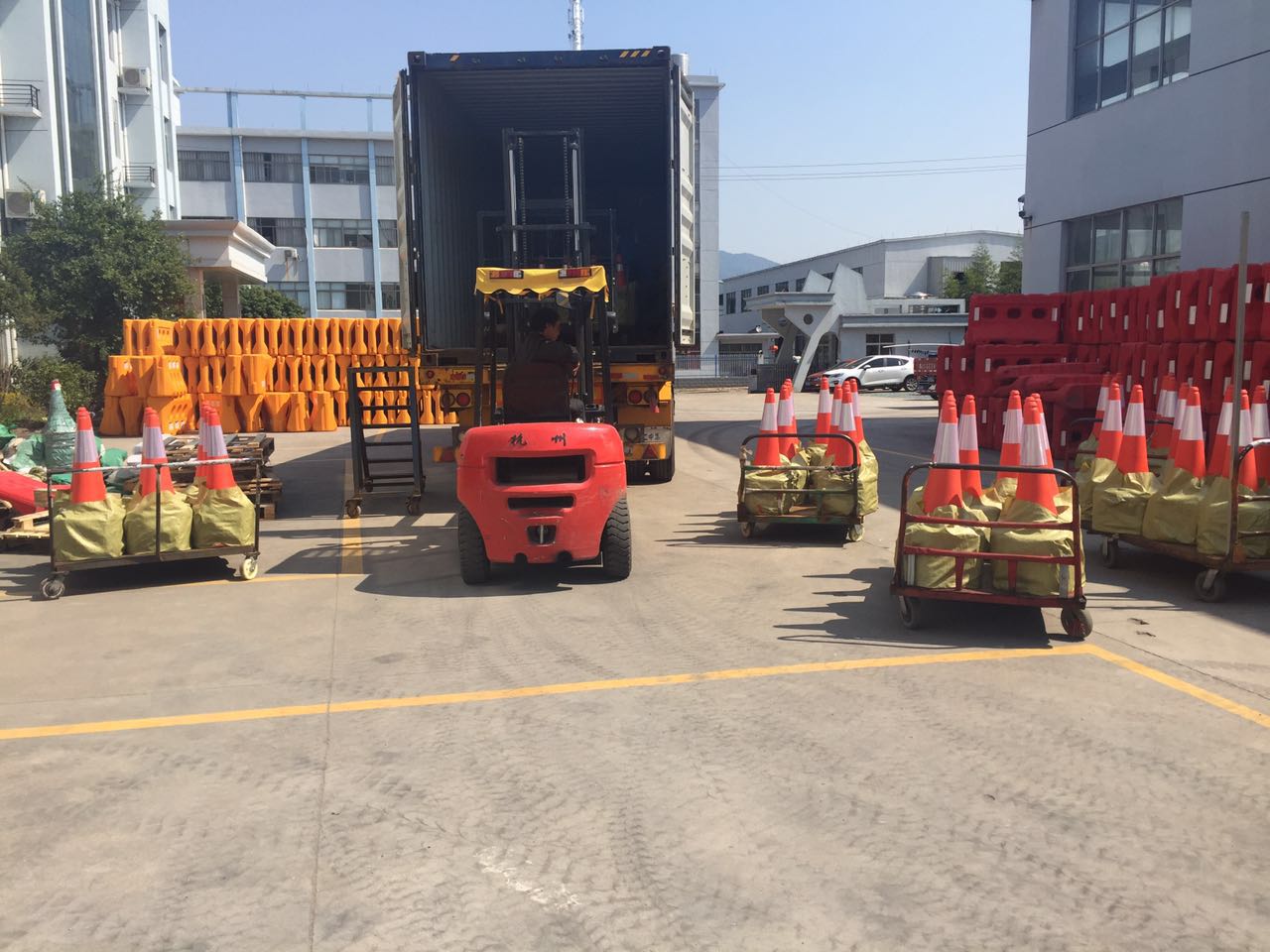
The ability to source replacement parts—such as individual mirror lenses, brackets, or clamps—years after the initial purchase is critical. Suppliers with a robust inventory system can offer faster turnaround. For instance, a manufacturer like Mnsd (Tiantai Yuanda Traffic Device Co., Ltd.) maintains a production capacity of 30,000 units per month, which supports a steady supply of spare components for global clients.
3. Technical Support and Repair Response Time
Define the supplier's protocol for handling malfunction reports. Key metrics include:
- Initial Response Time: The time to acknowledge a technical query.
- Remote Diagnosis Capability: Ability to guide troubleshooting via video call or detailed manuals.
- On-Site vs. Remote Resolution: Most convex mirror issues (e.g., alignment, cleaning, minor bracket adjustment) can be resolved remotely, which is more cost-effective.
4. Global Service Network and Logistics
For international buyers, the supplier's logistics network directly impacts repair time and cost. Suppliers may offer solutions like regional spare parts warehouses, partnerships with local installation/service companies, or consolidated shipping for replacement orders. A supplier exporting to Europe, North America, and Southeast Asia typically has established freight channels that can be leveraged for after-sales logistics.
Buyer's Checklist: After-Sales Evaluation
- Is the warranty period explicitly stated in the contract?
- Does the warranty cover both material failure and performance (e.g., clarity loss)?
- What is the process and typical lead time for ordering a single replacement lens?
- What channels are available for 24/7 technical support (email, WhatsApp, dedicated portal)?
- Are installation guides and maintenance manuals provided in the local language?
Cross-Border After-Sales Solutions from Chinese Suppliers
Procuring from overseas manufacturers, particularly in China, requires a clear understanding of their cross-border support models. Leading suppliers have developed structured approaches to bridge the geographical gap.
Established Support Models
Remote Technical Guidance: This is the most common and cost-effective first line of support. Suppliers provide detailed installation diagrams, video tutorials, and are available via communication apps like WhatsApp or email for real-time guidance. For example, a distributor in Thailand successfully installed a batch of convex mirrors for a road safety project with remote support from their Chinese supplier, ensuring correct placement at blind spots.
Local Partnership Networks: Some manufacturers partner with regional distributors or service companies that can provide on-ground inspection and basic maintenance services. This model transfers the local service responsibility to a trusted partner.
Consolidated Spare Parts Shipment: To balance cost and speed, buyers can pre-order a set of critical spares (e.g., extra brackets, different sized lenses) with their main order. This creates a local buffer stock, reducing downtime from weeks to hours.
Lifecycle Maintenance and Cost Control Strategies
The passive nature of convex mirrors means maintenance is minimal, but proactive care can significantly extend service life and control costs.
Routine Maintenance for Longevity
Regular Cleaning: Dust, grime, and salt spray can reduce reflectivity. Cleaning every 3-6 months with mild soap and water maintains optimal clarity. Avoid abrasive cleaners that could scratch the surface.
Periodic Inspection: Bi-annual checks should verify mounting bracket tightness, pole stability (for pole-mounted units), and the condition of the reflective tape rim (if equipped). This prevents accidents caused by a falling mirror.
Surface Protection: To mitigate surface scratching risks during the product's lifecycle, manufacturers like Mnsd implement specific measures. These include applying a specialized anti-scratch hard coating to the polycarbonate surface during production. This coating, combined with proper cleaning practices, helps maintain optical clarity for years.
Cost Optimization in Procurement and Repair
Standardize Components: When procuring for multiple sites, standardizing mirror sizes and bracket types reduces the variety of spares needed, simplifying inventory management and often securing bulk purchase discounts.
Evaluate Total Cost of Ownership (TCO): While acrylic mirrors have a lower upfront cost, polycarbonate mirrors offer higher impact resistance and longer UV life. A polycarbonate mirror with a 5-year+ lifespan may have a lower TCO than replacing an acrylic mirror twice in the same period.
Understand Repair vs. Replace Thresholds: For polycarbonate mirrors, if the hard coating is severely scratched, the entire lens usually needs replacement. However, if only the steel bracket is damaged, sourcing just the bracket from the supplier is far more economical.
| Model | Diameter | Viewing Range | Key Feature |
|---|---|---|---|
| YD-OC45 | 450 mm | 10–12 m | Compact for indoor/outdoor blind spots |
| YD-OC60 | 600 mm | 15–18 m | Standard for warehouse aisles |
| YD-OC75 | 750 mm | 20–25 m | Common for parking lot intersections |
| YD-OC100 | 1000 mm | 30–35 m | Large area coverage for roadways |
| YD-OC120 | 1200 mm | 35–45 m | Maximum coverage for highway ramps |
Case Reference: Managing a Cross-Border Project with Proactive Support
A European logistics park operator faced visibility issues at multiple loading dock intersections. They selected Mnsd as their supplier for polycarbonate convex mirrors, citing the manufacturer's clear communication on after-sales terms as a deciding factor.
Challenge: The client needed to install over 50 units across a large site with an in-house maintenance team unfamiliar with the product.
Solution & After-Sales Engagement: Prior to shipment, the client received detailed digital installation manuals and a bill of materials for recommended spare parts. Upon receiving the goods, the client's team had questions about bracket assembly. Using the provided WhatsApp contact, they shared photos of the issue and received step-by-step video instructions within hours, resolving the problem without delaying the project.
Outcome: The project was completed on schedule. The client's pre-ordered spare parts kit has been used twice in three years for lens replacements due to accidental forklift contact, with each repair completed in under a day using on-site spares. The long lead-time for international shipping was thus eliminated from the critical repair path.
Conclusion: Building a Risk-Adjusted Procurement Strategy
For industrial buyers, the procurement of safety-critical equipment like convex mirrors must be viewed through a lifecycle lens. A supplier's technical specifications and price are only the first part of the equation. A rigorous evaluation of their after-sales framework—warranty clarity, parts supply chain, and support accessibility—is essential for ensuring long-term operational reliability and predictable costs.
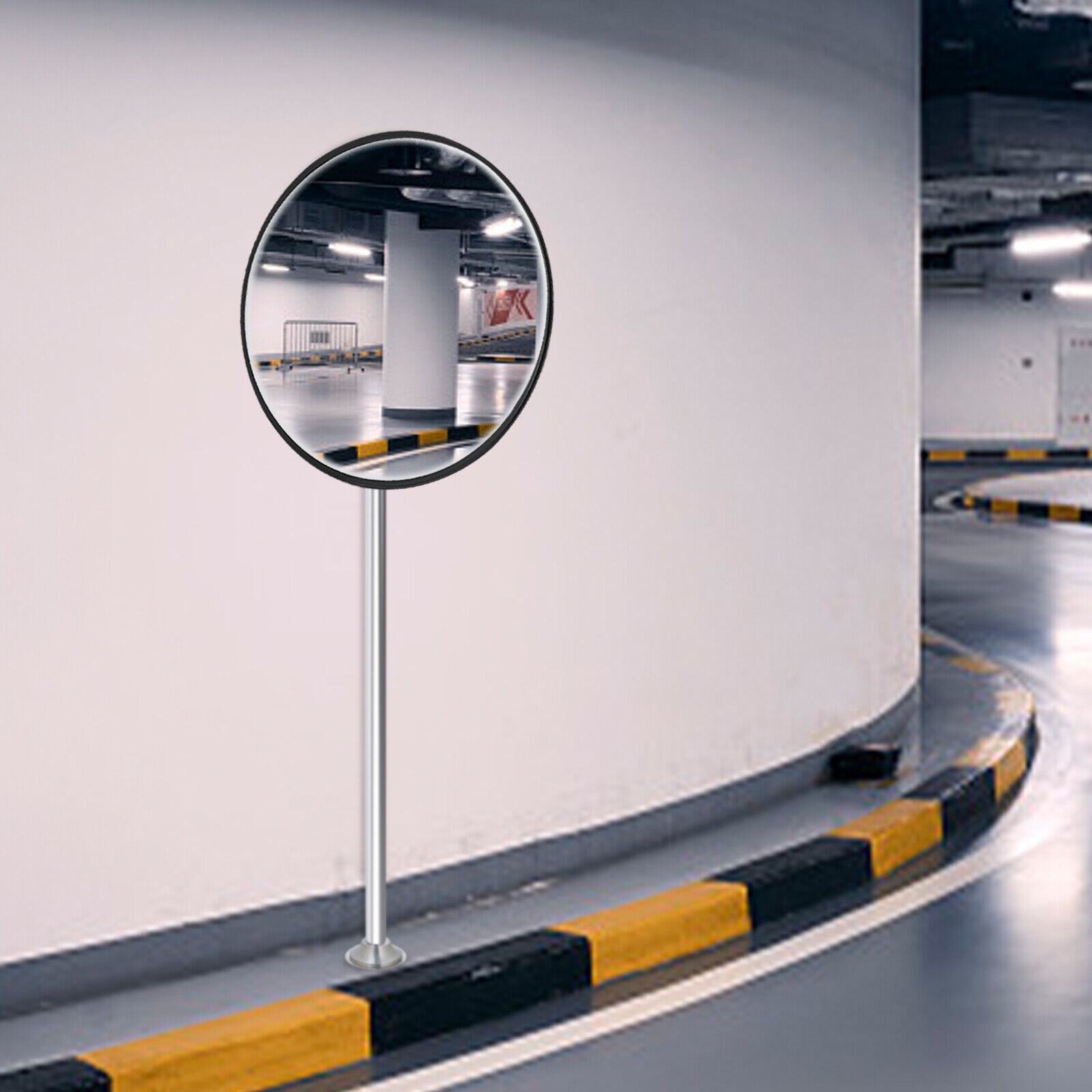
By standardizing components, performing routine maintenance, and leveraging remote support capabilities, buyers can effectively control the total cost of ownership. As illustrated, suppliers like Mnsd demonstrate that effective cross-border after-sales is achievable through structured communication, detailed documentation, and proactive logistics planning, providing a viable model for global industrial procurement.
For a detailed overview of product specifications and company capabilities, download the full product catalog:
Tiantai Yuanda Traffic Device Co., Ltd. - Product Brochure (PDF)