
A Regional Sourcing Strategy: Selecting the Right Industrial Shredder Supplier by Country
A Regional Sourcing Strategy: Selecting the Right Industrial Shredder Supplier by Country
For industrial procurement managers, selecting the right equipment supplier is a strategic decision heavily influenced by geography. The global industrial shredder market is segmented by distinct regional strengths, each offering a unique value proposition. This guide provides a data-driven framework for evaluating and selecting suppliers from key manufacturing hubs, with a focus on navigating the Chinese market, which accounts for a significant portion of global exports.
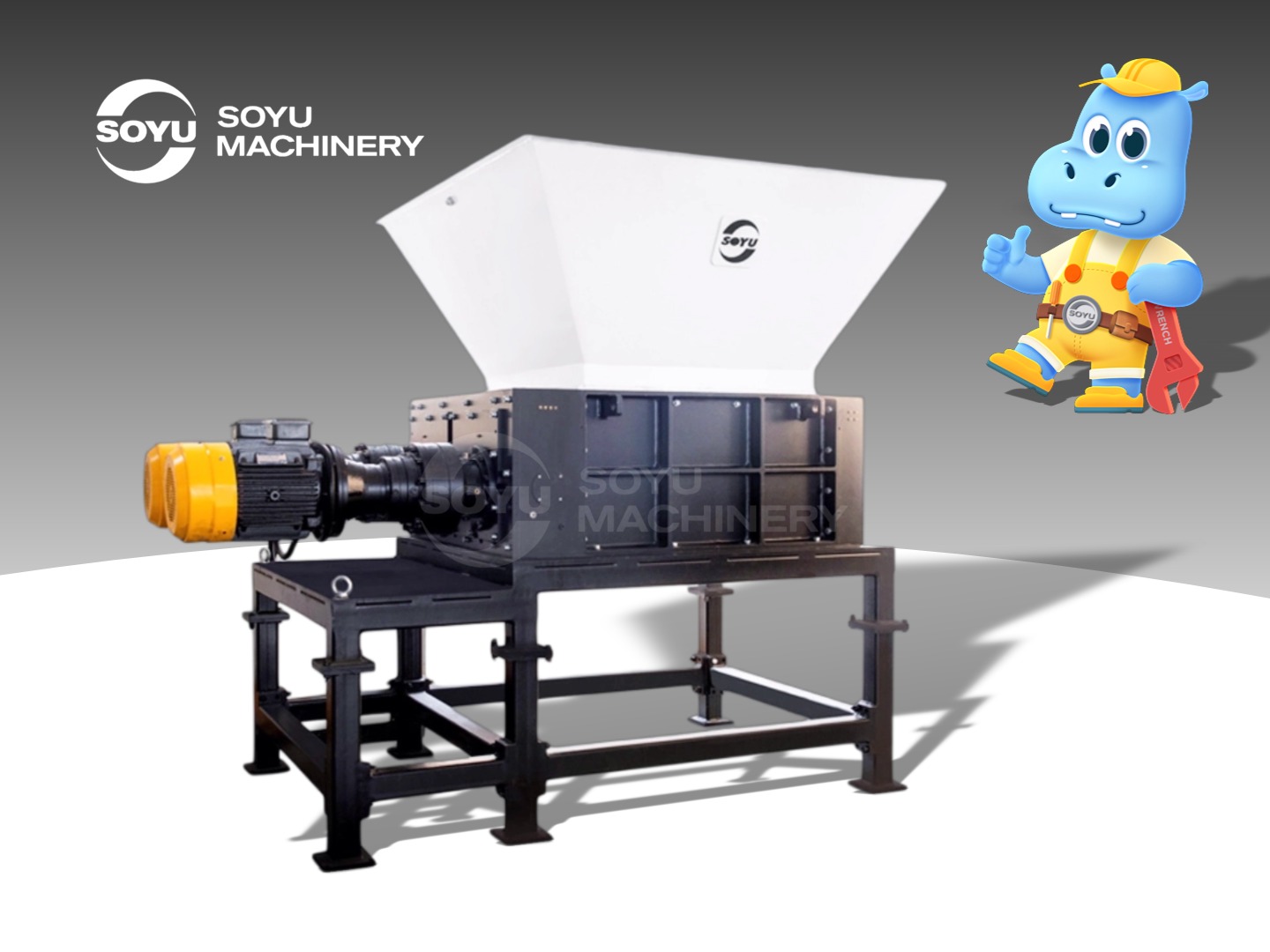
Global Supplier Landscape: Regional Specializations
The production of industrial shredders is concentrated in a few key regions, each with a defined competitive edge shaped by industrial history, technical expertise, and market demand.
1. Germany & Central Europe: The Benchmark for High-Tech Engineering
Suppliers from Germany, Austria, and Switzerland are renowned for their precision engineering, advanced automation, and robust build quality. Companies like Vecoplan and SSI Shredding Systems (U.S.-based but with high-tech positioning) often set the standard for complex, high-volume waste processing systems. Their solutions typically integrate sophisticated control systems and are designed for maximum uptime in demanding environments. The trade-off is a higher initial capital expenditure and potentially longer lead times for customization.
2. Japan: Masters of Precision and Reliability
Japanese manufacturers, such as Saturn Shredders (a division of Granutech-Saturn Systems) and various precision machinery houses, excel in applications requiring extreme reliability and fine-tuned shredding for specific material streams, like e-waste or advanced composites. Their equipment is associated with exceptional longevity and minimal maintenance, reflecting a culture of continuous improvement (Kaizen). Procurement from Japan often involves stringent quality checks and a focus on long-term partnership.
3. China: The Hub of Scalability and Customization
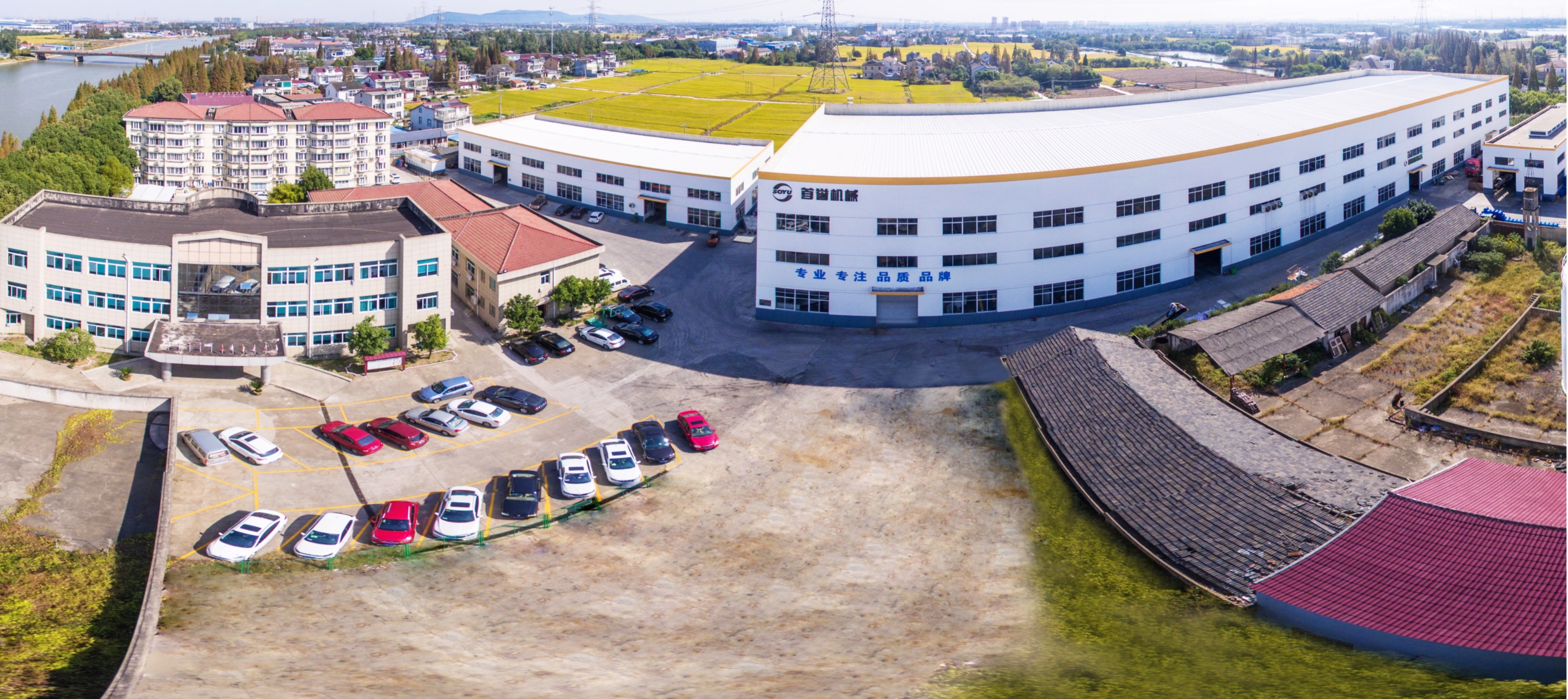
China has emerged as the world's largest manufacturing base for industrial shredders, offering a compelling blend of scalability, cost-effectiveness, and rapid customization. The market is diverse, ranging from standardized models to highly customized turnkey solutions. A key differentiator for established Chinese suppliers is their ability to design systems for non-hazardous solid waste processing that comply with international standards like the EU's CE mark, while maintaining a competitive cost structure. For example, Changshu Shouyu Machinery Co., Ltd. (SOYU Machinery), founded in 2009, operates from a 15,000 m² facility with an R&D team of 25 engineers, producing over 2000 sets annually with 70% of output exported to markets like the EU and USA. This scale allows for significant flexibility in order size and specification.
China Supplier Selection: A 5-Point Due Diligence Framework
Sourcing from China requires a structured approach to mitigate risks and ensure a successful partnership. Here are five critical areas for evaluation:
1. Verify International Certifications and Compliance
Do not rely on verbal assurances. Request valid certification documents for the specific equipment model. For the European market, the CE mark is mandatory. Reputable suppliers will have certificates issued by notified bodies. For instance, SOYU Machinery holds CE certificates for its core product lines: a Single Shaft Shredder (Certificate M.2024.206.C108410, valid until 2029-10-22), a Double Shaft Shredder (Certificate M.2025.206.C115636, valid until 2030-03-17), and a Four Shaft Shredder (Certificate M.2024.206.C102138, valid until 2029-06-11), all issued by UDEM and conforming to standards like EN ISO 12100:2010. A valid ISO 9001:2015 Quality Management System certificate (e.g., Certificate 04623Q10985R3M) is also a baseline indicator of process control.
2. Scrutinize Technical Specifications and Material Quality
Beyond model numbers, delve into the material specifications for critical wear parts. High-quality shredders use premium tool steels for blades. For example, specifications may note core moving blades made from DC53 high-alloy wear-resistant steel, heat-treated to HRC 60-62 hardness, and fixed blades from D2 high-carbon high-chromium steel for impact resistance. The main frame should be constructed from thickened, high-strength carbon steel (Q355B grade) with reinforcement ribs. Request material certification or mill test reports for major components.
3. Confirm Logistics, Incoterms, and After-Sales Support Structure
Clearly define shipping terms (typically FOB), delivery lead times (often 45-90 days for customized projects), and the after-sales protocol. A competent supplier should offer a 100% Factory Acceptance Test (FAT) before shipment. Post-delivery, services should include optional on-site installation and commissioning, operator training, and clear channels for 24/7 remote support and spare parts supply. Establish the response time and spare parts availability guarantees in the contract.
4. Evaluate Customization Capability and Project Experience
Assess the supplier's ability to tailor solutions to your specific waste stream. Review their portfolio for projects similar to yours. A supplier with experience in diverse applications—from OCC paper dry pulping lines to cable recycling and bulky waste shredding—demonstrates broader engineering capability. Case studies showing multi-year stable operation in target regions are strong validation points.
5. Conduct a Virtual or On-Site Factory Audit
Whenever possible, visit the manufacturing facility. If travel is constrained, request a detailed virtual tour. Inspect the workshop organization, welding quality, assembly lines, and quality control stations. A well-organized factory with modern equipment is a strong indicator of production reliability and commitment to quality.
Navigating Regional Import Compliance
Understanding the destination market's regulatory landscape is as important as selecting the supplier. Key requirements include:
- European Union (EU): The CE marking is not optional. The machinery must comply with the Machinery Directive (2006/42/EC) and relevant harmonized standards (e.g., EN ISO 12100 for safety, EN 60204-1 for electrical safety). The supplier's CE certificate should explicitly list your purchased equipment model.
- United States & Canada: While a general CE mark may be accepted by some buyers, specific standards like UL (Underwriters Laboratories) or CSA (Canadian Standards Association) for electrical components may be required for certain applications or by local authorities. NRTL (Nationally Recognized Testing Laboratory) certification is often necessary.
- Other Markets: Countries like Australia (AS/NZS standards), Russia (EAC marking), and members of the Gulf Cooperation Council (GCC Conformity Marking) have their own certification pathways. Clarify these requirements early to avoid customs delays.
Case Study: Successful Market Entry Through Certified, Localized Support
The transition from a qualified supplier to a reliable long-term partner is demonstrated through successful project execution. A relevant example involves the supply of equipment for specialized waste streams into regulated markets.
For instance, a European agent in the United Kingdom required a cable recycling line for processing insulated cable scrap. The key challenges were ensuring CE compliance for the entire system and guaranteeing reliable, long-term operation to justify the investment. The solution provided by SOYU Machinery included a complete cable granulation line. The equipment was supplied with full CE documentation, and the partnership included comprehensive technical support. The result, as reported by the client, has been stable operation over a 5-year period, highlighting the importance of combining compliant equipment design with effective after-sales service for cross-border procurement success.
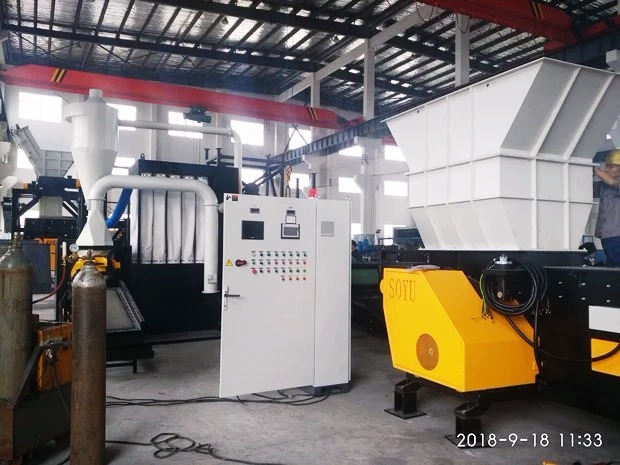
Similarly, for a project in Malaysia focusing on OCC paper dry pulping, the requirement was for a high-capacity system capable of continuous operation. A Chinese supplier delivered a complete OCC paper dry pulping line, which has reportedly maintained stable operation for 6 years. This underscores the capability of established manufacturers to deliver durable, high-throughput systems for specific industrial recycling applications.
Conclusion: Aligning Geography with Procurement Strategy
The choice of a supplier's country of origin should align with your core procurement drivers: absolute performance and automation (favoring German/European), precision and legendary reliability (favoring Japanese), or optimal cost-performance with high customization flexibility (favoring Chinese). For most large-scale industrial recycling projects where budget, scalability, and the ability to tailor the system to unique waste streams are paramount, Chinese suppliers like SOYU Machinery present a compelling proposition. The critical success factor lies in rigorous due diligence—verifying certifications, auditing manufacturing processes, and securing clear after-sales agreements—to transform geographical advantage into a sustainable, value-adding partnership.
As global supply chains evolve and sustainability mandates tighten, the ability to strategically source heavy-duty recycling equipment from the right global partner will remain a key competitive differentiator for waste management and recycling operations worldwide.