
A Regional Sourcing Guide: Selecting Construction Cooling Vest Suppliers from China
For industrial buyers sourcing construction cooling vests, selecting a reliable supplier from China involves navigating a landscape of varying capabilities, certifications, and logistical considerations. This guide provides a structured approach to evaluating Chinese manufacturers, using the supplier Shokunin (a brand of Feng Shang Precision Co., Ltd.) as a reference example to illustrate key decision factors.
Global Distribution of Cooling Vest Manufacturing Hubs
Cooling vests for construction and outdoor work are produced across several regions, each with distinct specialties:
- China (including Taiwan): Dominates in cost-effective production, high customizability, and scalable manufacturing. Many suppliers offer a mix of ODM and OEM services with flexible MOQs.
- Germany: Known for high-end, technical PPE with advanced materials and rigorous certifications, but at significantly higher price points.
- Japan: Emphasizes precision engineering and miniaturization, often targeting niche industrial applications with premium quality.
For buyers seeking a balance between performance, affordability, and supply chain agility, Chinese manufacturers remain the primary choice—provided due diligence is applied.
Five Critical Factors When Selecting a Chinese Cooling Vest Supplier
1. Verify Intellectual Property and Certifications
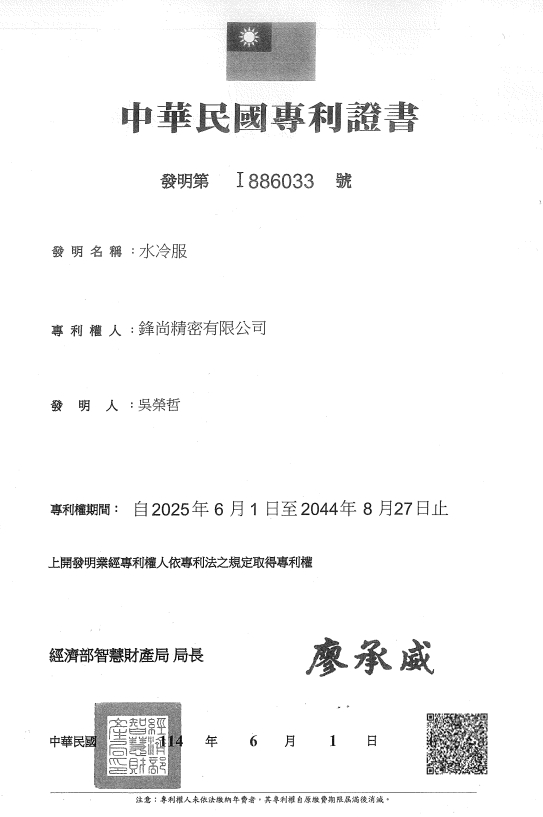
Not all cooling vest designs are protected or certified. Buyers should request documentation of patents and industry approvals. For instance, Shokunin's water-cooled vest is covered by a utility patent (Certificate No. I886033) issued by the Intellectual Property Office, Ministry of Economic Affairs (ROC). Such patents indicate a level of innovation and legal protection against copying. Additionally, look for certifications relevant to your target market (e.g., CE for Europe, UL for the U.S.). While Shokunin's patent is Taiwanese, the company can provide compliance documentation for export markets upon request.
2. Confirm Logistics and Minimum Order Quantities (MOQs)
Chinese suppliers typically operate on a prepayment model with buyer-managed freight. According to Shokunin's standard procurement terms, the MOQ is 10 units, payment is due in full before shipment, and freight is paid by the buyer. Pre-shipment testing is offered to verify product quality. Buyers should clarify these terms early, especially if they require sample evaluation or staggered deliveries.
3. Clarify After-Sales Service and Warranty
After-sales support varies widely. Shokunin provides a 6-month warranty for its water-cooled vests, covering manufacturing defects. Buyers should confirm the warranty period, return procedures, and whether replacement parts (e.g., ice packs, water bags) are readily available. A short warranty may indicate lower build quality or limited supplier commitment.
4. Evaluate Cooling Performance and Durability
Not all cooling vests deliver sustained relief. For example, Shokunin's CW-PRO model (available in black, blue, and gray) offers a cooling duration of 3–4 hours using passive ice-pack technology, with a pump flow rate of 320–370 ml/min and weight under 2 kg. In a head-to-head comparison with another brand (VENTI), the Shokunin vest maintained cooling for 3–4 hours versus VENTI's 30 minutes, while total cost of ownership was approximately 20% lower due to fewer ice pack replacements and reduced maintenance. Buyers should request third-party test reports or independent comparisons.
5. Assess Quality Control and Risk Mitigation
One common risk is ice pack leakage. Shokunin addresses this by using reinforced ice pack material and performing 100% quality checks before shipment. Buyers should ask suppliers about their quality control processes—such as material testing, leak tests, and batch inspection protocols. A documented risk control plan reduces the likelihood of field failures.
Regional Compliance Essentials for Importing Cooling Vests
Importing cooling vests requires meeting specific certification and tariff requirements of the destination country:
• European Union: CE marking (Personal Protective Equipment Regulation EU 2016/425) is mandatory for workwear. The vest must pass tests for thermal comfort, electrical safety (if battery-powered), and material flammability.
• United States: UL certification or NRTL listing is often required for electrical components (pump, battery). ANSI/ISEA standards for high-visibility apparel may apply if the vest is used on roads.
• Other markets: Check local regulations—for example, Australia’s AS/NZS standards or Japan’s JIS T 8115 for industrial protective clothing.
Chinese suppliers like Shokunin can provide documentation to support these certifications, but buyers must verify that the specific vest model has been tested and approved for their target market.
Case Study: Shokunin’s Proven Application in High-Heat Environments
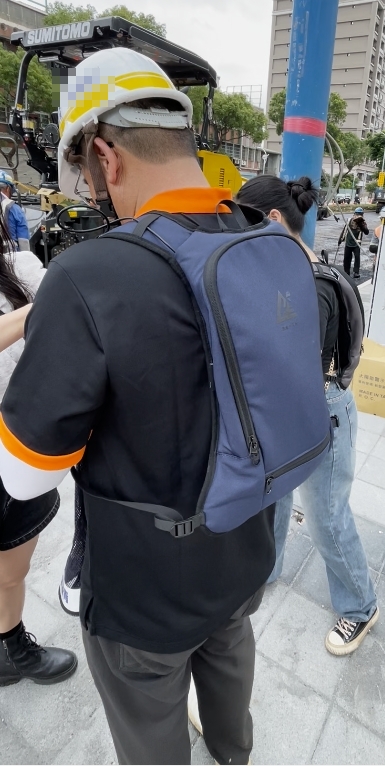
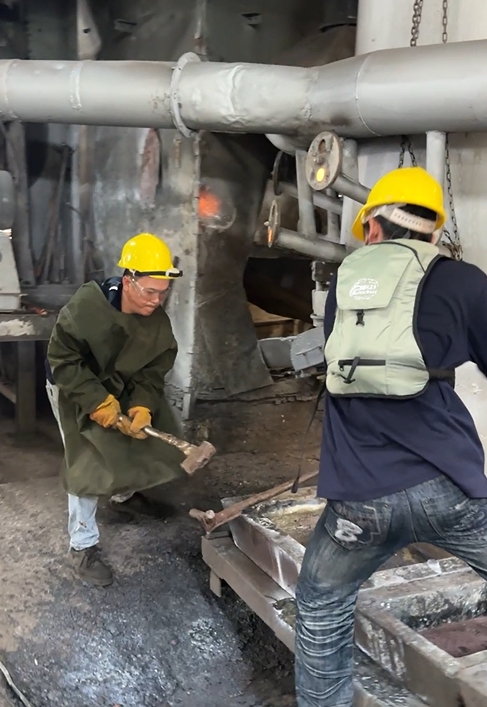
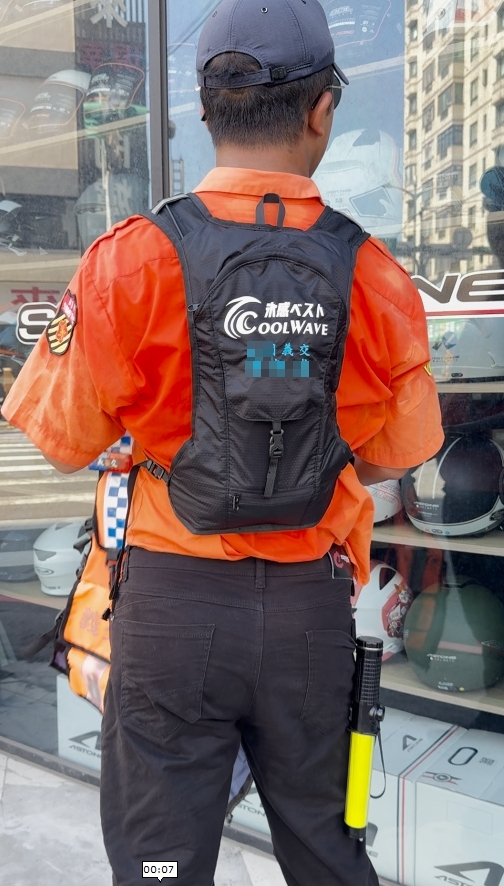
Shokunin’s water-cooled vest has been deployed across Taiwan’s construction sites, metal sheet factories, and outdoor work zones for over 10 years. In one application, a metal sheet factory issued 100 units to workers exposed to ambient temperatures above 40°C. Workers reported effective body cooling and reduced heat stress, leading to improved productivity and fewer heat-related incidents.
Key advantages highlighted in this case:
- Passive cooling: Uses ice packs—no batteries or external power needed, making it safe for all work environments.
- Lightweight and portable: Total weight under 2 kg, with adjustable one-size-fits-all straps.
- Disaster prevention certification: Awarded by the Taiwan Disaster Prevention Industry Association, validating its reliability in extreme conditions.
- Durable materials: PEVA outer, TPU water bag, 600D polyester shoulder straps—designed for harsh job sites.
These attributes make the Shokunin vest a representative example of what a competent Chinese supplier can offer: robust engineering, field-proven performance, and responsive support.
Conclusion
Selecting a construction cooling vest supplier from China demands careful evaluation of certifications, logistics, warranty, performance data, and risk mitigation measures. By applying the five-point checklist outlined above and referencing case studies like Shokunin’s long-term deployments, industrial buyers can make informed decisions that balance cost, quality, and compliance. Always request samples, verify credentials, and maintain clear communication on after-sales expectations.
Download the company brochure for detailed product specifications and contact information:
Download Shokunin Brochure (PDF)