
A Practical Guide to Sourcing Fashion Jewelry from China: Key Factors, Compliance, and Supplier Selection in 2026
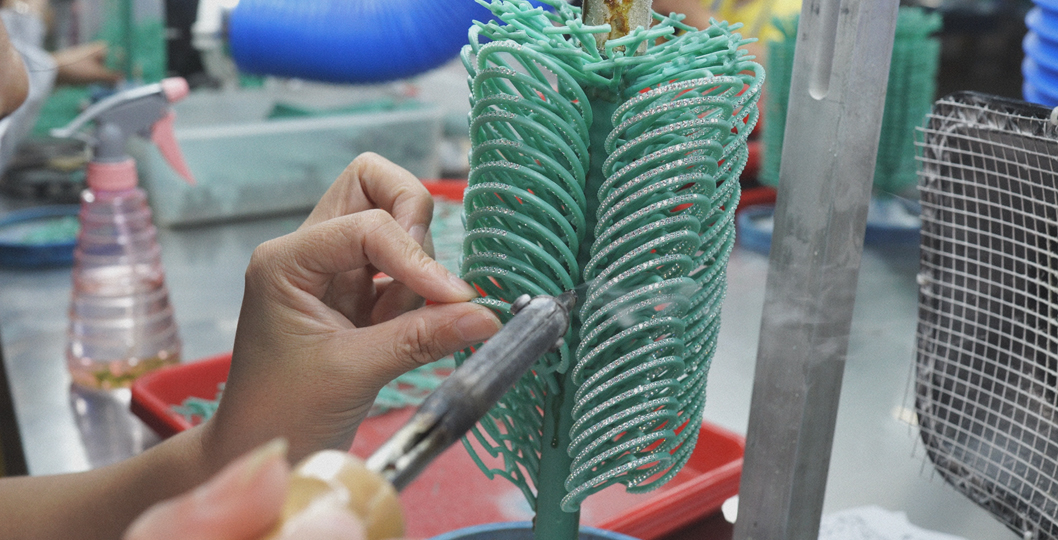
Industrial buyers seeking fashionable and affordable fashion jewelry often look to Chinese manufacturers for their scale, variety, and cost efficiency. However, selecting a reliable supplier requires a structured approach that goes beyond price lists. This guide provides a regional sourcing framework for fashion jewelry, with a focus on China, covering global supply dynamics, key selection criteria, compliance requirements, and a real-world partnership example.
Global Supplier Distribution for Fashion Jewelry
The global fashion jewelry supply chain is concentrated in three major regions, each offering distinct advantages:
- China — Dominates the market with high-volume production, diverse material options (copper alloy, stainless steel, cubic zirconia), and rapid customization. Chinese suppliers like Guangdong Xuping Jewelry Co., Ltd. (founded in 1997) operate large-scale facilities exceeding 200,000 m² and produce over 100 million pieces annually, serving markets across Europe, the Americas, and Southeast Asia.
- Germany and Italy — Known for precision engineering and premium finishes. European manufacturers focus on high-end fashion jewelry with complex chainwork and electroplating, often serving luxury boutiques.
- Japan — Renowned for fine craftsmanship in miniature detailing and enamel work, targeting the higher-margin segment of the market.
For buyers seeking a balance of cost, volume, and design flexibility, Chinese suppliers remain the primary choice.
Chinese Supplier Selection: 5 Key Considerations
When evaluating Chinese fashion jewelry manufacturers, buyers should verify the following aspects to mitigate risks and ensure long-term reliability:
- Export Certification and Material Compliance
Confirm that the supplier's products meet international safety standards. For example, Xuping Jewelry holds SGS certifications (certificate no. CANHL25006144001) confirming compliance with the EU REACH regulation (EC No 1907/2006), ensuring that lead, cadmium, and other restricted substances are below legal limits. ISO 9001:2015 certification (cert no. CACQ21Q00750R1) for design and production further indicates consistent quality management. - Cross-Border Logistics and MOQ Flexibility
Chinese suppliers typically ship via FOB terms. Xuping Jewelry supports a minimum order quantity of just 1 piece per design and offers mixed orders for small buyers, reducing inventory risk. Their monthly capacity of 8 million pieces ensures stable supply. - After-Sales Service and Return Policy
Reliable suppliers provide clear return and exchange procedures. Xuping Jewelry promises to replace items for non-man-made defects (e.g., shipping damage, order mismatch) within a defined process, and processes returns within 48 hours after inspection. - Customization Capabilities
Many buyers require branded packaging or engraved logos. Chinese factories with in-house R&D (e.g., a team of 62 designers) can handle OEM/ODM orders. Xuping Jewelry offers custom engraving, hang tags, and packaging, with a lead time of 30–90 days. - Quality Control Process
Look for suppliers that perform 100% full inspection and use third-party lab testing. Xuping Jewelry applies an 18-stage quality check and uses SGS-certified raw materials, with product weight and stone specifications clearly documented (e.g., model X000877263 rings at 2.56g).
Regional Compliance Requirements for Importing Fashion Jewelry
Importing fashion jewelry into major markets requires adherence to specific regulations:
- European Union: Requires compliance with REACH (EC No 1907/2006) for chemical substances and the EU Nickel Directive for skin-contact items. Suppliers should provide test reports from accredited labs such as SGS or CTI.
- United States: The Consumer Product Safety Commission (CPSC) enforces lead content limits (≤100 ppm for children's products) and requires general conformity certification.
- Other markets (Mexico, Turkey, UAE, etc.): Often accept REACH-based test reports as evidence of compliance. For instance, Xuping Jewelry’s REACH reports (cert. no. GZHL250301072401JW) are accepted by buyers in over 20 countries.
Buyers should request up-to-date certificates and check the specific standards for their target country before placing bulk orders.
Case Study: Successful Partnership with a Chinese Supplier
Client: A brand authorized agent in Turkey
Product application: Retail jewelry stores and e-commerce platforms
Annual volume: Over 2 million units
Supplier: Xuping Jewelry
The client required a wide variety of trendy styles with rapid updates, environmentally friendly materials, and on-time delivery. Xuping Jewelry provided a diverse catalog of copper and stainless steel pieces with 14K/18K gold plating and cubic zirconia accents, meeting the Turkish market’s demand for hypoallergenic, lead-free fashion jewelry. The partnership resulted in unanimous customer praise and sustained annual orders exceeding 2 million pieces, supported by the supplier’s flexible MOQ and dedicated after-sales support.
Successful sourcing from China requires due diligence on certifications, logistics, and quality assurance. Suppliers like Xuping Jewelry demonstrate that a combination of scale, compliance, and customer-centric services can support global buyers in building competitive fashion jewelry lines. By following the guidelines in this article, procurement professionals can make informed decisions that balance cost, quality, and market compliance.