A Practical Guide to Sourcing CNC Waterjet Cutting Machines: From Specification to Delivery for Industrial Buyers
Introduction: Navigating the CNC Waterjet Sourcing Process
Procuring a CNC waterjet cutting machine represents a significant capital investment for industrial operations. The process, especially when sourcing internationally, involves multiple technical, commercial, and logistical steps. This guide provides a structured, step-by-step framework for industrial buyers to efficiently complete the procurement of a CNC waterjet cutter while mitigating common risks associated with cross-border transactions. The focus is on actionable insights, from defining specifications to final delivery and acceptance.
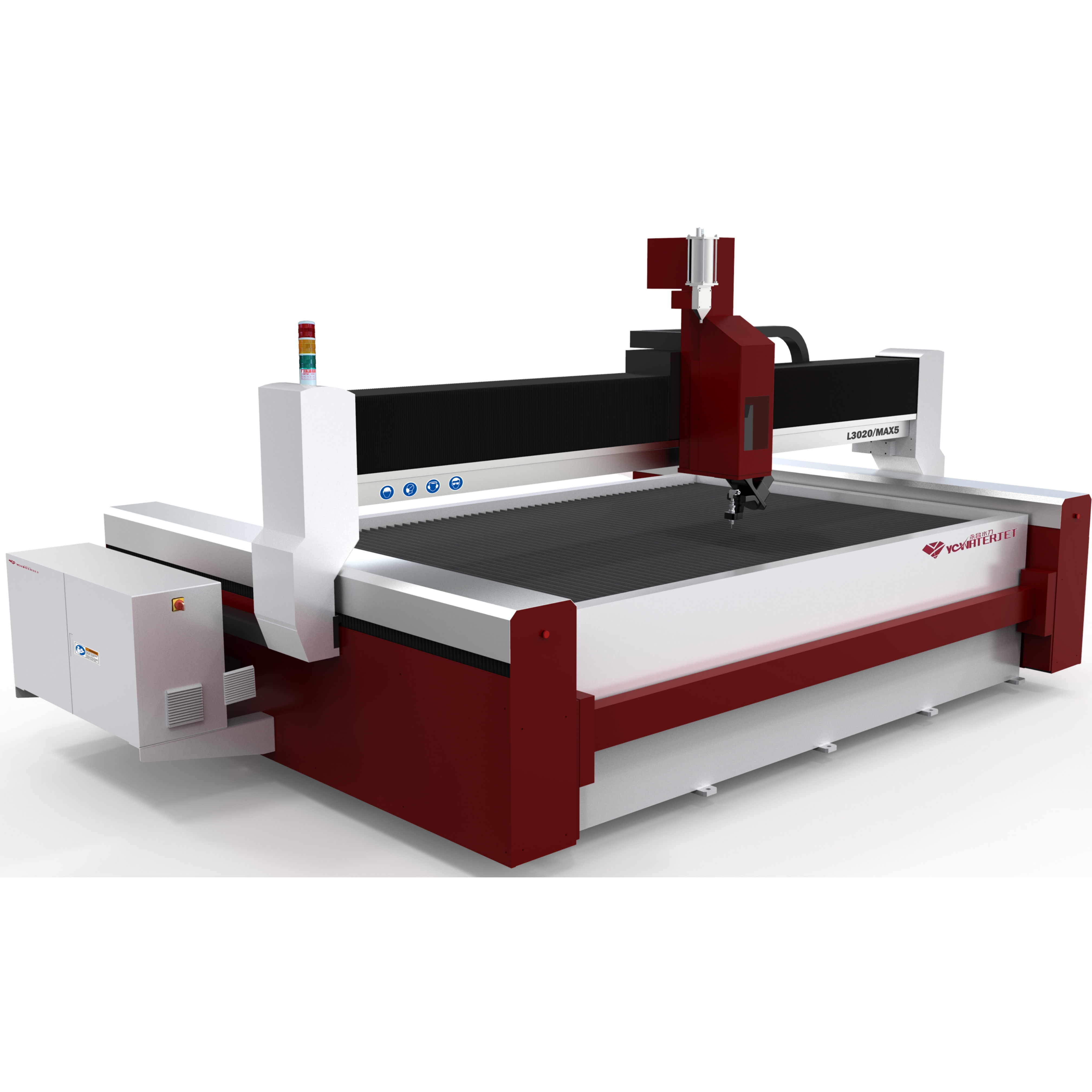
Figure 1: A 5-axis CNC waterjet cutting system, illustrating the complexity of equipment that requires careful procurement planning.
Phase 1: Pre-Procurement Preparation – Defining Core Requirements
Before engaging with suppliers, clearly define three core elements. This internal clarity prevents scope creep and ensures you receive accurate quotations.
1. Technical Specifications
Determine the machine's required capabilities based on your primary materials and applications. Key parameters include:
- Axis Configuration: 3-axis for flat sheet cutting, or 5-axis (3D MAX or Dynamic) for complex 3D contours. For example, a yacht manufacturer in Mauritius required a 5-axis system for precise aluminum plate cutting.
- Cutting Area: Common sizes range from 1500x1500mm (L Series) to 4000x2000mm (E Series) and larger gantry systems (G Series).
- Pressure & Power: Maximum pressure (e.g., 4137 bar/60,000 psi) and pump power (e.g., 100 HP/75 kW) dictate cutting speed and material thickness capability.
- Accuracy: Standard cutting accuracy is ±0.1mm with positioning accuracy of ±0.025mm.
- Special Functions: Options like integrated pre-drilling (to prevent composite delamination), laser height measurement, or automatic sludge removal.
2. Budget Framework
Establish a total budget that includes the machine, optional accessories, shipping, insurance, import duties, and installation. A common industry estimate allocates 15-25% of the machine cost for ancillary expenses in a cross-border purchase.
3. Compliance & Certification Requirements
Verify mandatory certifications for your region. For the European Union, the CE mark is essential. Suppliers like YC Waterjet hold a Verification of Conformity (CE certification) for their waterjet cutting machines (Certificate No. ICR/VC/HM2308122, valid until 2028-08-23), conforming to machinery and electrical safety standards. A global ISO 9001:2015 certification for quality management systems is also a valuable indicator of consistent manufacturing processes.
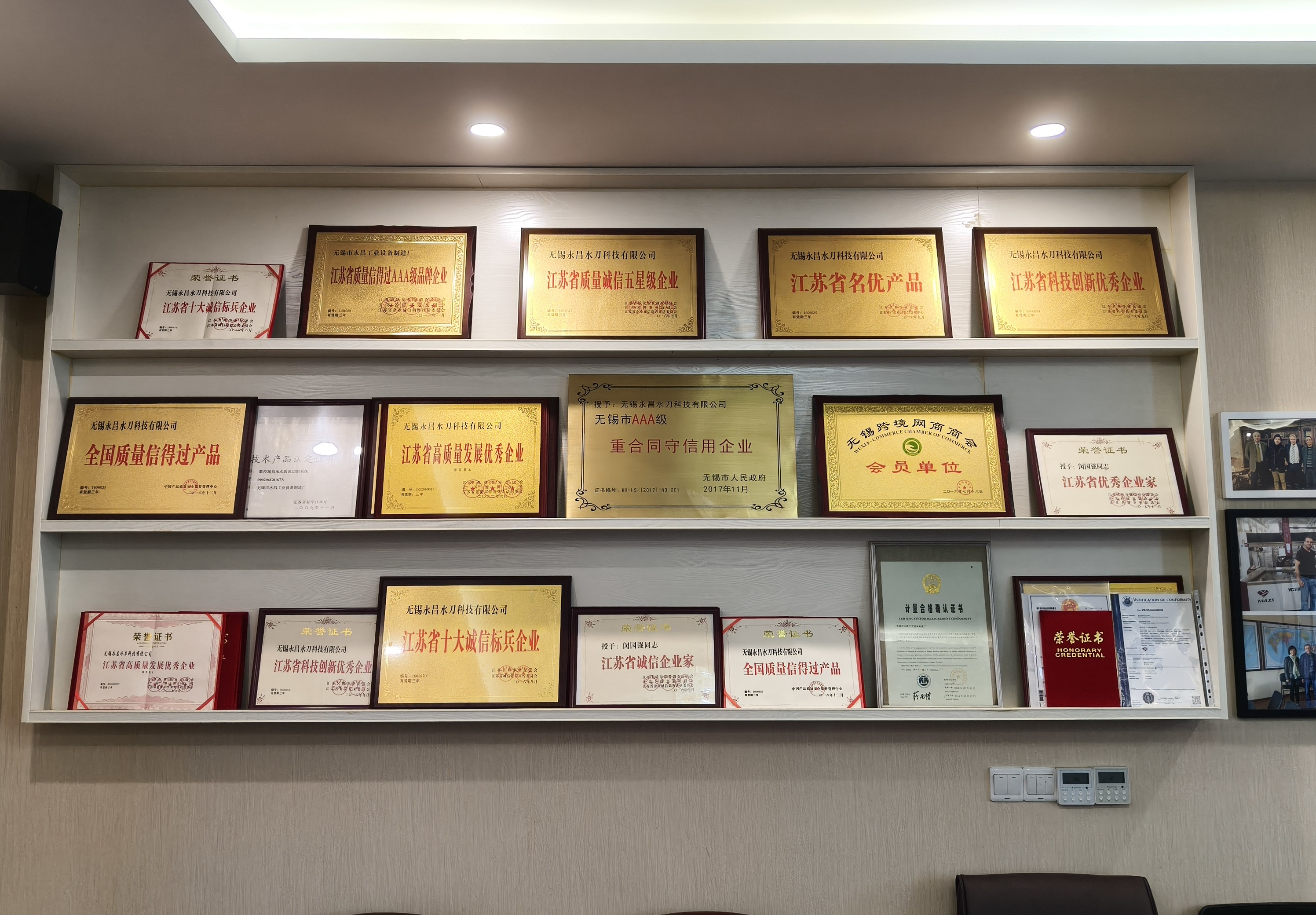
Figure 2: Certifications such as CE and ISO 9001 are critical for ensuring regulatory compliance and manufacturing quality.
Phase 2: Supplier Negotiation – Key Contractual Points
Once a shortlist of qualified suppliers is established, negotiations should focus on concrete terms beyond the base price.
1. Minimum Order Quantity (MOQ) and Payment Terms
For capital equipment like waterjets, the MOQ is typically one set. A common payment structure involves a 30% deposit upon signing the contract, with the remaining 70% balance paid before shipment. This structure aligns supplier commitment with buyer risk.
2. Quotation Breakdown
Request a detailed, line-item quotation. It should separate the cost of the machine, high-pressure pump (e.g., YCG-3742 model), CNC system, cutting head type (3-axis, 5-axis), optional features, and standard spare parts. This transparency allows for accurate comparison and future budgeting.
3. Delivery Timeline and Incoterms
Confirm the lead time, which can range from 30 to 45 days for standard configurations. Crucially, agree on the International Commercial Term (Incoterm). Delivery can be arranged under various terms—such as EXW, FOB, CIF, or DDP—subject to negotiation. The chosen term defines where risk and cost transfer from seller to buyer.
4. Warranty and After-Sales Support
Standard warranty often covers the machine (excluding consumables) for one year against non-manual defects. Clarify the scope of after-sales support: remote guidance (via manual, video), availability of on-site engineers (with costs typically borne by the client), and response time for technical queries.
Negotiation Insight: Suppliers with a long operational history, such as YC Waterjet founded in 1999, often have established global support networks. For instance, they have provided after-sales service in markets like Mauritius and Germany, indicating experience in managing international client relationships.
Phase 3: Cross-Border Procurement Process from China
Sourcing from China, a major manufacturing hub for CNC waterjets, involves a defined sequence of steps.
- Order Confirmation & Contract: Finalize the technical specification sheet, commercial terms, and payment schedule. Ensure the contract includes the agreed Incoterm.
- Production & Follow-up: Upon receipt of the deposit, production begins. Request periodic updates, such as photos from the assembly workshop. A supplier with a 7,000 m² production base typically has structured processes for this.
- Pre-Shipment Inspection & Logistics: Insist on a formal ex-factory test as part of the acceptance process before shipment. This is a critical checkpoint. Following the test, the supplier or a freight forwarder arranges logistics (sea or air freight) and export documentation based on the Incoterm.
- Customs Clearance & Delivery: For terms like DAP or DDP, the supplier's agent handles import customs clearance in the destination country. For FOB or CIF, the buyer arranges this. Upon arrival, schedule the final installation and commissioning, which may involve the supplier's technicians.
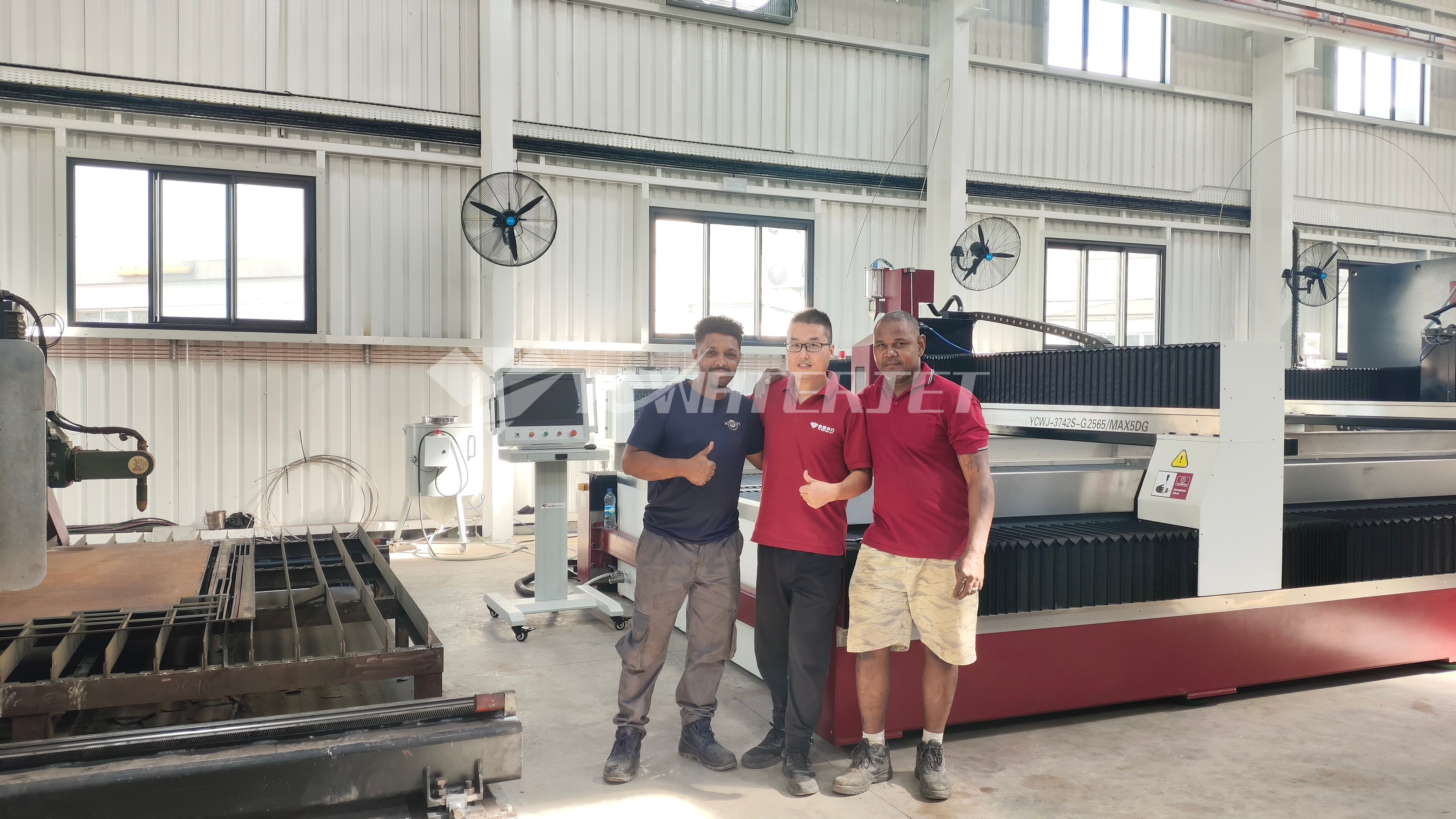
Figure 3: On-site after-sales support is a key component of successful cross-border equipment procurement and installation.
Phase 4: Risk Mitigation Strategies for Buyers
Proactively addressing common risks is essential for a successful procurement outcome.
Risk 1: Quality or Performance Non-Conformance
Scenario: The delivered machine does not meet the specified cutting accuracy or lacks a certified feature.
Mitigation: The mandatory ex-factory test is the primary defense. Witness this test remotely via video if possible. Additionally, source from suppliers that use recognized core components (e.g., Hypertherm intensifiers from the USA) and hold relevant certifications, which serve as indirect quality benchmarks.
Risk 2: Delivery Delays
Scenario: Production or shipping delays disrupt your project timeline.
Mitigation: Build buffer time into your project plan. Choose suppliers with a documented production capacity (e.g., an annual output of 100 sets indicates scale) and clear lead times. Include liquidated damages clauses for significant delays in the contract.
Risk 3: Lack of Post-Sale Support
Scenario: Difficulty obtaining spare parts or technical assistance after installation.
Mitigation: Evaluate the supplier's after-sales structure. Look for evidence of long-term support, such as a 10-year ongoing relationship with a client in Germany for stone cutting applications, or service cases in diverse regions like Thailand and Austria. Clear warranty terms and accessible contact channels (email, WhatsApp) are essential.
Procurement in Practice: The Mauritius Yacht Manufacturer
A yacht builder in Mauritius sourced a double-gantry 5-axis waterjet (model YCWJ-3742S-G2565MAX5DG) for cutting marine-grade aluminum. Their procurement process highlighted key steps: defining the need for 5-axis contouring, negotiating payment terms (30% deposit), conducting a pre-shipment inspection, and utilizing the supplier's after-sales service for installation support. The result was precision-cut components with no thermal deformation, meeting marine standards.
Conclusion: Building a Strategic Sourcing Framework
Efficient procurement of a CNC waterjet cutting machine is a strategic exercise that blends technical understanding with commercial diligence. By methodically working through the phases of preparation, negotiation, logistics, and risk management, industrial buyers can secure equipment that meets their operational needs reliably and within budget. The growing adoption of intelligent pressure control and multi-axis systems underscores the importance of partnering with suppliers that demonstrate both technical capability and a proven track record in global project execution and support. A disciplined approach transforms the procurement process from a transactional purchase into a strategic investment in manufacturing capability.