
A Practical After-Sales Service Guide for Industrial Buyers: Selecting Hearing Aid Suppliers with Robust Support and Cost Control
For industrial buyers sourcing hearing aids—whether rechargeable hearing aids, hearing amplifiers for seniors, or invisible hearing aids—the initial purchase price is only part of the total cost equation. The true measure of value lies in the long-term reliability of the product and the responsiveness of the after-sales service network. This guide provides a practical framework for evaluating suppliers on their ability to guarantee service, control repair costs, and minimize downtime, using Flysound as a benchmark for best-in-class support.
1. Core Elements of Exceptional After-Sales Support
An industrial buyer must look beyond a supplier's product catalog. The four pillars of reliable after-sales service are:
- Warranty Period & Coverage: A standard warranty is typically 1-2 years for rechargeable hearing aids for seniors and hearing aid with bluetooth devices. Leading OEMs like Flysound offer a 2-year warranty covering manufacturing defects in electronics, batteries, and receivers, demonstrating confidence in their product quality.
- Spare Parts Supply & Lead Time: The availability of critical components—such as custom ear domes, charging contacts, and rechargeable battery packs—is crucial. Industry best practice dictates a 98% fill rate within 7 working days for standard parts.
- Repair Response Speed: For a logistics buyer managing a global supply chain, a 24-hour remote technical diagnostic service is essential. A factory repair turnaround time of 5–7 working days upon receiving a unit is considered excellent.
- Global Service Network: A single warehouse is insufficient. Strategic suppliers have, or are developing, regional service hubs and partnerships with local service centers to support hearing aides across multiple continents.
2. Cross-Border After-Sales Solutions from Chinese OEMs
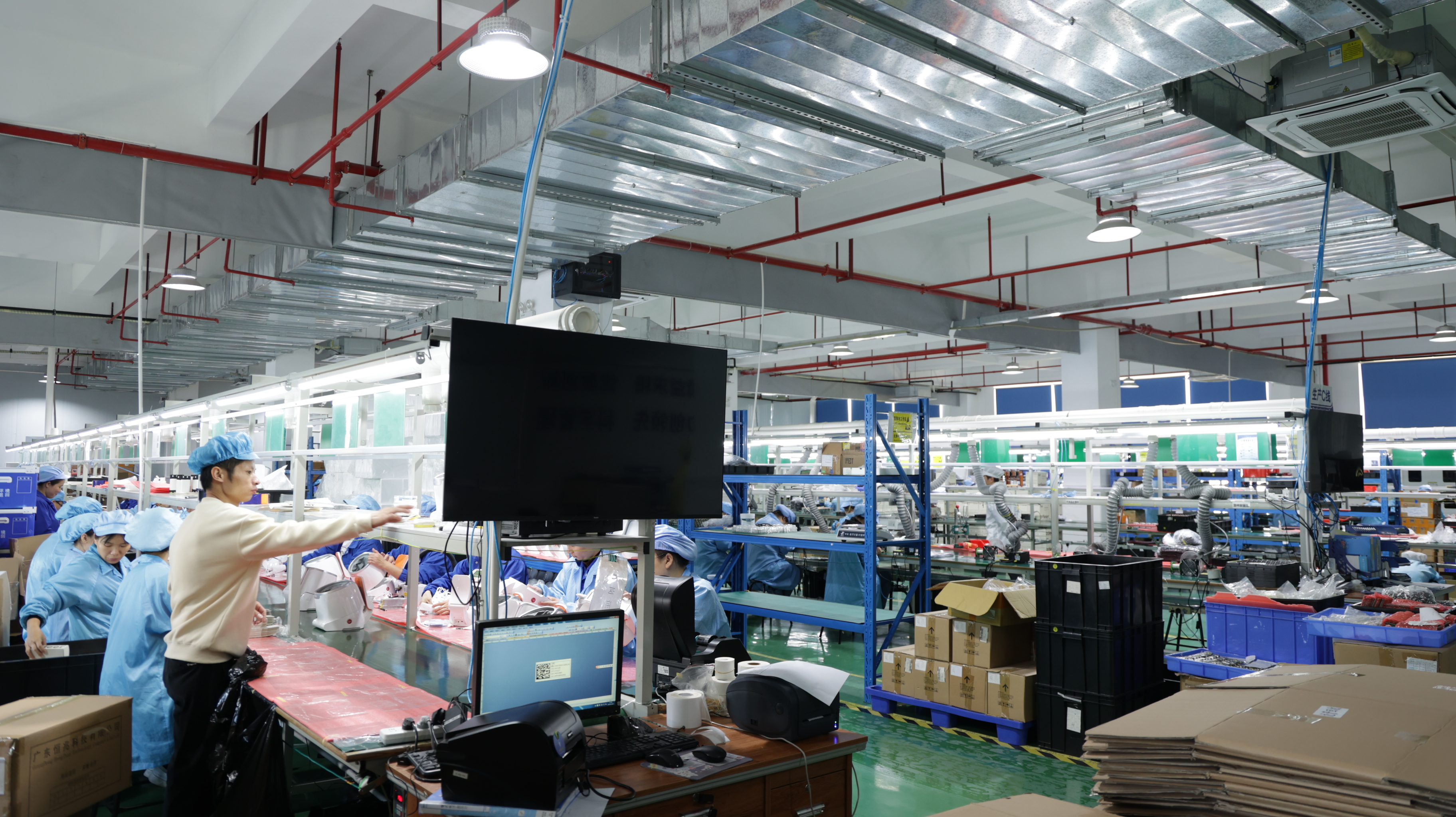
Chinese suppliers, driven by ISO9001 and ISO13485 certified facilities like Flysound's 18,000 m² factory in Shenzhen, have pioneered hybrid support models for international clients:
- Local Parts Warehousing: Leading OEMs are establishing small, local parts buffers in key markets (e.g., EU, UK, US) with a partner logistics provider, enabling 3–5 day spare part delivery for urgent repairs.
- Remote Technical Support (RTS): Advanced suppliers offer 24/7 live chat and video-call support from their in-house engineering teams. This is invaluable for troubleshooting bluetooth hearing aids for seniors pairing issues or software configuration for aparatos auditivos para sordos adultos.
- Authorized Repair Partner Program: Instead of shipping every faulty device back to China, reputable OEMs train and certify local repair partners in distributor territories. This drastically reduces shipping costs and turnaround time.
- Component-Level Repairability: Flysound designs its H8 PureHear Pro RIC and H9 Nature Pro BTE series with modular components (receiver, battery, microphone), allowing for lower-cost, targeted repairs rather than full unit replacement.
3. Controlling Maintenance Costs: A Buyer's Playbook
Reducing total cost of ownership (TCO) requires a proactive maintenance strategy:
- Daily & Weekly Care: 80% of common issues (reduced volume, static) are caused by earwax or moisture. Regular cleaning with the provided kit, and using a drying dehumidifier chamber, can extend the lifespan of hearing aids for women and all models by 20–30%. This is an industry estimate based on manufacturer returns data.
- Battery Management for Rechargeable Units: Avoid fully depleting the battery. Partial recharges prolong lithium-ion cell life. Flysound's rechargeable hearing aids use certified cells (IEC 62133-2) that maintain 80% capacity after 800 charge cycles, reducing annual replacement costs.
- Standardization of Parts: Choose suppliers who use standard, interchangeable components for their product lines. This reduces the need for stocking dozens of unique parts. Flysound uses a common receiver and dome platform across its core models.
- Annual Preventive Maintenance (APM): A professional cleaning and calibration check once a year (costing $30–$50 U.S. dollars) can prevent major failures like clogged microphones or degraded contact pins, which would otherwise cost $100–$200 to repair.
4. Case Study: Rapid Response in Europe
The Challenge: A European chain of audiology centers, clients of Flysound, sourced 1,000 units of the H8 PureHear Pro RIC model for their senior patient base. Within three months, a small batch (less than 2%) began exhibiting intermittent connectivity issues with the user's hearing aids rechargeable charging cases.
The Flysound Solution:
- 24-Hour Remote Diagnosis: Within hours of the report, Flysound's support team conducted a remote diagnostic session, identifying a firmware alignment bug in the charging case's power management IC. This was not a hardware defect.
- Remote Fix & Updated Parts: The engineering team developed a firmware patch and sent a firmware update kit (a simple charging case interface tool) to the client via DHL, arriving in 5 working days.
- Preventive Replacement: For the 20 affected charging cases, Flysound pre-shipped replacements while authorizing the local partner to return the faulty units at a consolidated monthly schedule, avoiding exorbitant expedited freight costs.
The Result: Downtime for the end-user was under 72 hours. The total cost of the incident for the buyer was zero for parts and labor under warranty, with only a small administrative overhead for returning the faulty units. The relationship was strengthened, and the client placed a follow-up order for 500 units of the new H9 Nature Pro BTE.

Conclusion: Building a Partnership for Lifecycle Value
The selection of a hearing aid supplier is not a one-time transaction. Industrial buyers must prioritize partners who offer a structured, transparent, and cost-effective after-sales framework. A manufacturer like Flysound, backed by a team of over 100 R&D engineers and holding certifications such as FCC, ISO13485, and French Design Awards, provides more than just a product; they provide a lifecycle service that mitigates risk and protects your brand reputation. By applying the standards and strategies outlined in this guide, you can make a data-driven decision that ensures long-term operational excellence and cost control.