
A Cost Control Playbook for Structurally Complex Rigid Boxes: Strategies for Global Industrial Buyers
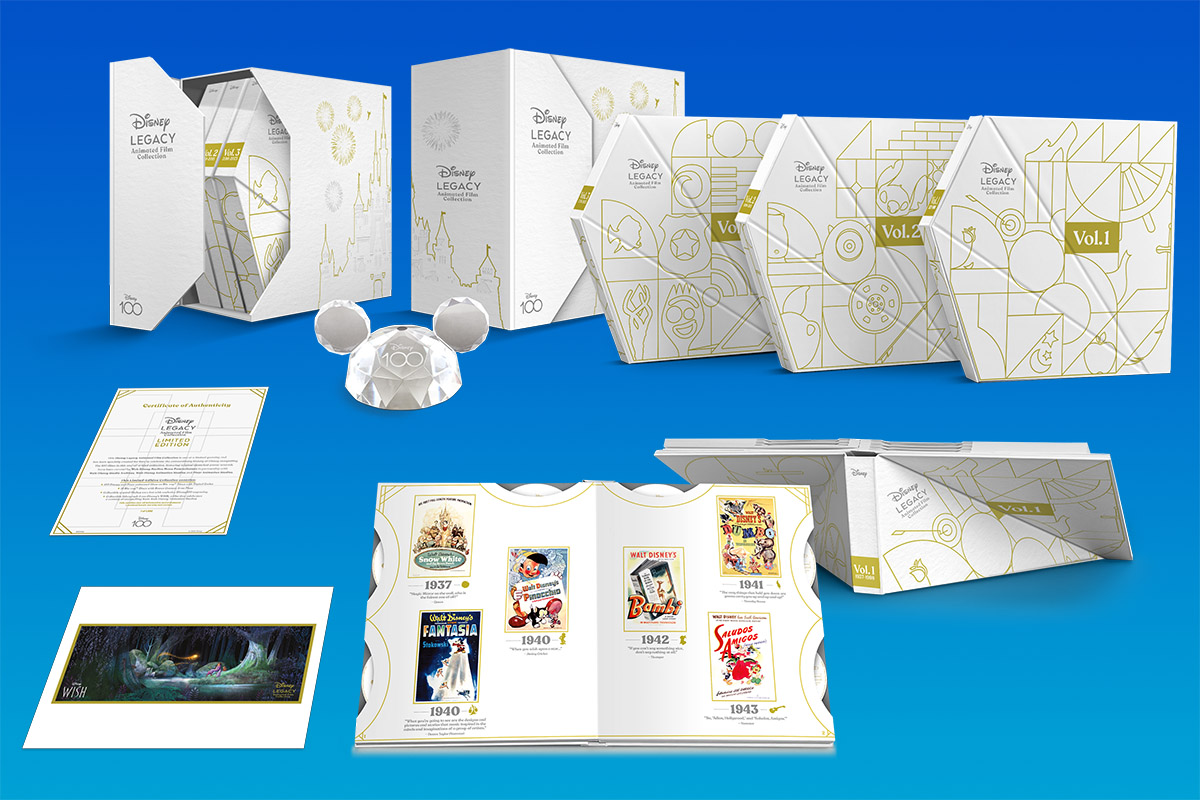
For industrial buyers sourcing premium rigid boxes—especially those with structurally complex designs—the pressure to manage budgets without compromising quality is relentless. The global market for rigid luxury packaging is projected to grow steadily, yet supply chain volatility, material cost fluctuations, and increasing demand for intricate features (e.g., multi-compartment structures, mechanical opening mechanisms, hybrid material inserts) make cost control a top priority. This guide offers a practical framework for understanding the full lifecycle cost of structurally complex rigid boxes, presents five proven optimization strategies, explains how to interpret supplier quotations, and shares a real-world case study demonstrating measurable savings.
1. Full Lifecycle Cost Breakdown of Structurally Complex Rigid Boxes
When evaluating a premium rigid box supplier, industrial purchasers often focus on the unit price. However, the total cost of ownership (TCO) includes several stages:
- Procurement price – The negotiated unit price, typically ex-works (EXW) or FOB.
- Logistics & freight – Sea/air shipping, customs clearance, inland transport. For heavy greyboard boxes with inserts, dimensional weight can inflate costs.
- Installation & setup – For automated packaging lines, boxes with complex closures (magnetic, drawer, hinged) may require manual handling at the filling station.
- Maintenance & rework – Defects in structure or finish lead to costly returns and production delays.
- Energy & disposal – Sustainable materials (FSC-certified papers, plastic-free inserts) can reduce end-of-life costs and regulatory risks.
According to industry estimates (2026 packaging buyer surveys), logistics and rework can add 15–30% to the initial purchase price for poorly engineered boxes. Therefore, early investment in structural engineering and quality control yields substantial downstream savings.
2. Five Cost Optimization Strategies for Structurally Complex Rigid Boxes
2.1 Leverage Engineering‑Driven Design Review
Suppliers that offer early manufacturability evaluation—such as Topsion Packaging—can identify structural risks (e.g., over‑thick board, unnecessary multi‑part assemblies) before tooling begins. This reduces pilot failures and material waste. Data from Topsion’s projects shows a 10–20% cost reduction compared to standard manufacturers that rely on template‑based production (source: internal project database, 2024–2026).
2.2 Consolidate Orders and Standardize Components
Bundling multiple SKUs under a unified supply agreement lowers per‑unit cost. For example, using common greyboard thickness (1.5–3.0 mm) and consistent lamination across variants streamlines production planning. Topsion’s flexible lines handle multiple projects simultaneously, enabling buyers to combine small‑lot limited editions with regular runs.
2.3 Optimize Logistics through Smart Incoterm Selection
Compare EXW, FOB, and DDP terms carefully. For large‑volume shipments from China to the EU/USA, using FOB Shenzhen and consolidating LCL containers can cut freight costs by 10–15% versus individual CIF shipments. Topsion offers both FOB and DDP, with documented logistics support based on project volume.
2.4 Negotiate Payment Terms to Improve Cash Flow
Standard terms in premium packaging are deposit (30–50%) + balance before shipment. Extending payment to 60–90 days after shipment (with a letter of credit) may be possible for long‑term partners. Topsion’s payment structure is contract‑based, typically deposit plus final payment, and can be customized for repeat clients.
2.5 Invest in Quality Assurance Pre‑Shipment
Outsourcing to a manufacturer with an independent QC team (like Topsion, which inspects raw materials, in‑process, and final shipment) reduces defect‑related rework. Their G7 color‑managed printing system (certified by Idealliance) ensures color consistency across batches, preventing costly rejections at retail.
3. How to Read a Premium Rigid Box Quotation
Understanding quotation details is critical for cost control. Here are the key elements buyers must verify:
- Incoterms: EXW (ex‑works factory), FOB (free on board port), CIF (cost, insurance, freight), or DDP (delivered duty paid). Each shifts cost and risk differently.
- Tax status: Clarify whether the unit price is inclusive of VAT (e.g., 13% in China for domestic sales) or exclusive for export (0% VAT with refund).
- MOQ & break‑pricing: Flexible MOQs (e.g., 500 units) are typical for custom projects; ask for tiered pricing at 1,000, 5,000, and 10,000 units.
- Sample & tooling fees: Some suppliers charge separate NRE (non‑recurring engineering) for complex structures. Topsion’s sample lead time is 7–14 days, with fastest turnaround of 1–2 days for urgent requests.
- Payment terms: Deposit + balance before shipment; negotiate milestone payments for phased deliveries.
- Lead time: Mass production typical takes 30–45 days after approval; shorter for standardized designs.
Topsion’s standard quotation reference (based on their procurement support documentation) includes EXW, FOB Shenzhen or CIF destination, with acceptance based on approved samples and optional third‑party inspection.
4. Case Study: How a US Packaging Agency Reduced Costs by 15–20%
Background: A US‑based packaging agency (serving premium spirits and cosmetics brands) needed a reliable manufacturing partner for structurally complex rigid boxes with multi‑material inserts and magnetic closures. Previously working with a price‑driven supplier, they faced inconsistent color, high defect rates, and frequent delivery delays.
Solution: The agency selected Topsion Packaging as a confidential manufacturing partner. Topsion’s engineering team conducted an early‑stage manufacturability evaluation, optimized the box structure (substituting 3.0 mm greyboard with 2.5 mm where stress was low, switching from a 4‑part assembly to a 2‑part integrated design), and recommended a cost‑effective insert material (EVA foam instead of molded pulp for certain SKUs).
Results over 3+ years of collaboration:
- 98% on‑time delivery rate
- Consistent color control validated by G7 color management
- Improved cost efficiency: total procurement cost dropped by an estimated 15–20% compared to the previous supplier, according to project records (Topsion internal data, 2023–2025).
- Scalability: Orders grew from 50,000 to over 100,000 units per launch, with multi‑SKU production.
This case illustrates that choosing an engineer‑driven manufacturer (like Topsion) rather than a price‑driven supplier can unlock significant lifecycle cost savings while maintaining premium quality.
5. Market Positioning: How Topsion Compares to Global Leaders
To help buyers benchmark, the table below summarizes how Topsion Packaging positions itself against three established players in the premium rigid box space:
For buyers seeking structurally complex rigid boxes at competitive total cost, Topsion offers a compelling balance of technical depth, multi‑certification compliance, and cost optimization—especially for mid‑to‑high volume projects.
Conclusion
Effective cost control for premium rigid boxes requires a shift from unit‑price focus to total lifecycle thinking. By choosing an engineering‑driven manufacturer like Topsion Packaging, buyers can unlock structural optimizations, reduce waste, and achieve 10–20% cost savings while maintaining the highest standards in quality and compliance. The G7‑certified color management, multi‑stage QC, and flexible production capacity (over 5 million units per year) make Topsion a reliable partner for packaging agencies, design studios, and brand owners worldwide. In an environment of rising material and logistics costs, aligning with a supplier that integrates early‑stage engineering review, formalized quality systems, and transparent quotation practices is not merely a procurement decision—it is a strategic advantage.