
A Comparative Procurement Analysis: Portable vs. Traditional Veterinary Endoscopes and Supplier Selection for 2026
A Comparative Procurement Analysis: Portable vs. Traditional Veterinary Endoscopes and Supplier Selection for 2026
For industrial buyers and procurement professionals in the veterinary medical equipment sector, selecting the right endoscope type and supplier is a critical decision that impacts clinical outcomes, operational efficiency, and long-term financial performance. This guide provides a structured, data-driven analysis to navigate the choice between portable and traditional endoscopes, and between Chinese manufacturers and international brands, using a practical 3-step decision model.
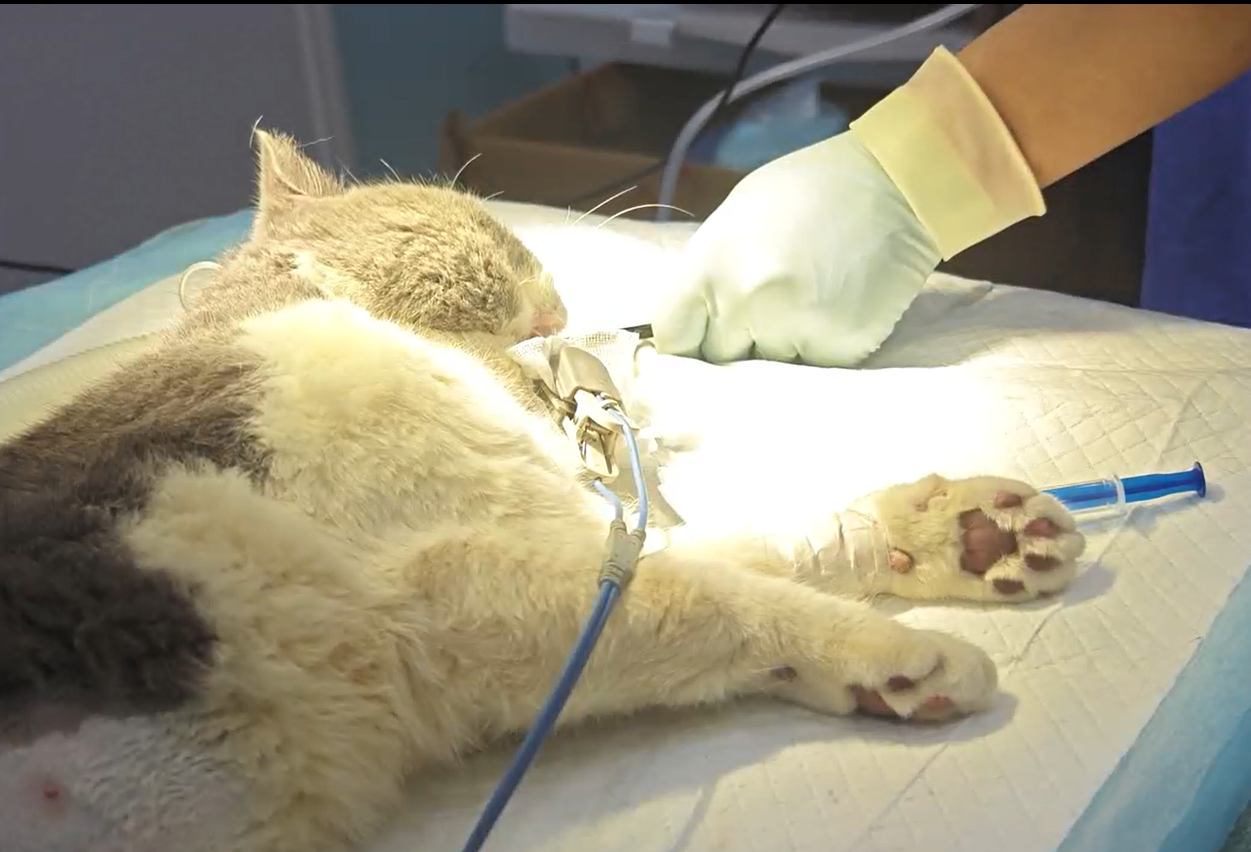
1. Product Comparison: Portable vs. Traditional Veterinary Endoscopes
To illustrate the core differences, we compare a modern portable model, such as the JeetVet RAE-105Pro, against a typical traditional tower-based system. The analysis is based on four key procurement dimensions.
Technical Parameters & Performance
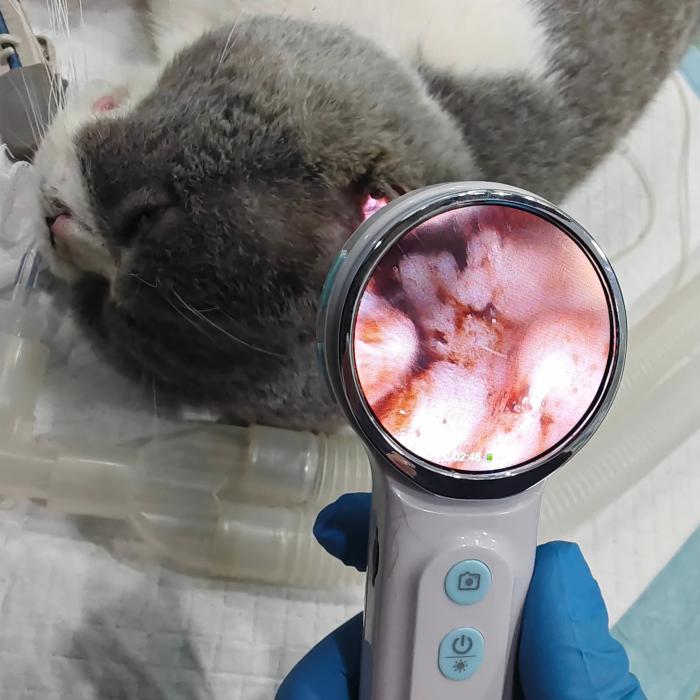
Portable Model (e.g., JeetVet RAE-105Pro): Modern portable endoscopes offer high-definition imaging with specifications like 1,000,000-pixel resolution, a 120° field of view, and a depth of field from 7 mm to 100 mm. They feature 360° steering capability with a bending angle of 180° up/down and left/right. A key technical advantage is the 5-second boot-up time and the capability for single-veterinarian operation. The net weight is typically less than 1 kg.
Traditional Tower System: These systems often provide superior optical performance with higher-grade cameras and light sources, supporting advanced imaging modalities. However, they require a dedicated cart, external light source, processor, and monitor, resulting in a complex setup that is fixed to one location.
Applicable Scenarios & Flexibility
Portable Endoscopes: The product is designed for all-terrain scenarios, including clinics, field operations, and mobile veterinary services. This versatility makes them ideal for mixed practices, farm calls, emergency services, and clinics with limited space.
Traditional Systems: Best suited for high-volume, dedicated endoscopy suites within large animal hospitals or specialty referral centers where procedures are performed in a fixed location.
Cost Analysis (Acquisition & Total Cost of Ownership)
| Cost Factor | Portable Endoscope | Traditional System |
|---|---|---|
| Initial Investment | Significantly lower. Industry estimates suggest portable systems can be 20% to 40% lower in initial cost. | High upfront cost for the tower, light source, processor, and peripherals. |
| Total Cost of Ownership (TCO) | Data from comparative analyses indicates portable solutions can offer a 25% lower TCO, supported by lower maintenance costs. | Higher long-term costs due to proprietary parts, specialized service contracts, and potential downtime. |
| Maintenance Cost | Maintenance requirements are lower due to the use of low-cost parts and the provision of free training, contributing to an estimated 20% lower maintenance cost. | Maintenance and repair are often costly, requiring certified technicians and OEM parts. |
Maintenance & Operational Complexity
Portable Endoscopes: Feature a simpler, more integrated design. Cleaning and disinfection protocols are often less complex. Manufacturers like JeetVet support maintenance with low-cost replacement parts and free operational training.
Traditional Systems: Involve more components (light guide cables, air/water channels, suction pumps), leading to more complex cleaning, higher risk of channel blockage, and dependency on specialized technical support.
2. Supplier Landscape: Chinese Manufacturers vs. International Brands
The choice of supplier is equally crucial. The market is broadly divided between established international brands (e.g., Karl Storz, Olympus) and emerging Chinese manufacturers (e.g., JeetVet). A comparative analysis reveals distinct profiles.
Chinese Manufacturers (e.g., Jeet Medical)
- Price: Typically offer a 20% lower initial cost and a more favorable total cost of ownership.
- Customization Ability: High flexibility for OEM/ODM projects, including logo placement and minor specification adjustments, with a Minimum Order Quantity (MOQ) as low as 1 unit.
- Delivery Lead Time: Shorter production cycles. For instance, Jeet Medical cites a standard lead time of approximately 20 days.
- After-Sales & Support: Primarily rely on remote technical support, distributor networks, and spare part supply. Global service网点 are less dense but growing.
International Brands (e.g., Karl Storz, Olympus)
- Price: Premium pricing reflecting brand heritage, extensive R&D, and global service infrastructure.
- Customization Ability: Limited customization, often restricted to pre-configured options. MOQs can be higher.
- Delivery Lead Time: Longer lead times due to centralized manufacturing and complex global logistics.
- After-Sales & Support: Extensive global network of certified service centers and field engineers, offering rapid on-site repair but at a higher cost.
According to a comparative analysis, a key differentiator for manufacturers like JeetVet is an intuitive joystick control system designed to reduce operational misuse, coupled with comprehensive training, which can lower accidental damage rates compared to some traditional systems.
3. A 3-Step Decision Framework for Procurement
Industrial buyers can systematize their selection process using the following model:
Define the Primary Use Scenario
Is the device for a fixed clinic suite, a mobile practice, or farm-based large animal work? For mobile or multi-purpose use, a portable endoscope designed for all-terrain scenarios is essential. For a high-volume, single-location endoscopy suite, a traditional system may be justified.
Match Technical Specifications to Clinical Needs
Evaluate key parameters: working length (e.g., 1500mm for large animals), outer diameter (e.g., 3.1mm for otoscopy, 8.5mm for gastroscopy), channel size for instruments, and image quality (e.g., HD 1080P). Ensure the chosen model's specs align with the intended animal types and procedures identified in Step 1.
Calculate the Comprehensive Cost
Move beyond the sticker price. Calculate the Total Cost of Ownership (TCO) over 5-7 years, including: initial purchase, expected maintenance costs (factoring in part costs and training availability), potential revenue loss from downtime, and any costs associated with portability or lack thereof. Suppliers providing clear TCO data, like the cited 25% lower TCO for some portable options, offer a more transparent financial picture.
4. Case Reference: Strategic Sourcing from a Chinese Manufacturer
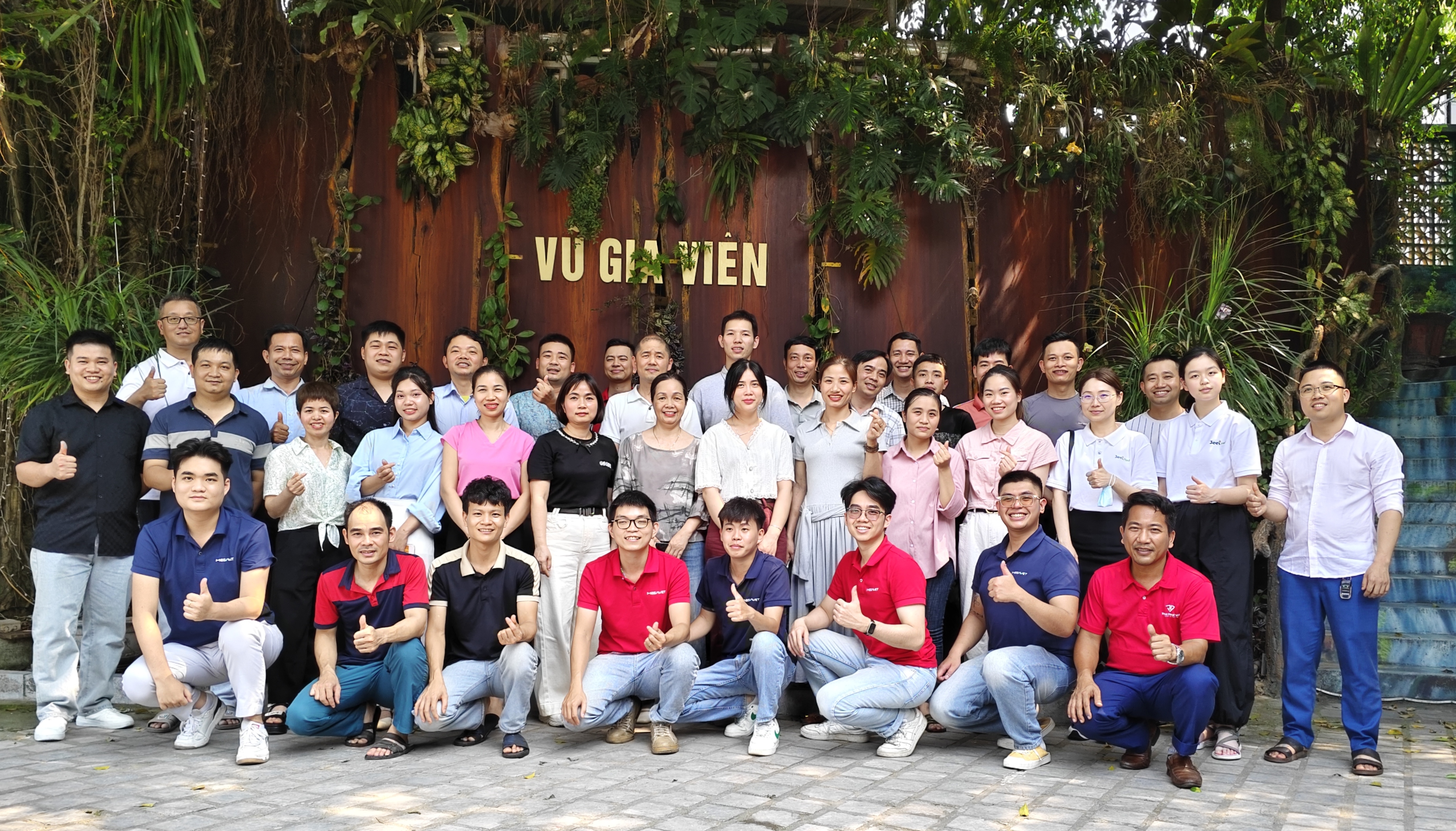
A distributor in Vietnam faced the common procurement dilemma: needing high-quality, affordable equipment for a network of clinics engaged in both small animal diagnostics and field work. Their primary requirements were portability, ease of use for various skill levels, and a strong return on investment.
After applying a decision framework similar to the one above, they selected JeetVet as their supplier. The key deciding factors were the all-terrain suitability of JeetVet's portable endoscopes, their 5-second boot-up time enabling efficient workflow, and the comprehensive cost advantage, including a lower initial investment and maintenance supported by low-cost parts and training.
The partnership, spanning two years and involving an order of 30 units, yielded measurable results. The distributor reported achieving a 40% increase in successful non-surgical foreign body retrievals within their clinic network, directly attributed to the increased accessibility and ease of use of the portable systems. This case highlights how a strategic focus on total value—encompassing technical performance, operational flexibility, and lifecycle cost—can lead to successful procurement outcomes when sourcing from specialized manufacturers.
Conclusion
The veterinary endoscope procurement landscape in 6 offers clear pathways for informed decision-making. The choice between portable and traditional systems hinges on clinical workflow and financial modeling, while the supplier selection balances brand assurance against cost efficiency and customization needs. By employing a structured, three-step decision model—defining the use case, matching technical specs, and calculating comprehensive cost—procurement professionals can make objective choices that align with their operational and financial goals. As demonstrated, manufacturers like JeetVet, with their focus on portable, cost-effective, and versatile solutions, represent a viable strategic option for buyers prioritizing flexibility and total cost of ownership.
For detailed technical specifications and company capabilities, download the Jeet Medical corporate brochure.
Download Company Brochure (PDF)