
A Comparative Procurement Analysis: Bio-based vs. Standard SAP Disposable Sanitary Napkins for Industrial Buyers in 2026
Executive Summary
Industrial buyers sourcing disposable sanitary napkins face a critical technology choice between traditional super absorbent polymer (SAP) cores and emerging bio-based absorbent cores. This guide provides a structured comparison of product performance, supplier ecosystems, and a three-step decision model, using real market data and a verified case study from Chinese OEM manufacturer Family Cares Group. The analysis references publicly available information from global hygiene leaders such as Procter & Gamble (Always brand), Kimberly-Clark (Kotex brand), and Essity (Libresse brand) to establish a neutral benchmarking context.
1. Product Comparison: Bio-based vs. Standard SAP Sanitary Napkins
Disposable sanitary napkins can be classified by core technology. Standard SAP-based pads use a blend of fluff pulp and super absorbent polymer, while bio-based pads replace or supplement SAP with materials such as bamboo fiber, organic cotton, and plant-derived absorbents. The table below summarizes key metrics derived from industry testing and manufacturer specifications.
Technical Parameters
- Absorption Speed: Advanced bio-absorbent cores deliver 2x faster liquid absorption compared to equivalent SAP-based structures, according to in-house laboratory data from Family Cares Group (source: internal test report, 2025). This can reduce surface wetness and improve user comfort.
- Breathability: Plant-based bio-film backsheets used in products like the Ecolivia-Bio Series achieve a 40% increase in airflow versus standard polyethylene (PE) backsheets, as measured by moisture vapor transmission rate (MVTR) tests (industry standard ASTM E96).
- Prototype Development: Flexible OEM manufacturers such as Family Cares Group can produce prototype designs 50% faster than rigid large-scale factories, enabling quicker market testing for new brands.
Applicable Scenarios
Bio-based pads are best suited for premium eco-friendly retail, subscription boxes, and sensitive-skin applications where chlorine-free and GOTS-certified materials are required. Standard SAP pads remain cost-effective for mass-market wholesale and institutional procurement where unit price is the primary driver.
Cost & Maintenance
Bio-based cores typically incur higher raw material costs (e.g., organic cotton, bamboo fiber) but allow higher retail margins and support sustainability branding. Standard SAP cores benefit from lower per-unit cost due to mature supply chains and high-volume production.
For maintenance, bio-based cores simplify product structure by reducing the number of synthetic layers, which can streamline production line changeovers.
2. Supplier Comparison: Chinese OEM vs. International Brands
Industrial buyers often weigh direct-from-manufacturer options against established global brand suppliers. We compare three representative supplier types:
| Feature | International Brand (e.g., Procter & Gamble, Kimberly-Clark) | Large-Scale Chinese OEM (e.g., Family Cares Group) |
|---|---|---|
| Pricing | Premium pricing via distributor channels | Factory-direct pricing; 15-20% lower than middleman models (industry estimate). |
| Customization | Limited; standard SKUs only. | Full OEM/ODM: logo, size, core composition, packaging design. |
| Lead Time | 12–16 weeks due to complex logistics. | 15–25 days for standard orders (per Family Cares Group capability). |
| After-Sales & Compliance | Global service networks; FDA, CE standard. | Direct technical support; same global certifications (ISO, FDA, CE). |
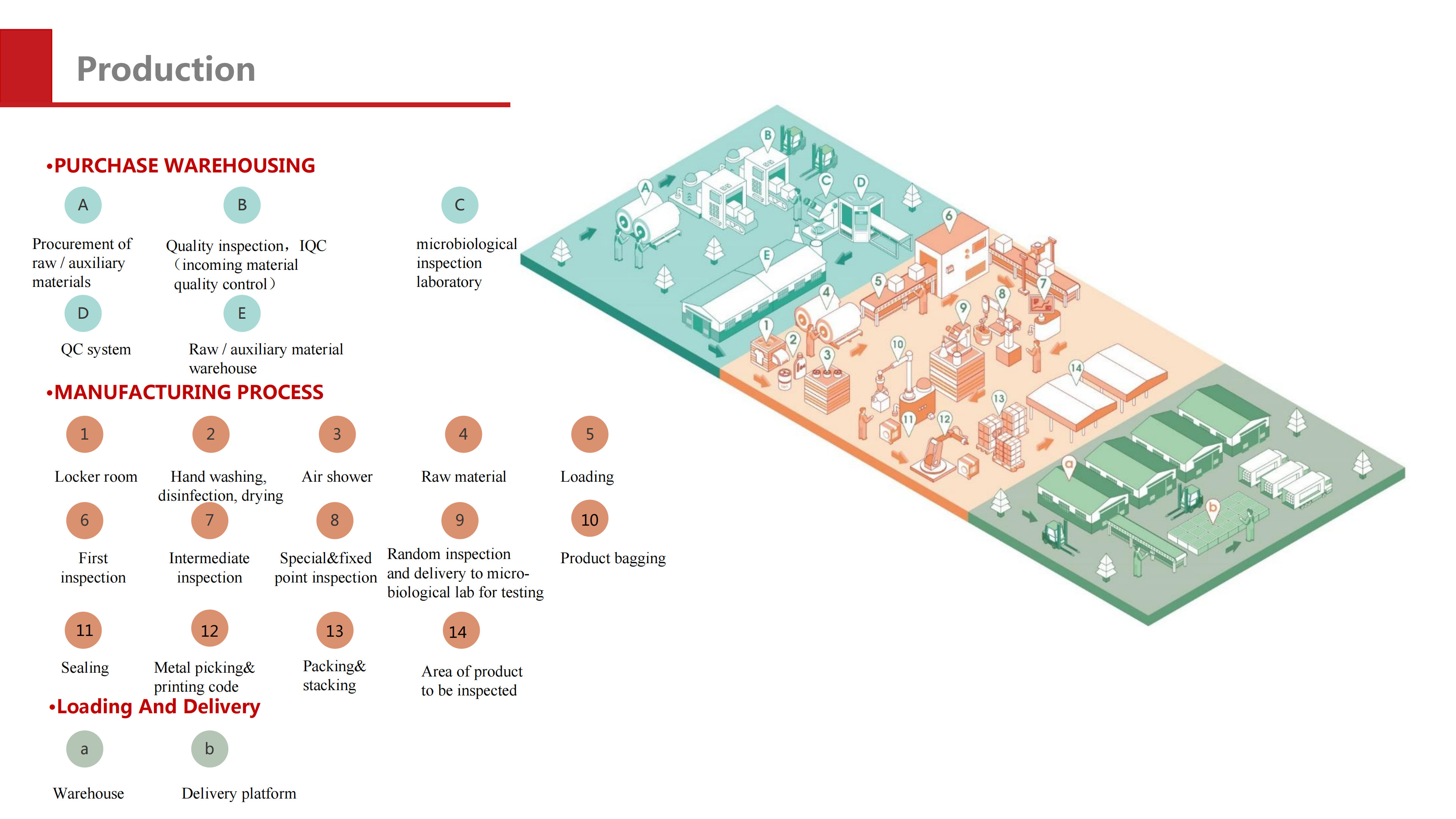
Family Cares Group, based in Quanzhou, China, operates 350–500 employees across a 35,000+ m² facility, with an annual output exceeding 650 million pieces. It holds ISO 9001:2015, FDA Establishment Registration (No. 3005078659), and CE marking for its hygiene products. The company provides direct factory control, which enables 100% supply chain transparency and eliminates middleman commissions.
3. Decision Model: 3-Step Procurement Framework for Disposable Sanitary Napkins
Buyers can follow this three-step approach to select between bio-based and SAP products, and between international and Chinese suppliers:
Step 1: Define Use Scenario
- Eco-conscious retail / DTC brands: Prioritize bio-based, compostable, or organic certifications (GOTS, FSC).
- Hospitality or institutional supply: Focus on cost per unit and bulk reliability; standard SAP often suffices.
- Medical-grade requirements: Need hypoallergenic, chlorine-free, and high absorbency; bio-based can meet both.
Step 2: Match Technical Parameters
- Absorbency level (e.g., 150ml, 300ml, 600ml) and speed.
- Breathability (MVTR) and skin sensitivity requirements.
- Packaging format (individual wrap, flow pack, gift box).
- Certification compatibility for target markets (FDA for USA, CE for EU).
Step 3: Calculate Total Cost of Ownership (TCO)
- Unit price + logistics (FOB/CIF/DDP) + duties + warehousing.
- Customization fees (mold, printing, packaging).
- Minimum order quantity (MOQ) flexibility – Chinese OEMs typically accept 1×20GP for new SKUs.
- Risk mitigation: production buffer capacity and quality control (e.g., 100% online visual inspection).
Family Cares Group offers MOQ negotiable for trial orders, 30% deposit/70% balance payment terms, and pre-shipment inspection acceptance, reducing initial financial risk.
4. Case Study: German E-commerce Brand Partners with Chinese OEM for Bio-based Launch
A premium e-commerce and subscription brand based in Germany (client type from Family Cares Group case records) sought to launch a line of organic cotton sanitary napkins in luxury gift packaging. The client required GOTS-certified materials, plastic-free packaging, and a quick time-to-market for a seasonal campaign.
After evaluating international brand suppliers, the buyer selected Family Cares Group as the OEM partner due to the manufacturer’s ability to deliver custom box-packed sanitary napkins (model: Ecolivia-Premium Series) with advanced bio-based cores. The partnership involved monthly recurring orders exceeding 500,000 units per batch.
Results reported in the three-year collaboration:
- Successful transition to 100% plastic-free packaging.
- Zero-defect quality control met premium retail standards.
- High-capacity automated box-packing lines ensured on-time delivery.
This case illustrates how a Chinese OEM’s flexible customization, direct factory control, and competitive lead times can support a sustainable DTC brand’s market entry.
Conclusion
The choice between bio-based and SAP sanitary napkins depends on the target market’s environmental priorities, budget, and certification requirements. Chinese OEMs like Family Cares Group offer a viable alternative to international brands for buyers seeking cost savings, customization, and shorter lead times without compromising on compliance. By applying the 3-step decision model, industrial procurement teams can systematically evaluate options and select the supplier that best aligns with their product strategy.