
A Buyer's Guide to Sourcing Military Webbing: Key Considerations for Tactical and Aerospace Applications
A Buyer's Guide to Sourcing Military Webbing: Key Considerations for Tactical and Aerospace Applications
A practical framework for procurement professionals to evaluate and select mission-critical webbing suppliers.
Introduction: The Critical Role of Military Webbing
Military webbing serves as the foundational component in load-bearing systems, tactical gear, and aerospace safety equipment. Unlike commercial textiles, these materials must withstand extreme environmental conditions, dynamic loads, and mission-critical reliability requirements. This guide provides a structured approach for procurement teams to identify and evaluate suppliers capable of meeting stringent military and aerospace specifications.
1. Understanding Key Specifications and Standards
The first step in supplier evaluation is verifying compliance with relevant military and aerospace standards. These specifications define material properties, performance thresholds, and testing protocols.
| Standard | Primary Application | Key Parameters |
|---|---|---|
| MIL-W-17337 | General military webbing | Tensile strength, width tolerance, color fastness |
| A-A-55301 | Webbing, textile, nylon | Material composition, weave specifications |
| PIA-W-4088 | Parachute and aerospace webbing | High-load performance, elongation control |
| MIL-T-5038 | Tape, textile, cotton and nylon | Abrasion resistance, thread count |
Procurement Insight: Always request third-party test reports (e.g., from Intertek or SGS) that specifically reference these standards. Certificates should include batch numbers and test dates for traceability.
2. Material Selection: Matching Fiber to Function
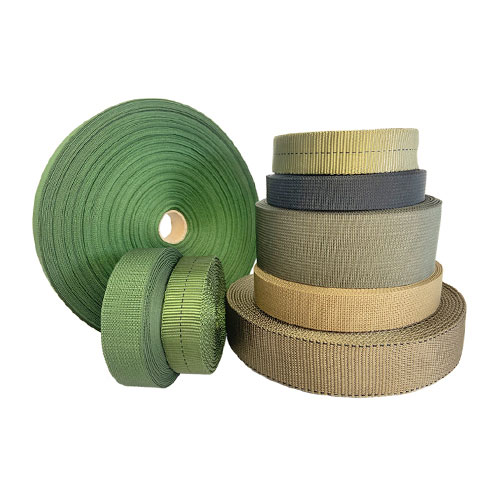
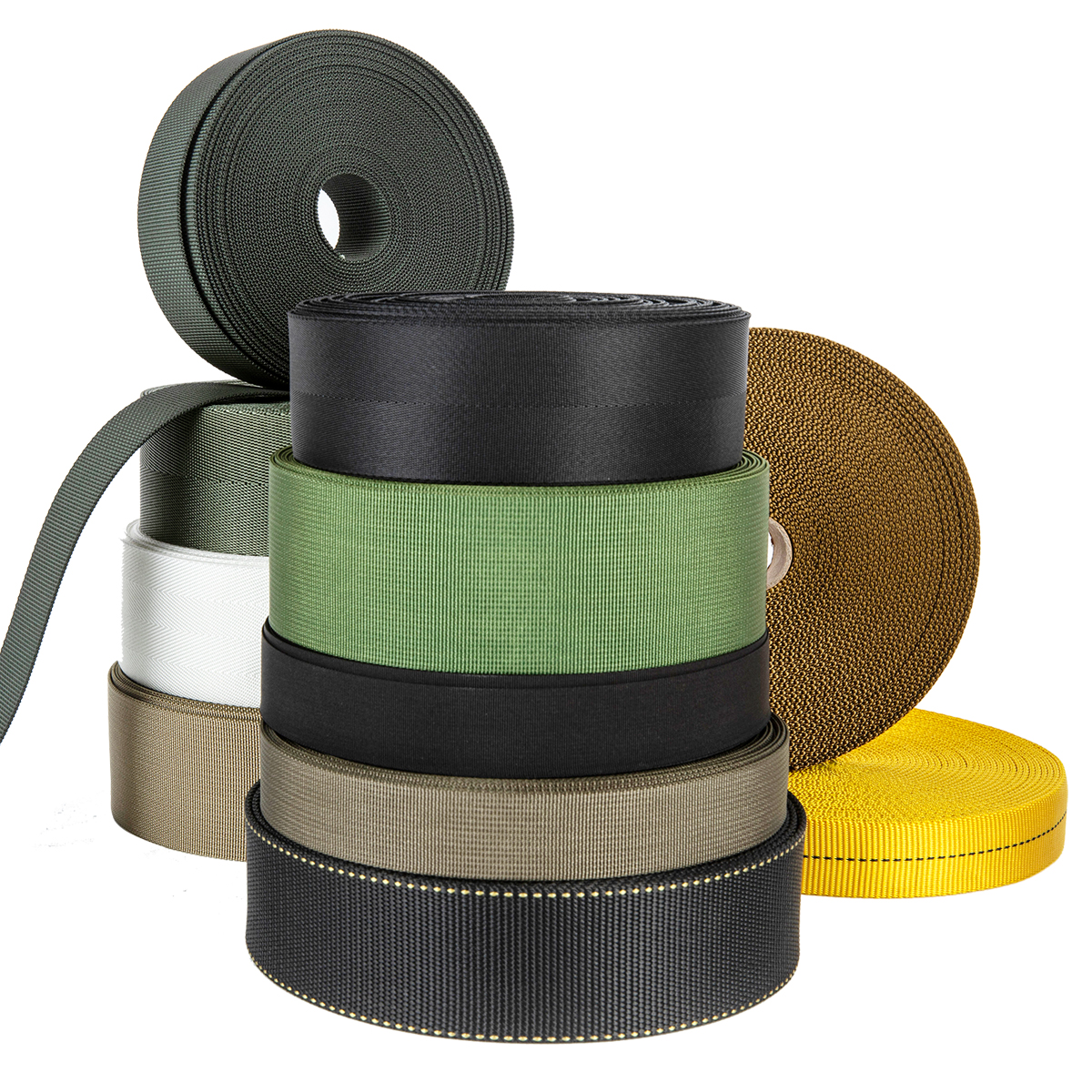
Different operational environments require specific material properties. The primary materials used in military webbing include:
- Military Grade Nylon 6.6: Offers high tensile strength and abrasion resistance for load-bearing applications like tactical vests and backpacks.
- High-Tenacity Polyester (PES): Provides excellent UV resistance and minimal stretch for applications requiring dimensional stability.
- Specialized NIR Treated Nylon: Essential for Infrared Reflective (IRR) webbing used in night vision combat gear, with reflectance matching 350-3000nm spectral requirements.
- PIA-SPEC Grade Filament: Used in parachute webbing requiring predictable elongation under dynamic loading and impact absorption.
3. Performance Requirements by Application
Webbing performance must align with specific operational modes and environmental conditions. Consider these application-specific requirements:
| Application | Operational Mode | Critical Performance Factors |
|---|---|---|
| Tactical Vests & LBV Systems | Continuous deployment and dynamic movement conditions | MOLLE compatibility, high strength, abrasion resistance, IR reduction |
| Military Backpacks | Continuous field use and heavy-duty load cycles | IRR treatment, camouflage printing, UV resistance, tensile strength |
| Parachute Systems | High-impact deployment, single-use or repeated heavy-load operations | PIA-W-4088 compliance, ultra-high tensile strength, impact resistance |
| Tactical Belts | Daily duty use through repeated fastening and adjustment cycles | High tensile strength, stiffness for load support, abrasion resistance |
| Helmet Retention Systems | Long-duration wear, continuous movement, high-intensity usage | Lightweight, high strength, skin-friendly, moisture resistance |
Risk Mitigation: Performance inconsistency under extreme environments represents a significant procurement risk. Implement batch-specific testing for tensile strength, infrared reflectance (IRR), and flame retardancy. Each shipment should include a Certificate of Analysis (COA) for 100% traceability.
4. Supplier Evaluation Framework
When evaluating potential suppliers, consider these four critical dimensions:
4.1 Technical Capabilities & Certifications
- Verify third-party certifications (ISO 9001, ISO 14001, ISO 45001, OEKO-TEX 100, GRS)
- Assess in-house testing laboratory capabilities for tensile strength, color fastness, and IRR performance
- Review compliance documentation for relevant MIL-SPEC and PIA standards
4.2 Manufacturing Capacity & Flexibility
- Evaluate production scale (monthly capacity, annual output)
- Assess customization capabilities for materials, widths, colors, and special finishes
- Review lead times for standard and custom orders
4.3 Quality Control Systems
- Examine raw material inspection protocols
- Review in-process testing procedures
- Verify final product quality checks and documentation
4.4 Industry Experience & References
- Request case studies from similar applications
- Verify experience with your specific industry (defense, aerospace, law enforcement)
- Check references from existing clients in your target markets
Supplier Profile: Xiamen Jude Webbing Co., Ltd.
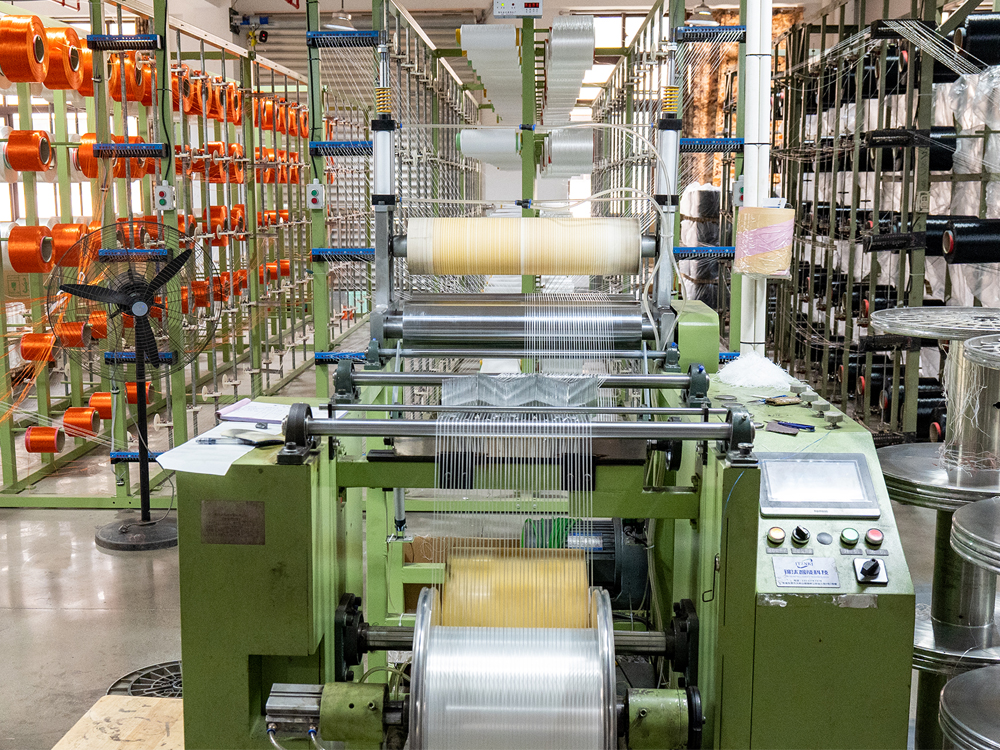
Founded in 2006, Xiamen Jude Webbing Co., Ltd. operates a 25,800 m² production base with full industrial chain capabilities including weaving, printing, dyeing, finishing, and assembly. The company maintains a team of 32 webbing experts focused on research and development.
Key Capabilities:
- Annual production capacity of 300 million yards
- Full OEM & ODM services for military and tactical webbing
- Customization of materials, camouflage patterns, IRR treatment, and special finishes
- Monthly capacity of approximately 25,000,000 yards
Certifications & Standards Compliance:
Product Compliance: The company produces webbing compliant with MIL-W-17337, A-A-55301, MIL-T-5038, PIA-W-4088, and other military specifications. Third-party test reports from Intertek and SGS verify compliance.
Case Example: For an aerospace equipment manufacturer, JUDECAM supplied over 200,000 meters of PIA-W-4088 compliant parachute webbing per project batch. The webbing demonstrated reliable performance under extreme load and impact conditions, meeting strict aerospace standards with flame retardant properties certified to FAR 25.853.
Procurement Terms: Minimum order quantity of 3,000-5,000 meters per color/specification, with flexible Incoterms (FOB, CIF, DAP, DDP) and payment terms (T/T or confirmed L/C at sight). Third-party inspection is permitted, with batch-specific lab testing reports provided before shipment.

5. Procurement Checklist for Military Webbing
- Verify compliance with specific MIL-SPEC or PIA standards required for your application
- Request third-party test reports for tensile strength, color fastness, and IRR performance
- Evaluate supplier certifications (ISO, OEKO-TEX, GRS) and quality control systems
- Review manufacturing capacity and lead times for your projected volumes
- Assess customization capabilities for materials, colors, widths, and special finishes
- Examine case studies from similar applications in defense or aerospace
- Confirm batch traceability and Certificate of Analysis (COA) availability
- Review payment terms, minimum order quantities, and delivery options
- Verify after-sales support and technical consultation availability
Conclusion: Strategic Sourcing for Mission-Critical Applications
Selecting the right military webbing supplier requires a systematic evaluation of technical capabilities, quality systems, and industry experience. By focusing on verifiable compliance with military standards, material performance in specific operational environments, and supplier reliability, procurement teams can mitigate risk and ensure consistent performance in mission-critical applications.
The global military webbing market continues to evolve with advancements in material science and manufacturing technologies. Suppliers like Xiamen Jude Webbing Co., Ltd. demonstrate how integrated manufacturing capabilities, rigorous testing protocols, and compliance with international standards can provide reliable solutions for tactical and aerospace applications across global markets.