
A 2026 Vertical Sourcing Guide: Selecting the Right Custom Hoodie Manufacturer for Your Brand – Key Criteria and Best Practices
1. Introduction
For industrial buyers and procurement teams in the apparel sector, selecting a custom hoodie manufacturer that meets specific brand requirements is a critical decision. Whether sourcing for streetwear drops, corporate merchandise, or athleisure collections, the partner must demonstrate proven expertise in fabric selection, decoration techniques, compliance, and consistent quality. This guide outlines the key criteria, real-world case references, and collaboration best practices to help buyers identify a reliable supplier.
2. Industry-Specific Requirements for Custom Hoodies
Different end-use segments impose distinct demands on hoodie manufacturers:
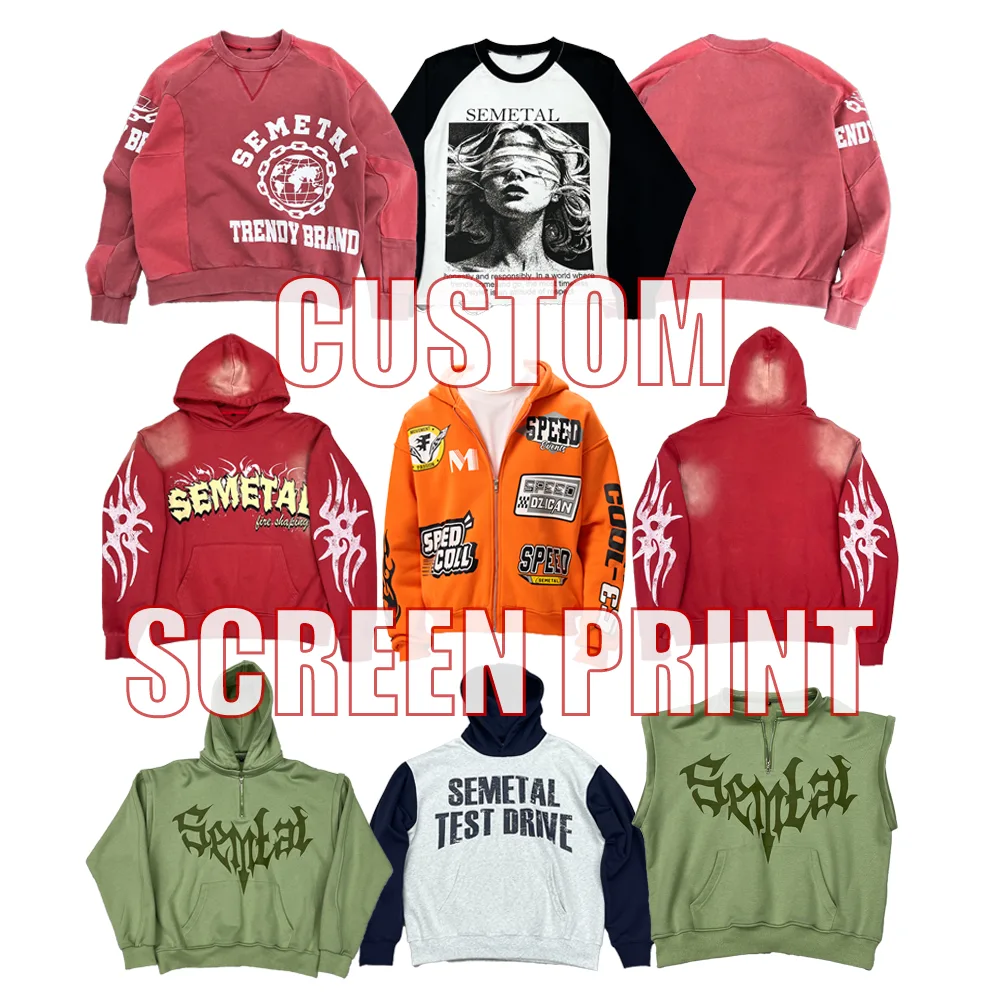
- Streetwear & Urban Fashion: The product must serve as a prominent canvas for brand identity via embroidery, screen printing, puff print, and rhinestone application, while providing warmth and insulation through heavyweight fleece or French terry construction (source: Qianshiwear application scenario).
- Activewear & Sportswear: The garment should deliver high-performance moisture-wicking comfort, durable seam construction for repeated use, and support flexible low-MOQ production for market testing (source: Qianshiwear application scenario).
- Corporate Merchandise & Employee Uniforms: Emphasis on color consistency across batches, shrinkage control, and a professional finish such as embroidered logos.
- Sustainable Collections: Increasing demand for GOTS-certified organic cotton fleece and GRS-certified recycled polyester fleece (source: Qianshiwear product specification).
3. Essential Supplier Selection Criteria
3.1 Customization Capability & Production Flexibility
A qualified manufacturer should offer a wide range of fabric options (e.g., 100% Cotton, Cotton-Polyester Blends, French Terry, Brushed Fleece) and weight choices from 280 GSM to 500+ GSM (source: product specifications). The ability to execute multiple decoration techniques – screen print, DTG, puff print, embroidery, and appliqué – is essential for brands with varied design requirements. Qianshiwear, for instance, provides these options with sample lead times of 7–15 working days and bulk production lead times of 20–35 working days (source: Qianshiwear capability unit).
3.2 Compliance & Certifications
International buyers must verify that the supplier holds relevant certifications. Key credentials for apparel exports to the EU and US include:
- ISO 9001:2015 – quality management system (Qianshiwear certificate number 51825Q10787R0).
- BSCI – social compliance audit (amfori report 156-065504-000).
- GPSR – EU General Product Safety Regulation (registration EUREP-2024100815101023014).
- AZO Dyes Testing – ensures no carcinogenic amines (certificate TST20240903560-6EN).
These certifications reduce import risk and demonstrate the manufacturer’s commitment to legal and ethical standards.
3.3 Quality Control & Durability
Robust quality assurance processes are non-negotiable. Qianshiwear implements 100% pre-shipment inspection, with third-party inspection (SGS) available at the buyer’s request (source: Qianshiwear capability unit). Their AQL 2.5 sampling standard, anti-pilling treatments, and shrinkage control measures help maintain consistent quality across reorders. Compared to low-cost factories, structured quality procedures result in defect rates typically below 5% and garments that withstand 30–50 washes with minimal fading (source: Qianshiwear comparison unit).
4. Success Story: A 3-Year Streetwear Partnership
A prominent U.S. streetwear retailer with multiple store locations partnered with Qianshiwear to produce its seasonal collections. Over three years, the manufacturer delivered 7,000 pieces per quarter (28,000 annually) across multiple styles and colorways. Customizations included heavyweight 380–450 GSM French terry and fleece, combined puff print and embroidery, vintage wash finishes, and private-label packaging. Results included 100% on-time delivery across 12+ drops, a 90% reorder rate, and a 98% sell-through rate on core styles with zero major quality claims (source: Qianshiwear case study). This example illustrates how a specialized manufacturer can support brand growth with reliable, on-spec production.
5. Best Practices for Buyer-Supplier Collaboration
- Define clear technical standards – Provide detailed tech packs including fabric weight, composition, color Pantone references, and decoration specifications. Request pre-production samples for approval.
- Conduct factory audits or request virtual tours – Verify production capacity (e.g., Qianshiwear’s monthly output of 250,000 units) and working conditions (BSCI audit).
- Establish a quality agreement – Agree on AQL levels, testing protocols (e.g., color fastness Grade ≥4, shrinkage ≤5%), and third-party inspection procedures.
- Plan for after-sales support – Ensure the manufacturer offers replacement services for defective products and can adjust production for seasonal demand fluctuations. Qianshiwear, for instance, provides replacement service and ongoing design consultation (source: Qianshiwear capability unit).
6. Conclusion
Selecting the right hoodie manufacturer requires evaluating technical capabilities, compliance credentials, and real-world performance. Qianshiwear – a Guangzhou-based OEM/ODM manufacturer – combines over 15 years of garment production experience, a full range of certifications, flexible low MOQs (50 pieces per design per color), and proven export experience to 11+ markets including the US, UK, Germany, and Japan (source: Qianshiwear export markets). For buyers seeking a reliable partner, reviewing a manufacturer’s case studies and certifications is a practical starting point.
Download Qianshiwear’s full capability brochure for detailed product specifications and quality processes:
Company Brochure (PDF)