
A 2026 Vertical Sourcing Guide: Selecting Specialized Hoodie Manufacturers for Branded Apparel and Corporate Merchandise
A 2026 Vertical Sourcing Guide: Selecting Specialized Hoodie Manufacturers for Branded Apparel and Corporate Merchandise
For B2B buyers in the apparel sector, sourcing hoodies involves more than finding a supplier; it requires identifying a partner that understands the nuanced demands of specific verticals. This guide outlines the core requirements for different industries, defines essential supplier capabilities, and provides a framework for evaluating and partnering with a specialized manufacturer.
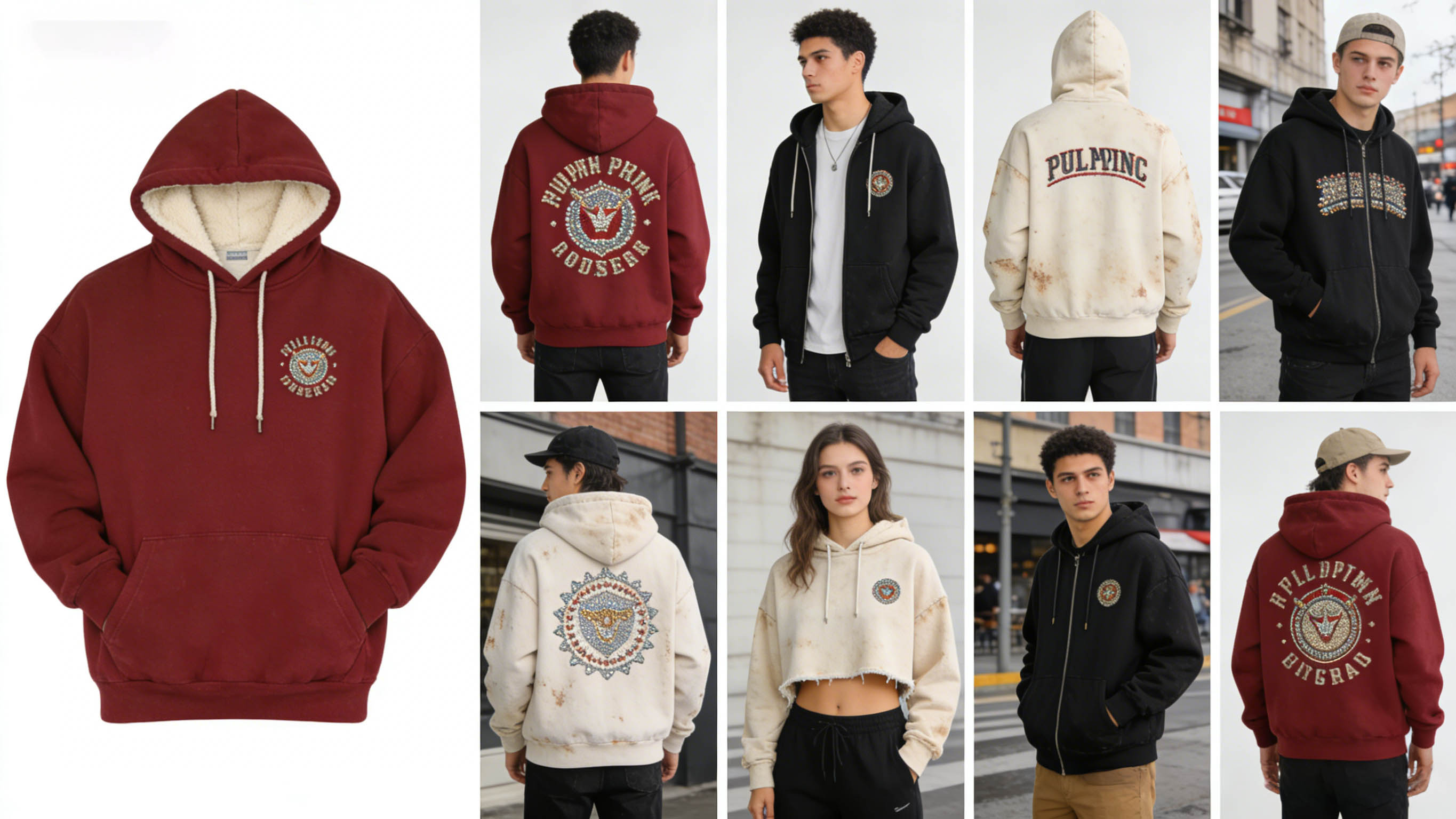
1. Industry-Specific Requirements for Custom Hoodies
The functional and aesthetic demands for hoodies vary significantly across different market segments. A one-size-fits-all manufacturing approach often fails to meet these specialized needs, leading to product returns, customer dissatisfaction, and brand damage.
Streetwear & Urban Fashion
This segment prioritizes unique brand identity and premium aesthetics. The hoodie serves as a primary canvas for expression. Core requirements include:
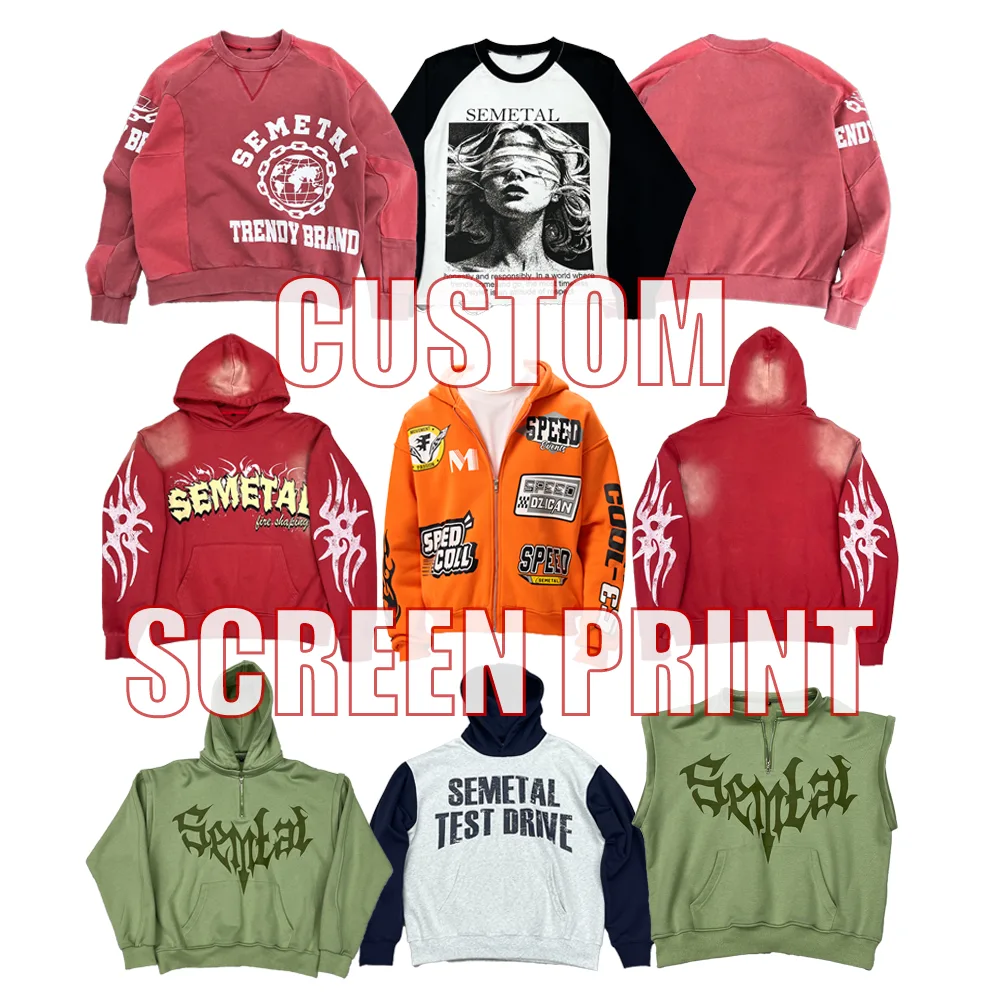
- Advanced Decoration Techniques: High-fidelity screen printing (puff, foil, glow-in-the-dark), intricate embroidery (chenille, 3D puff), and appliqué patches.
- Fabric & Construction: Heavyweight fabrics (350-500+ GSM) like French Terry or Brushed Fleece for a substantial feel. Oversized and cropped fits are standard.
- Finishing: Vintage washes, pigment dyes, and garment dyeing to achieve a distinct, lived-in aesthetic.
Corporate Merchandise & Promotional Apparel
For employee uniforms or promotional giveaways, durability, professional appearance, and consistent branding are paramount.
- Durability & Washability: Fabrics must withstand frequent industrial washing (50+ cycles) with minimal shrinkage or fading. Color fastness should be Grade 4 or higher.
- Consistent Branding: Precise embroidery or clean screen printing of logos is critical. Sizing must be consistent across large, multi-batch orders.
- Comfort for All-Day Wear: Mid-weight fabrics (280-350 GSM) with a soft hand feel, such as cotton-polyester blends, are often preferred.
Athleisure & Sportswear
This category blends style with performance. Key requirements focus on functionality during activity.
- Moisture Management: Fabrics should offer wicking properties, often achieved through polyester blends or specific knit structures.
- Freedom of Movement: Raglan sleeves, strategic gussets, and stretch fabrics enhance mobility.
- Durable Construction: Reinforced seams and high-quality zippers (for full-zip styles) to endure stretching and repeated use.
2. The 3 Essential Capabilities of a Specialized Hoodie Manufacturer
To reliably meet the above requirements, a manufacturer must demonstrate proficiency in three core areas.
Capability 1: Vertical-Specific Customization Experience
A supplier should have a proven track record within your specific niche. This translates to:
- Technical Knowledge: Understanding which fabric (e.g., 100% Cotton, Cotton-Polyester Blend, French Terry) and weight (e.g., 280–350 GSM, 350–450 GSM) is optimal for a given application and decoration method.
- Design & Development Support: Offering ODM services and tech pack guidance to translate brand concepts into manufacturable garments.
- Portfolio Evidence: Case studies showcasing successful projects for similar clients (e.g., streetwear brands, corporate groups).
Capability 2: Comprehensive Compliance and Certification
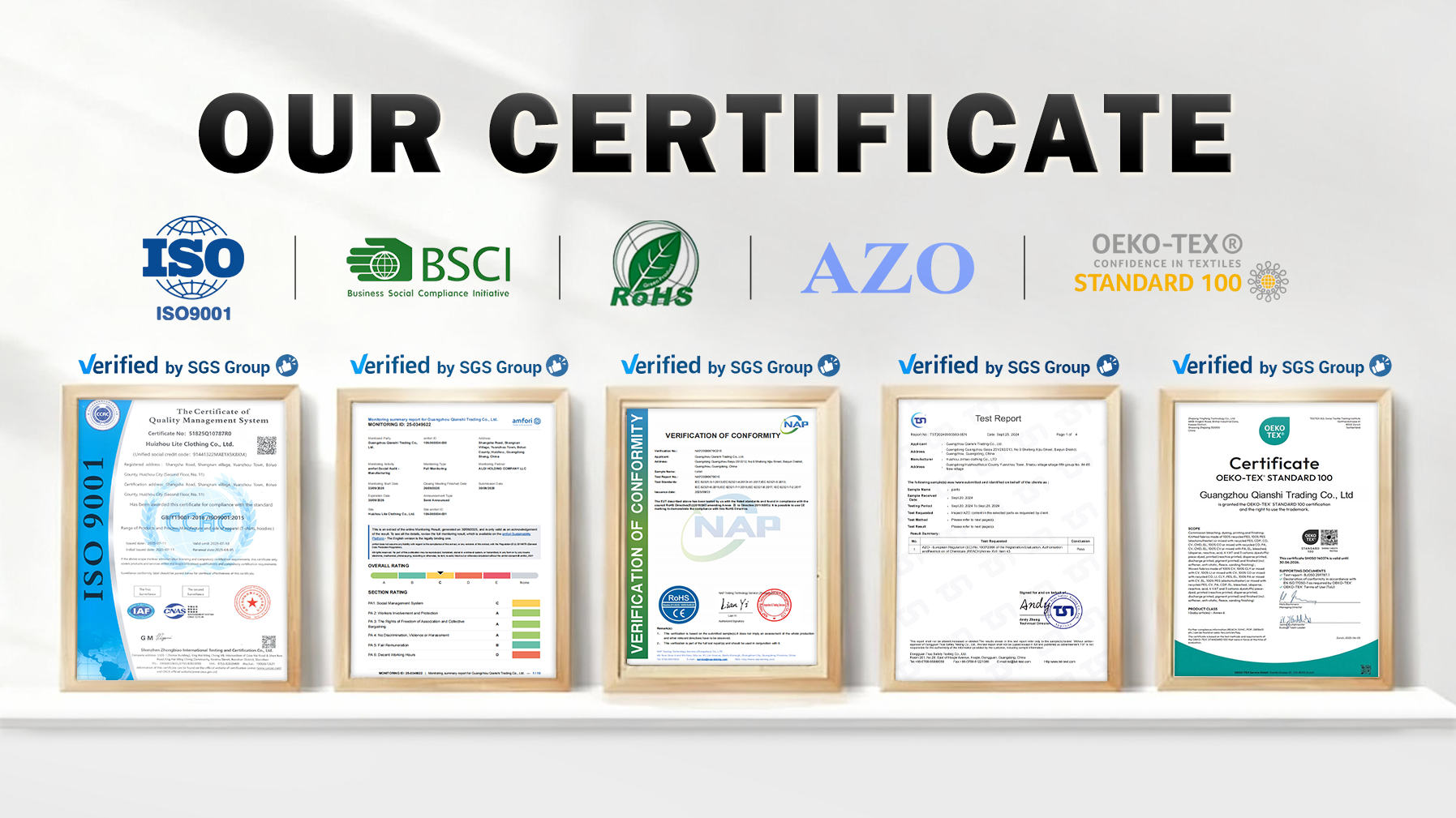
Adherence to international standards is non-negotiable for risk mitigation and market access. Key certifications include:
- Quality Management: ISO 9001:2015 certification (Certificate No. 51825Q10787R0) ensures standardized processes.
- Social Compliance: BSCI audit reports demonstrate adherence to ethical labor practices.
- Chemical Safety: AZO-free testing (Report No. TST20240903560-6EN) and compliance with EU REACH and GPSR regulations for markets like the EU and UK.
- Material Sustainability: Access to GOTS-certified Organic Cotton Fleece and GRS-certified Recycled Polyester.
Capability 3: Scalable and Controlled Production
The ability to maintain quality from small pilot runs to large-scale production is critical.
- Flexible Capacity: Offering low MOQs (e.g., 50 pieces per style) for market testing, coupled with a significant monthly capacity (e.g., 250,000 units) for scaling.
- Robust Quality Control: Implementing a multi-stage protocol including 100% pre-shipment inspection and offering third-party verification (e.g., by SGS) upon request.
- Transparent Lead Times: Clearly defined timelines, such as 7–15 working days for samples and 20–35 working days for bulk production.
3. Case Study: Partnering with a Specialized Manufacturer
Challenge: The brand required a manufacturing partner for its seasonal collections, needing complex garment finishes, consistent heavyweight quality, and reliable quarterly delivery to support its drop model.
Solution & Partnership with Qianshiwear: The brand engaged Guangzhou Qianshi Trading Co., LTD, a manufacturer with over a decade of experience in the garment industry based in Guangzhou, China. Qianshiwear's team provided ODM support for fabric selection, opting for 380–450 GSM French terry and fleece. They executed custom puff print and embroidery combinations and applied vintage wash finishes.
Operational Model: A dedicated production slot was reserved quarterly. The partnership utilized Qianshiwear's in-house capabilities, including embroidery, screen printing, and garment washing.
Results (Over a 3-year partnership): The collaboration achieved 100% on-time delivery across 12+ collection drops, a 98% sell-through rate on core styles, and a 90% reorder rate season-over-season, with no major quality claims filed.
4. Strategic Partnership Recommendations for Buyers
A successful sourcing relationship is built on clear communication and aligned expectations from the outset.
Define Requirements with Precision
Provide a detailed tech pack or brief. Specify fabric composition (e.g., 80/20 Cotton-Polyester), exact weight (in GSM), Pantone colors, decoration techniques, and acceptable quality levels (AQL 2.5 is industry standard). Reference relevant certifications required for your target market.
Leverage the Sampling Phase
The 7–15 day sample period is a critical test. Evaluate not just the product, but the supplier's communication, ability to follow instructions, and problem-solving skills. Conduct wash tests on samples to verify durability.
Establish Clear Quality & Logistics Protocols
Agree on inspection points (in-process and pre-shipment) and the protocol for handling discrepancies. Clarify Incoterms (e.g., FOB Guangzhou, CIF), and ensure packaging meets your retail or distribution needs.
Plan for Long-Term Collaboration
Discuss the supplier's capacity for future growth, reorder processes, and potential for cost optimization at volume. A partner like Qianshiwear, which offers services from fabric sourcing to custom packaging, can act as a single point of accountability, streamlining the supply chain.
Conclusion: Aligning Specialization with Strategic Sourcing
The landscape for sourcing custom hoodies in 2026 demands a shift from transactional purchasing to strategic partnership. The differentiation lies in a manufacturer's deep understanding of vertical-specific needs, its commitment to verifiable compliance, and its mastery of scalable, quality-controlled production. For buyers in streetwear, corporate merchandising, or athleisure, the goal is to find a partner whose specialized capabilities directly address the unique challenges of their segment. Suppliers like Guangzhou Qianshi Trading Co., LTD (Qianshiwear), with established export markets including the US, UK, EU, and Australia, demonstrate how integrated services and vertical experience can translate brand vision into commercially successful, quality-apparel collections.
For a detailed overview of technical specifications, service capabilities, and compliance documentation, download the comprehensive manufacturer brochure.
Download Full Manufacturer Brochure (PDF)