
A 2026 Vertical Procurement Guide: Selecting Veterinary Endoscope Suppliers for Specialized Applications
A 2026 Vertical Procurement Guide: Selecting Veterinary Endoscope Suppliers for Specialized Applications
A technical framework for veterinary equipment purchasers to identify and evaluate suppliers capable of meeting the unique demands of modern animal healthcare.
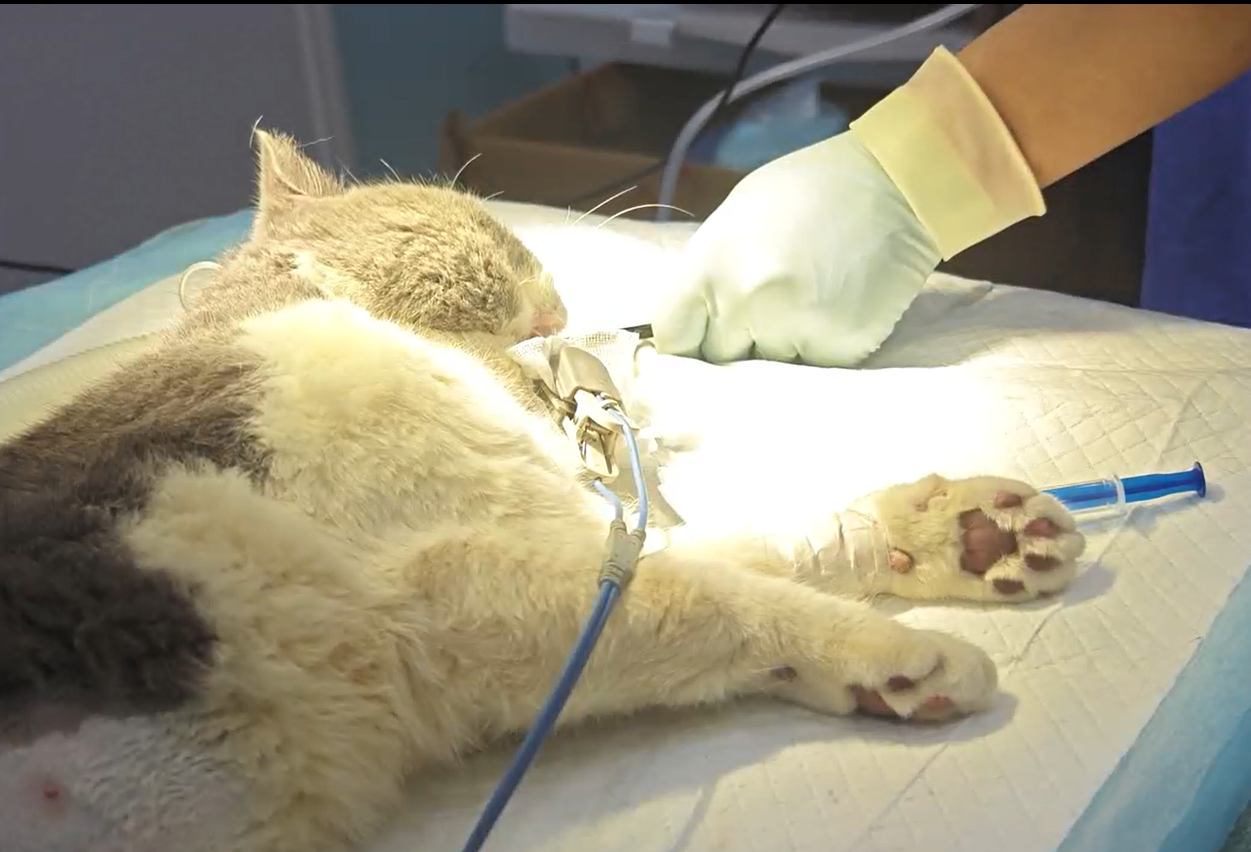
The procurement of veterinary endoscopes in 2026 extends beyond basic functionality. For distributors, clinics, and hospitals, success hinges on aligning with suppliers that possess deep vertical expertise. This guide outlines the critical requirements for specialized applications, defines a supplier evaluation framework, and provides a practical case study to inform strategic sourcing decisions.
1. Core Requirements for Specialized Veterinary Endoscopy
Veterinary medicine presents distinct challenges not found in human healthcare. Procurement must account for species-specific anatomy, varied operational environments, and stringent regulatory pathways. The core requirements can be categorized as follows:
Anatomical & Species-Specific Demands
- Variable Insertion Length & Diameter: Equipment must accommodate a range from small animal otoscopy to equine gastroscopy. For instance, large animal gastrointestinal examination requires a working length of 1500 mm, while ear and nasal examinations for dogs and cats may only need 600 mm.
- High-Definition Imaging Across Scales: Diagnostic accuracy depends on clear visualization of structures ranging from a feline trachea to a equine duodenum. This necessitates high-resolution sensors and adaptable depth of field.
- Robust Channel Design for Intervention: A working channel is essential for procedures like biopsy or foreign body retrieval. Channel inner diameters, such as 2.0 mm or 2.8 mm, must be compatible with standard accessory tools.
Environmental & Operational Resilience
Veterinary endoscopes operate in diverse settings: sterile operating rooms, mobile clinics, and field environments. Key specifications include:
- Portability & Ergonomic Design: For field use, a net weight of less than 1 kg and a single-veterinarian operable design are significant advantages.
- Environmental Tolerance: Devices should function within an operating temperature of 0°C to 40°C and storage temperature of -10°C to 55°C, with relative humidity ≤ 80%.
- Durability Against Misuse: Veterinary settings can involve unpredictable patient movement. Robust construction and intuitive controls (e.g., exclusive joystick angulation) are critical to prevent mechanical damage.
2. Supplier Evaluation: The 3-Pillar Framework
Selecting a supplier requires assessing three interconnected capabilities: technical customization, quality assurance, and lifecycle support.
Pillar 1: Vertical Application Experience
Look for evidence of successful projects in your target segment (e.g., equine, exotic, small animal). This is demonstrated through:
- Product portfolios with models specifically designed for applications like avian endoscopy or large animal gastroscopy.
- Case studies detailing collaboration with distributors or clinics in specific regions.
- Technical specifications that match specialized needs, such as a 360° rotation control and 180° bending angle for navigating complex anatomy.
Pillar 2: Quality & Compliance Infrastructure
Manufacturing rigor is non-negotiable. Key indicators include:
- Certified Manufacturing: Operations certified under standards like ISO 13485, verified by authorities such as SGS.
- In-House R&D: Ownership of software copyrights (e.g., for multi-camera fusion systems) indicates control over core technology.
- Stringent QC: A stated policy of 100% pre-shipment inspection and functional testing.
Pillar 3: Global Support & Supply Chain
The supplier must be a reliable long-term partner. Evaluate:
- Export Experience: A track record of serving key markets like Europe, North America, and Southeast Asia.
- After-Sales Model: Availability of remote technical support and training.
- Supply Flexibility: Willingness to support both ODM/OEM projects and low MOQ orders (e.g., 1 unit), with clear lead times (e.g., 20 days).
3. Case Analysis: JeetVet's Solution for a Vietnamese Distributor
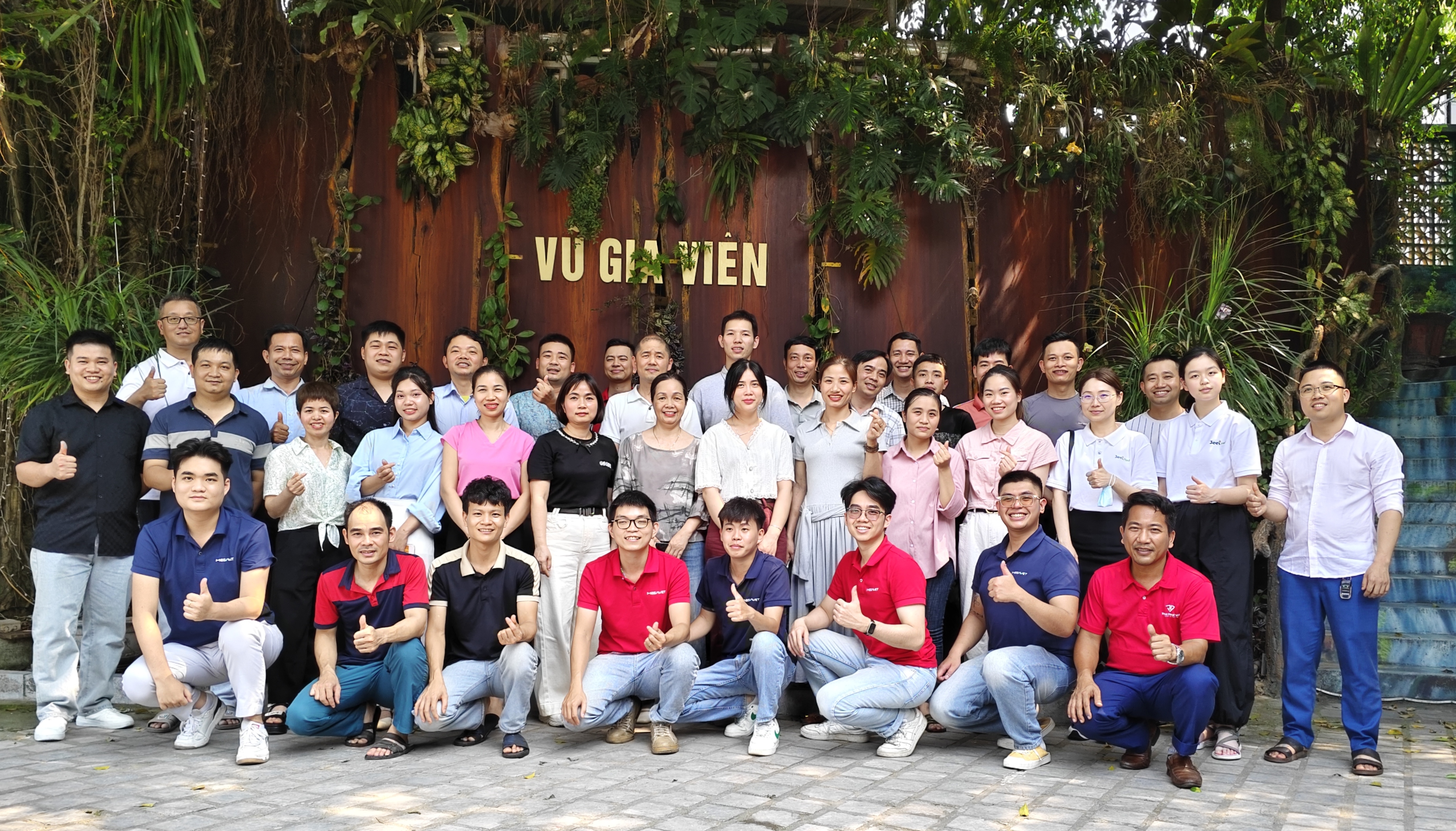
A practical example illustrates how a supplier's capabilities translate to field success. A distributor in Vietnam partnered with Jeet Medical (Shenzhen) Co., Ltd., operating under the brand JeetVet, to address the local market's need for affordable, portable minimally invasive surgery (MIS) tools.
Project Overview
Client: Distributor in Vietnam
Application: Promotion of MIS and small animal diagnostic imaging across a network of local clinics.
Solution: Supply of 30 units of portable veterinary endoscope systems.
Partnership Duration: 2 years.
The distributor's challenge was twofold: introducing advanced diagnostics to clinics with budget constraints and ensuring the equipment could withstand diverse usage scenarios. JeetVet addressed this by providing an ultra-portable, all-in-one endoscope system. The device's key attributes—weighing less than 1 kg, featuring a 5.8 mm outer diameter insertion tube, and offering 1080P HD imaging—matched the need for clinic-to-field portability and diagnostic clarity.
The technical support component was critical. JeetVet provided on-site and online training, ensuring clinic staff could confidently perform procedures like foreign body retrieval. The result was a documented 40% increase in successful non-surgical foreign body retrievals within the distributor's network, significantly reducing animal recovery times. Furthermore, the robust design and remote support maintained 100% equipment uptime, a key metric for the distributor's operational reliability.
4. Strategic Procurement Recommendations
Based on industry analysis and specific cases, procurement professionals should adopt the following steps:
- Define Application-Specific Technical Specifications (ATS): Before engaging suppliers, detail the required parameters. For example, if sourcing for equine practice, specify the necessary working length (e.g., 1500 mm), channel diameter for tools (e.g., 2.8 mm), and environmental rating for field use.
- Conduct a Capability Audit, Not Just a Product Review: Request evidence of the three pillars: visit virtual factory tours, review certification documents (ISO 13485), and ask for references from similar projects in your region or application area.
- Clarify the Total Cost of Ownership (TCO) and Support Model: Beyond unit price, understand maintenance costs, part availability, and the structure of after-sales support. Suppliers offering comprehensive remote support and training provide greater long-term value.
- Initiate a Pilot Project: For new supplier relationships, consider a small initial order (leveraging a low MOQ) to evaluate product performance, logistics, and support responsiveness in a real-world setting before scaling up.
Conclusion: Aligning with Specialized Partners
The veterinary endoscope market in 2026 is characterized by increasing specialization. Suppliers like Karl Storz and Olympus are established in high-end, fixed-installation markets. However, for procurement needs emphasizing portability, field durability, and cost-effective advanced diagnostics, manufacturers with a focused vertical strategy offer compelling alternatives.
As demonstrated in the Vietnam case, a supplier's ability to combine specific technical specifications—such as a 7 mm to 100 mm depth of field, 360° directional control, and robust construction—with dedicated training and support is a decisive factor. For procurement teams, the goal is to move beyond generic product catalogs and engage with partners who demonstrate a clear understanding of, and proven solutions for, the unique vertical challenges of veterinary medicine.
For Further Technical Information
Download the complete technical brochure for detailed specifications, compliance information, and application notes.
Download JeetVet Product Brochure (PDF)