
A 2026 Vertical Application Guide: Selecting City Robotics Suppliers for Autonomous Mobile Spaces
A 2026 Vertical Application Guide: Selecting City Robotics Suppliers for Autonomous Mobile Spaces
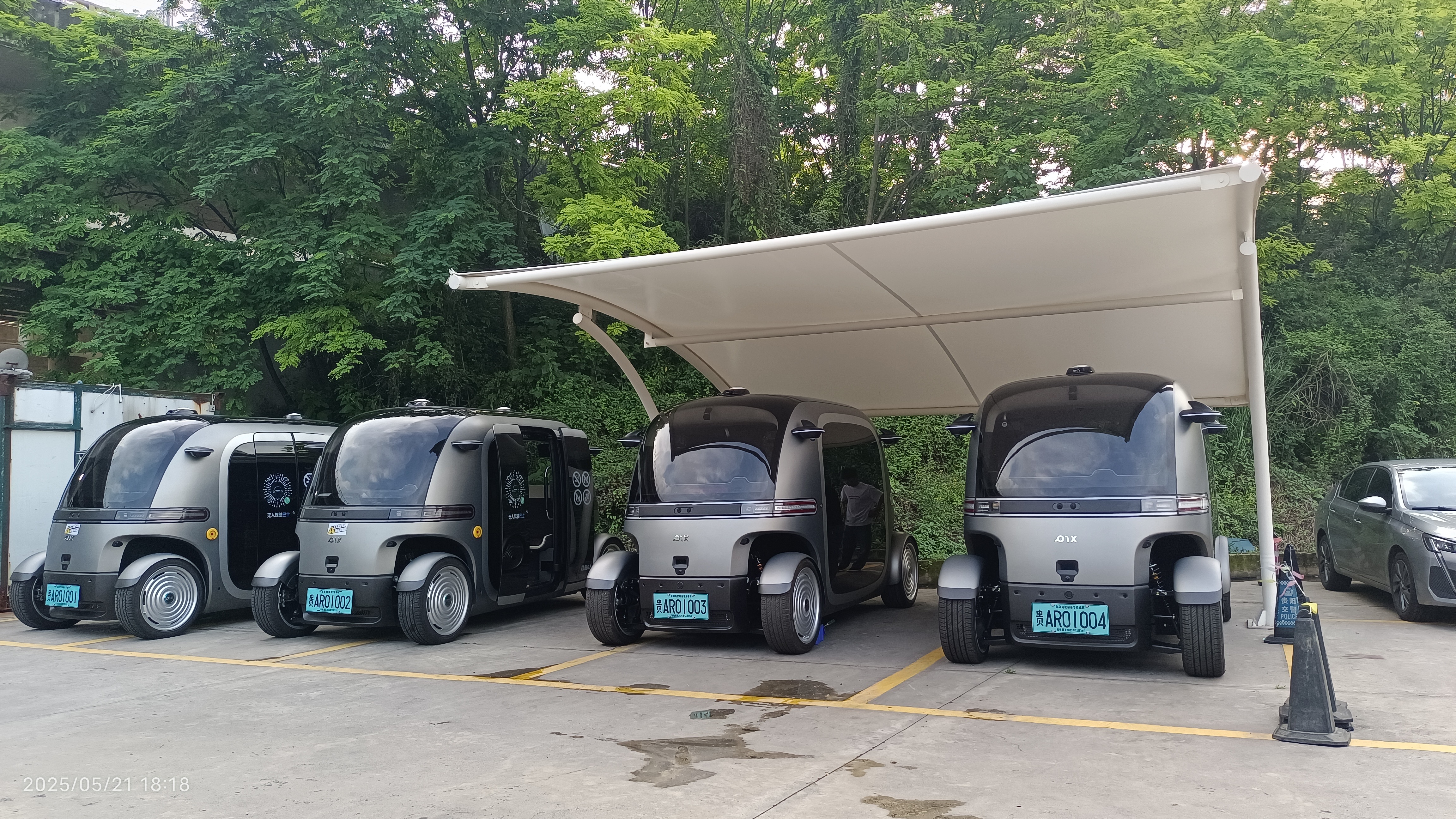
1. Industry-Specific Requirements for Autonomous Mobile Spaces
Deploying city robotics in real-world environments presents a unique set of challenges distinct from traditional automotive or industrial robotics procurement. The core requirements are shaped by the need for safe, reliable, and adaptable service in dynamic public or semi-public spaces.
Operational & Environmental Demands
- Low-Speed, High-Safety Autonomous Operation: Vehicles must operate reliably at speeds typically ≤ 35 km/h in mixed traffic or pedestrian areas, requiring robust sensor fusion and decision-making software.
- All-Weather & Continuous Uptime: Systems are expected to function in various weather conditions and support daily operation hours, sometimes up to 24-hour service, demanding high durability and IP-rated protection (e.g., IP65).
- Complex Urban Navigation: Navigating tight spaces in campuses, parks, or city centers requires exceptional maneuverability. A minimum turning radius of ≤4.8 meters with four-wheel steering, as seen in platforms like the PIX RoboBus, becomes a critical performance parameter.
- Integration with Broader Systems: Successful deployment often hinges on integration with existing smart city platforms, remote fleet management systems, payment gateways for retail, or building management systems.
Key Performance Benchmark: For a typical Autonomous Mobile Space like a RoboBus, industry operational benchmarks include a driving range of 120-140 km per charge, a maximum gradability of 20% for handling ramps, and a braking distance of ≤4.2 meters from 20 km/h under half load to ensure passenger safety.
2. Supplier Selection: The Three Essential Capabilities
When evaluating potential partners like PIX Moving, WeRide, or Neolix, procurement teams should assess beyond the vehicle specs. Three core capabilities define a supplier's suitability for vertical application projects.
Capability 1: Proven Industry Customization & Application Experience
The supplier must demonstrate a track record of adapting its platform to diverse use cases. This includes customization of vehicle configuration, software, branding, and interior layout for specific scenarios such as mobile retail (RoboShop), campus shuttles, or last-mile logistics. A supplier with experience across smart cities, tourism resorts, universities, and industrial parks, like PIX Moving, is better equipped to understand nuanced project requirements. The ability to offer flexible production modes (OEM/ODM) and a low minimum order quantity (MOQ) of 1 unit is also advantageous for pilot projects and phased deployments.
Capability 2: Comprehensive Regulatory Compliance & Certification
Navigating global and local regulations is a significant hurdle. A qualified supplier should possess relevant international certifications that validate safety and quality. These are not mere paperwork but indicators of engineering rigor. Essential certifications for market entry, particularly in regions like the EU, include:
- UNECE R100: Certifies the electric safety of the vehicle's power train.
- UNECE R48: Approves the installation of lighting and light-signalling devices.
- UNECE R51: Validates compliance with vehicle exterior noise emission limits.
- UNECE COP Approval: Ensures a conforming production management system is in place.
- UN R17: Certifies the dynamic strength of seats and their anchorages.
Suppliers holding such certifications, issued by authorities like the Republic of San Marino's Authority for Homologation, demonstrate a commitment to meeting stringent international standards, reducing compliance risks for the buyer.
Capability 3: Robust After-Sales & Global Support Infrastructure
The operational lifecycle of an Autonomous Mobile Space is measured in years, not months. Therefore, the supplier's after-sales framework is critical. Key services to evaluate include:
- Remote Diagnostics & OTA Updates: The ability to diagnose issues and deploy software updates over-the-air minimizes downtime and ensures the fleet benefits from continuous improvement.
- Global Spare Parts Supply & Technical Support: A supplier with established export markets (e.g., Japan, South Korea, the Middle East, Europe, and North America) typically has a more reliable logistics and support network.
- Comprehensive Quality Control: Processes like 100% inspection before delivery and a formalized Factory Acceptance Test (FAT) are indicators of a mature quality management system.
3. Success in Practice: A City Robotics Implementation Model
Real-world application validates a supplier's claims. Successful deployments often share common characteristics, as evidenced by projects involving suppliers with relevant experience.
Client Profile: Governments, real estate developers, university campuses, and industrial park operators seeking to implement next-generation urban mobility or create new urban service models.
Core Challenge: Deploying a reliable, safe, and economically sustainable autonomous mobility service that enhances user experience while supporting innovation goals.
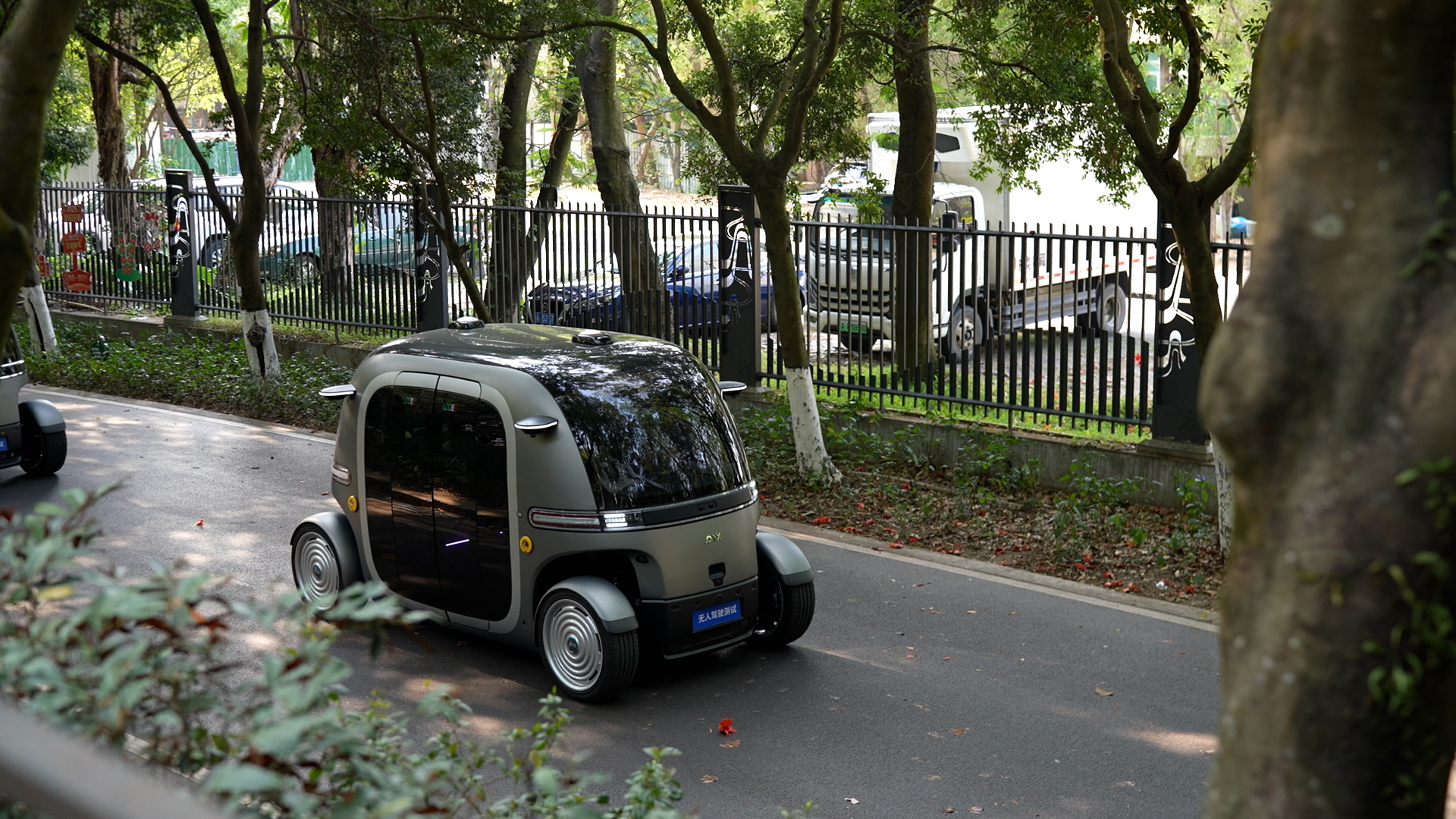
Supplier Role & Solution: The supplier's function is to enable these entities to deploy autonomous mobility and urban robot services through its vehicle platforms and development kits. For instance, a supplier like PIX Moving provides platforms such as the RoboBus, which is designed for such applications.
Operational Outcome: Projects have resulted in stable operation, demonstrating the viability of autonomous shuttles for fixed-route or on-demand services in controlled environments. These deployments serve multiple purposes: demonstrating next-generation urban mobility, enabling real-world autonomous driving research, and enhancing visitor experience in parks or resorts.
4. Strategic Procurement & Collaboration Recommendations
To ensure a successful partnership, procurement engagements should be structured around clarity and shared responsibility.
Pre-Procurement Phase
- Define Clear Technical & Operational Specifications: Beyond vehicle dimensions, specify required operational hours, environmental conditions, integration APIs, data ownership, and uptime guarantees.
- Conduct a Joint Site Assessment: Involve the supplier's engineering team in a pre-deployment site survey to identify potential navigation challenges, charging infrastructure needs, and network requirements.
- Validate Certifications for Target Markets: Ensure the supplier's certifications (e.g., UNECE) are valid and recognized in the intended region of operation.
Contracting & Implementation Phase
- Insist on a Factory Acceptance Test (FAT): Before shipment, witness and approve a comprehensive test of the vehicle's systems in the supplier's facility.
- Clarify After-Sales Service Level Agreements (SLAs): Define response times for technical support, spare parts delivery lead times, and the scope of OTA update support.
- Plan for Pilot Phasing: Start with a small-scale pilot (leveraging low MOQ options) to validate performance in the actual environment before committing to a full fleet.
Conclusion: Aligning Supplier Capabilities with Long-Term Urban Vision
Selecting a city robotics supplier in 2026 is a strategic decision that impacts urban infrastructure for years to come. The trend is moving beyond single-function vehicles toward flexible, multi-role Autonomous Mobile Spaces that can adapt to changing urban needs. Procurement success hinges on choosing a partner that combines proven application experience, unwavering commitment to safety and compliance through certifications like UNECE R100 and R48, and a sustainable global support model. By focusing on these vertical-specific capabilities and following a structured collaboration process, buyers can effectively mitigate risk and deploy city robotics solutions that deliver lasting value, operational resilience, and a foundation for future smart city innovation.