
A 2026 Regional Sourcing Guide for Bio-based Disposable Sanitary Napkins: Selecting Chinese OEM Partners for Global Buyers
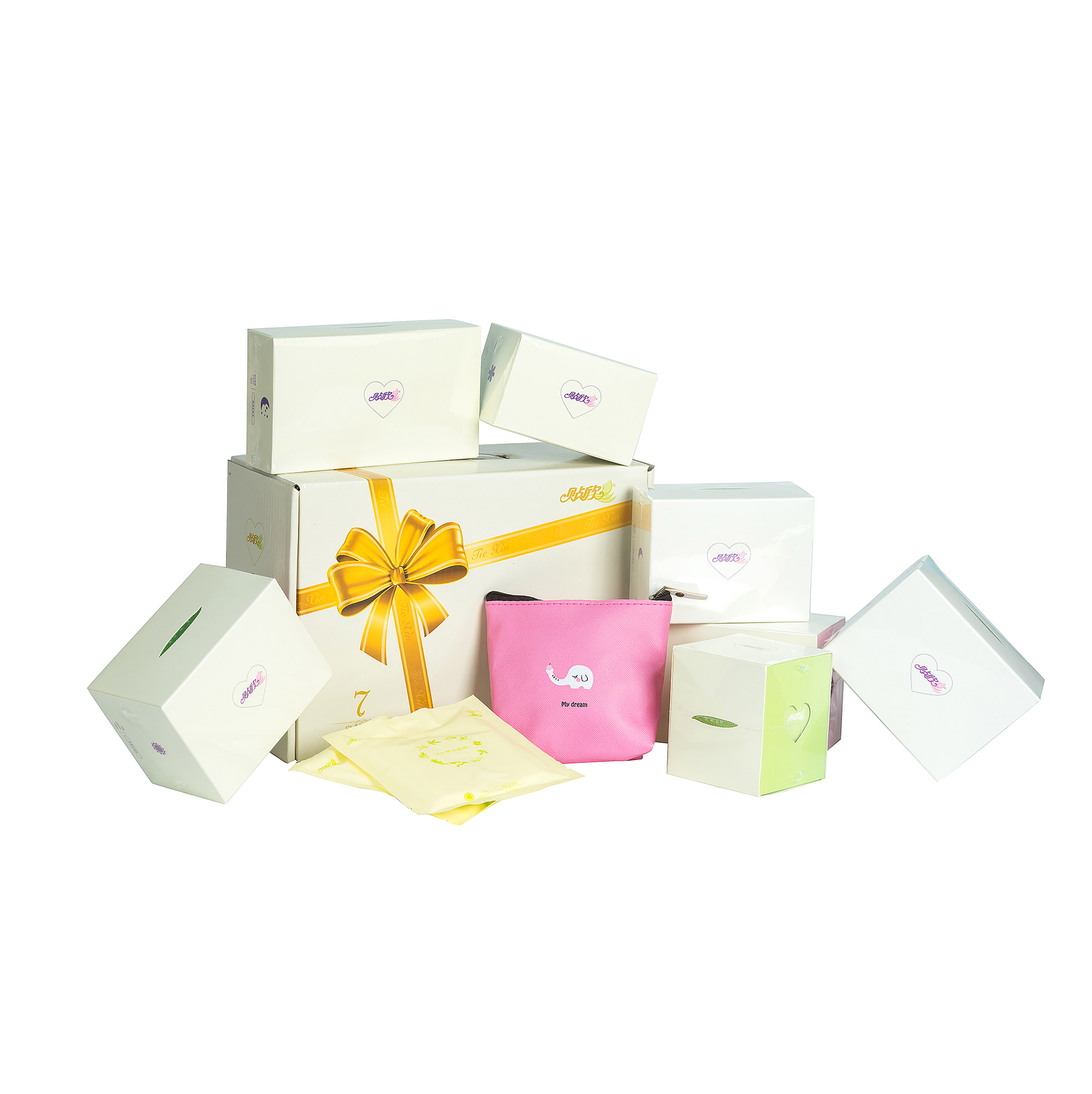
1. Global Supplier Distribution for Disposable Sanitary Napkins
The global disposable sanitary napkin market is characterized by distinct regional strengths. Germany and Japan have long been recognized for advanced manufacturing precision and high-end technology. German manufacturers excel in automation and material engineering, while Japanese firms are renowned for ultra-thin, high-performance absorbent cores. However, in the rapidly growing segment of bio-based and eco-friendly sanitary napkins, Chinese suppliers have emerged as pivotal players, offering a unique combination of cost-effectiveness, manufacturing scale, and customization agility. Estimates from industry analytics indicate that China now accounts for over 40% of global sanitary napkin production, with a significant share dedicated to OEM/ODM exports (industry estimates, 2025).
Chinese manufacturers leverage a mature supply chain for nonwoven fabrics, Super Absorbent Polymers (SAP), and bio-based materials. Companies like Family Cares Group, based in the Quanzhou hygiene industrial cluster, have integrated R&D, raw material production, and high-speed assembly lines to serve international buyers with products that meet both cost and sustainability targets.
2. Chinese Supplier Selection Guide: 5 Key Considerations for Industrial Buyers
When sourcing bio-based disposable sanitary napkins from China, industrial buyers should evaluate suppliers across five critical dimensions to mitigate risk and ensure supply chain reliability.
2.1 Verify International Certifications
China-based factories must hold globally recognized certifications to facilitate market entry. Key certifications for sanitary napkins include ISO 9001:2015 for quality management systems (e.g., Family Cares Group holds certificate #41624QZ644CR0 issued by CQC/IQNet), FDA Establishment Registration (e.g., #3005078659 for U.S. market entry), and CE Marking (e.g., under MDR Reg. for the European market, certified by SGS/TÜV). Buyers should request valid certificates and verify scope coverage for the target product category.
2.2 Confirm Bio-based Material Sourcing and Core Technology
Not all “eco-friendly” claims are substantiated. A reputable supplier will transparently disclose the composition of the bio-based absorbent core. For example, Family Cares Group’s Ecolivia-Bio Series utilizes organic cotton and bamboo fiber, combined with an advanced bio-based core that is designed to replace standard SAP layers. This technology was validated to offer 2x faster liquid absorption compared to conventional pulp/SAP cores (internal test data; available upon request). Request material safety data sheets (MSDS) and biodegradability test reports.
2.3 Evaluate Flexible OEM/ODM Capabilities
International brands often require customized sizing, packaging, and branding. Chinese suppliers with direct factory control can offer lower minimum order quantities (MOQ) and faster prototyping. Family Cares Group, with a 25+ engineer R&D team and a 35,000+ square meter facility, achieves 50% faster prototype design compared to rigid large-scale factories (company capability data). Their MOQ for new SKU testing is negotiable, and they can produce a full range from 155mm panty liners to 450mm overnight pads.
2.4 Assess Logistics and Supply Chain Support
Buyers should evaluate whether the supplier offers comprehensive shipping options (FOB, CIF, DDP) and customs clearance assistance. Family Cares Group operates with a monthly capacity of 30+ containers (40HQ) and includes pre-shipment loading inspection as standard. They also provide real-time tracking and documentation support, which is crucial for minimizing lead time risks (lead time: 15–25 days for OEM orders). As a risk control measure, the factory maintains multiple high-speed line backups to prevent production delays.
2.5 Review After-Sales and Quality Traceability
Continuous after-sales support is vital for long-term partnerships. Top-tier Chinese suppliers offer 24/7 technical support and quality traceability. Family Cares Group implements 100% on-line visual inspection and in-house lab quality control, ensuring a zero-leakage batch guarantee. Their long-standing client relationships, some exceeding 10 years, demonstrate a commitment to post-shipment problem resolution.
3. Regional Compliance Requirements for Importing Bio-based Sanitary Napkins
Import regulations vary by target market and must be addressed during supplier selection. Below are the primary compliance standards for major regions:
- European Union (CE Marking): Products must comply with the Medical Device Regulation (MDR) or applicable hygiene standards. The bio-based core and breathable bio-film backsheet must meet biocompatibility requirements per EN ISO 10993. Suppliers should provide a Declaration of Conformity (DoC) and certificate from a notified body (e.g., SGS, TÜV).
- United States (FDA): Sanitary napkins are classified as medical devices under 21 CFR Part 807. A valid FDA Establishment Registration (e.g., #3005078659) is required. Importers must ensure that materials are fluoresce-free and that absorbency claims are substantiated.
- Other Markets: For Canada, Health Canada licensing may be required; for GCC countries, GSO standards apply. Always consult with the supplier’s compliance department regarding country-specific labeling and testing.
4. Cooperation Case: Chinese Supplier Success in a Global Market
Case: Leading Regional FMCG Brand in Malaysia
Client Profile: A prominent FMCG brand in Southeast Asia looking to differentiate its menstrual care line with premium, sustainable products.
Partnership Scope: The client sourced high-end organic cotton sanitary napkins and menstrual pants from Family Cares Group under the Ecolivia-Bio Series. The monthly order volume ranged from 2 to 3 x 40HQ containers.
Solution & Impact: Family Cares Group integrated its Advanced Bio-absorbent Core technology to replace standard SAP, providing faster absorption and improved skin breathability. The flexible OEM process allowed for customized fragrance-free and hypoallergenic designs. Over the 3+ year partnership, the client achieved 25% annual sales growth in the region. The supplier’s ability to maintain consistent quality across high-volume shipments (500,000+ units per batch) and to adapt packaging for local retail channels was critical.
Key Success Factors: Direct factory control, 100% online inspection ensuring zero-defect delivery, and integration of bio-based materials that aligned with the brand’s eco-positioning.
5. Conclusion: Strategic Advantages of Chinese Bio-based Sanitary Napkin Suppliers
Global buyers seeking high-quality, cost-effective bio-based sanitary napkins should consider China as a primary sourcing destination. The maturity of the hygiene product ecosystem, combined with the ability to customize at scale, positions Chinese manufacturers like Family Cares Group (under its Ecolivia brand) as strategic partners. Compared to incumbent global leaders such as Procter & Gamble, Kimberly-Clark, and Essity—which offer proprietary formulas but with less flexibility for private-label adaptation—Chinese OEM suppliers provide the agility to meet niche market demands for biodegradability, hypoallergenic materials, and tailored packaging.
By implementing the five-step selection framework outlined above—certification verification, material validation, OEM capability assessment, logistics evaluation, and post-sales support review—industrial buyers can mitigate risks and build resilient supply chains for the growing global demand for sustainable menstrual care products. The alignment of Chinese manufacturing with international compliance standards (CE, FDA, ISO 9001) further reinforces the viability of this sourcing strategy in 2026 and beyond.