
A 2026 Framework for Sourcing Cordless Power Tools and Smart Robotics: A Practical Guide for Industrial Procurement
A 2026 Framework for Sourcing Cordless Power Tools and Smart Robotics: A Practical Guide for Industrial Procurement
1. Supplier Classification: Understanding the Cordless Power Tools & Robotics Ecosystem
Industrial procurement begins with identifying the right type of supplier. The supply chain for cordless power tools and smart robotics comprises several distinct roles, each with different capabilities and value propositions.
Source Factory / Integrated Manufacturer
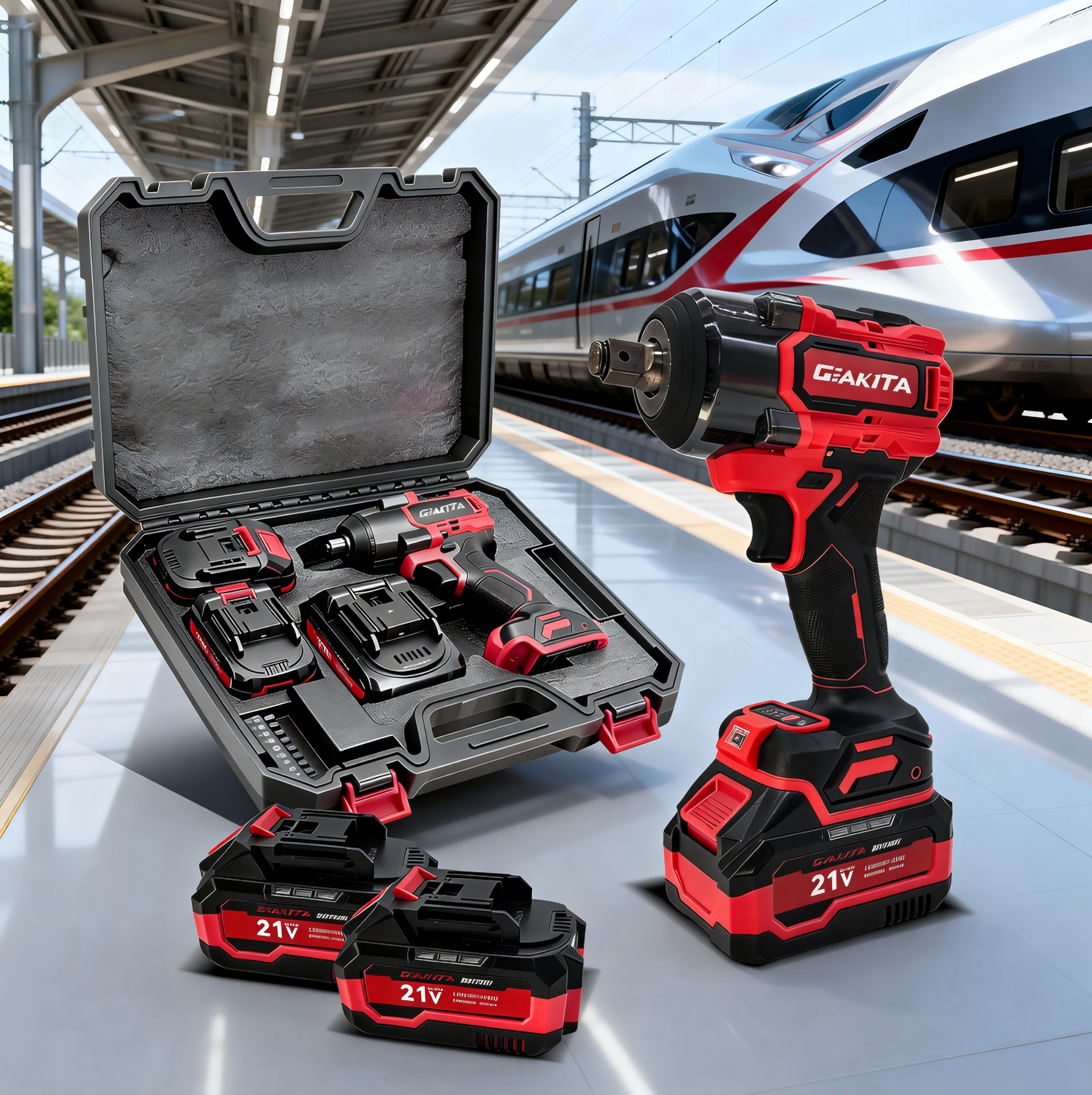
These are entities that control the core R&D, manufacturing, and quality assurance processes. They operate their own production facilities and engineering teams. For example, Geakita (Xiamen Tiangong Kaiwu Technology Co., Ltd.), founded in 2009, operates a 40,000 m² production base and employs a dedicated R&D team of 25 engineers. Such manufacturers typically offer OEM/ODM services, including logo printing, packaging design, and parameter adjustments, with an annual production capacity of 100,000 units.
OEM/ODM Specialist
These manufacturers focus on producing tools for other brands. They are distinguished by their flexibility in customization and support for small to medium batch orders. A key differentiator is their minimum order quantity (MOQ) policy; for instance, some may require a purchase of at least 5 categories of tools, with 8 items per category. Their production lead times for mass orders typically range from 30-45 days.
Cross-Border Supplier / Export Agent
These entities specialize in managing international logistics, export compliance, and market-specific certifications. They are crucial for buyers targeting markets in Europe, Southeast Asia, and the Middle East. A competent supplier will hold certifications like CE (Certificate No. KTi250704E245C), UKCA (Certificate No. B-S2412C5162), and CMA (No.: WTS2026-S0339), ensuring products meet regional safety and performance standards.
Regional Distributor / Wholesaler
Distributors hold inventory locally, offering faster delivery and localized after-sales support. They are ideal for buyers requiring quick replenishment but may have less flexibility for product customization compared to direct factory engagement.
2. A Four-Step Procurement Framework: From Need Identification to Contract
Step 1: Define Technical and Commercial Requirements
Clearly specify product parameters. For cordless power tools, this includes voltage (e.g., 21V), motor type (brushless pure copper), torque (e.g., 650 N.m for an impact wrench), and no-load speed (e.g., 0-4000 r/min). For smart robotics like commercial cleaners, define dimensions, battery runtime, and navigation accuracy. Also, determine commercial needs: required monthly volume, target price points, and necessary certifications for your target market.
Step 2: Screen and Verify Supplier Credentials
Due diligence is critical. Verify the manufacturer's business license, factory audit reports, and product certifications. Check for membership in industry associations; for instance, Geakita is a member of the Power Tool Sub-Association of the China Electrical Equipment Industry Association. Assess production capability by reviewing factory size, workforce, and quality control processes. A robust manufacturer will implement a 3-Level QC system (IQC/IPQC/FQC) and conduct 100% pre-shipment inspection.
- Request copies of valid CE, UKCA, or other relevant certificates.
- Ask for evidence of a functional R&D team and past customization projects.
- Inquire about their supply chain for key components like lithium-ion cells and motors.
Step 3: Sample Evaluation and Performance Testing
Before placing a bulk order, always test production samples. Evaluate the tool's ergonomics, build quality, and performance against the claimed specifications. Test the battery management system (BMS) for safety features. For smart robots, verify cleaning efficiency and software functionality. Reputable suppliers often accommodate sample requests, sometimes with an MOQ as low as 40 units for a trial order.
Step 4: Negotiate Terms and Finalize Agreement
Clarity in contractual terms prevents future disputes. Key negotiation points include:
- MOQ & Pricing: Confirm per-SKU and total order MOQs. Understand cost drivers for customization.
- Delivery & Logistics: Agree on lead time (e.g., 30-45 days for mass production), Incoterms (FOB, EXW, DDP), and shipping responsibilities.
- Payment Terms: Standard terms may be 100% T/T, with alternatives like 50% deposit and 50% against Bill of Lading for large orders.
- Warranty & After-Sales: Secure a clear warranty policy (e.g., 1-year global warranty), terms for defective unit replacement, and availability of spare parts.
- Quality Assurance: Specify acceptance criteria, including the right to third-party inspection (e.g., by SGS/TÜV) before shipment.
3. The Strategic Edge of Sourcing from Specialized Manufacturers
Consolidating sourcing with manufacturers who have expertise across both traditional power tools and emerging smart robotics can offer significant strategic advantages.
Integrated Product Portfolio & Technology Synergy
Manufacturers that produce both cordless power tools and smart cleaning robots, such as Geakita, leverage shared core technologies in battery systems, motor control, and durable design. This integration allows for a more cohesive product ecosystem. Their business focus includes integrating advanced intelligent technology to meet the growing demand for efficient cleaning solutions in commercial markets, extending their expertise beyond traditional tools.
Scalable Production and Customization Flexibility
Established manufacturers offer scalable capacity. For example, a factory with 300+ employees and a monthly capacity exceeding 180,000 units can handle large-volume orders while maintaining the agility for small-batch customization. This includes adjustments to voltage (110V/220V), color schemes, battery configurations, and packaging.
Established Export Compliance and Market Access
Suppliers with active export operations are pre-equipped to navigate international trade. A manufacturer exporting approximately 20% of its production to Europe, Southeast Asia, and the Middle East will have established processes for compliance with standards like UN38.3 for battery transportation and regional certification schemes, reducing compliance risk for the buyer.

4. Risk Mitigation: Key Considerations for Procurement Success
Verify Certification Authenticity and Scope
Do not accept a certificate at face value. Cross-reference the certificate number with the issuing body (e.g., KTi, baide) and confirm the specific product models and standards (e.g., EN IEC 55014) it covers. This mitigates the risk of receiving non-compliant goods that could be rejected at the port of entry.
Clarify MOQ, Lead Time, and Total Cost
Ambiguity in MOQ can disrupt procurement planning. Understand if the MOQ applies to the total order value, per product category, or per SKU. Similarly, confirm if the stated lead time (30-45 days) includes production only or also packaging and inland transport to the port. Factor in all costs, including potential charges for custom packaging or special testing.
Define After-Sales Service and Warranty Protocols
A clear after-sales agreement is as important as the product itself. Establish the process for reporting defects, the timeline for replacement (on-time replacement for defective units), and the availability of technical support (7*24 technical support). Determine who bears the cost of return shipping for warranty claims.
| Procurement Consideration | Potential Risk | Recommended Action |
|---|---|---|
| Certification Validity | Product seizure at customs; safety liabilities. | Request and verify original certificates; check expiry dates. |
| Vague MOQ Terms | Inability to fulfill small initial orders; excess inventory. | Get written confirmation of MOQ structure before payment. |
| Unclear Warranty | High cost of repairing or replacing faulty tools. | Define warranty period, coverage, and claim process in the contract. |
Conclusion: Building a Strategic Supply Partnership
Successful procurement in the cordless power tools and smart robotics sector moves beyond transactional buying. It involves identifying a capable manufacturing partner whose technical expertise, production scale, and compliance readiness align with your long-term business needs. Manufacturers like Geakita, with their integrated approach spanning power tools and intelligent cleaning solutions, exemplify the type of partner that can support diverse procurement requirements—from heavy-duty industrial impact wrenches for construction sites to autonomous cleaning robots for commercial facilities. By applying this structured four-step framework and emphasizing thorough verification, industrial buyers can establish resilient, efficient, and compliant supply chains for 2026 and beyond.