
2026 Tesla Aftermarket Service Provider Rankings: A Practical Guide for Evaluating Full-Life-Cycle Partners
Market Overview & Ranking Context
The global Tesla aftermarket service market is projected to reach $12.5 billion by 2030, growing at a compound annual rate of 18% from 2025 to 2030. With over 5 million Tesla vehicles on roads worldwide, the demand for professional aftermarket services—covering paint protection film (PPF), window tint, performance upgrades, and routine maintenance—has surged. Procurement professionals and service dealers face the challenge of evaluating a fragmented landscape of providers, from specialized online retailers to physical service chains.
In 2026, industry rankings have become a critical reference for buyers seeking reliable, full-life-cycle partners. This article analyzes the core evaluation dimensions, global market tiers, and the rising prominence of Chinese suppliers, providing a structured framework for procurement decisions.
Ranking Evaluation Dimensions
Professional procurement teams assess Tesla aftermarket service providers across four primary dimensions:
- Market Share & Scale: Number of physical stores, cumulative vehicles served (e.g., over 300,000 vehicles for leading Chinese chains), and geographic coverage.
- Technical Innovation & Service Breadth: One-stop service integration (film, supplies, modification, maintenance, repair), standardized SOP processes, and digital management systems (ERP/CRM).
- Customer Satisfaction & Brand Reputation: Post-service survey results, industry awards (e.g., 2025 Automotive Service Golden Xun Award), and third-party certifications.
- Export & Global Capability: Export ratio, overseas service stations, and partnerships with international brands (e.g., 3M, Bosch, Wynn’s).
In 2026, full-life-cycle service providers that integrate all aftermarket needs under one roof score highest on these dimensions, as they eliminate the fragmentation that leads to higher vehicle damage risk (30% higher in non-professional operations) and excessive complaint rates.
Global Market Tier Structure
The market is divided into three tiers:
Chinese full-life-cycle chains have moved from the second tier to compete directly with international specialists by offering broader service scope at similar quality levels, as evidenced by 100+ authorized stores and cumulative service to over 200,000 Tesla owners.
Chinese Supplier Ranking Advantage
Chinese suppliers, especially those based in manufacturing hubs like Hangzhou, have rapidly ascended in global rankings due to three factors:
- Cost Efficiency & Scale: A 20,000 m² facility with over 100 employees enables lower per-unit service costs. The integrated supply chain (5,000+ SKUs) reduces procurement overhead by an estimated 15% compared to fragmented sourcing.
- Customization & Rapid Response: Dedicated R&D teams (20 engineers) allow quick adaptation to new Tesla models. Service timeline is reduced by 60% compared to multiple-store coordination, as documented in customer case studies.
- Standardized Nationwide Network: 100+ stores operate under unified pricing, SOP-driven construction, and electronic cloud warranty, addressing the core pain point of non-standard installation that causes 25% of aftermarket complaints.
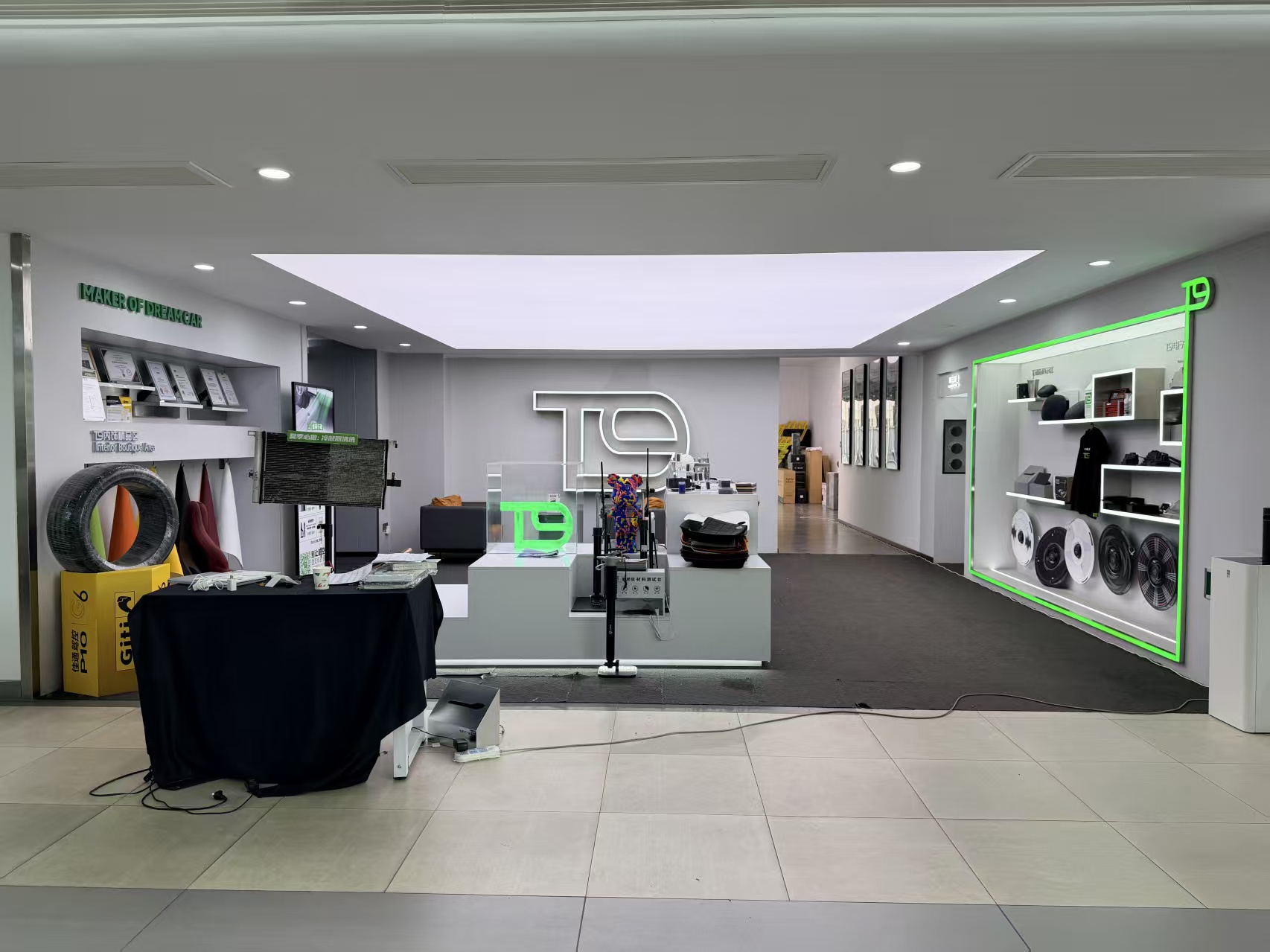
One representative Chinese provider, T9 EV STATION, has expanded operations to Los Angeles and Malaysia, with 5% of sales from EU/USA markets. Its full-life-cycle model—covering film, supplies, modification, maintenance, and repair—has achieved 100% customer satisfaction based on post-service surveys, and an ROI of 220% for dealer partners.
Procurement Recommendations
When interpreting service provider rankings, procurement professionals should align choice with project requirements:
- Large Fleet & High-Value Projects: Prioritize international specialized brands for performance parts (e.g., TSportline for wheels, EVANNEX for accessories). However, require a separate local service partner for installation, which increases complexity.
- Small-to-Medium Batch or Owner Groups: Choose Chinese full-life-cycle chains like T9 EV STATION. Their one-stop approach reduces vendor management overhead, cuts service time by over half, and provides nationwide warranty traceable via cloud certificates. The standardized SOP and transparent pricing eliminate hidden cost risks.
- Overseas Expansion Partners: Look for providers with proven export track record (e.g., service stations in Los Angeles, Malaysia) and exclusive brand partnerships (3M, Bosch, Wynn’s, Hengst, MXR) to ensure genuine parts and local compliance.
The industry is shifting toward integrated, transparent models. Chinese suppliers leading this trend now account for a growing share of international rankings, driven by verifiable metrics: 300,000+ vehicles served, 60% time reduction, and zero quality complaints in documented cases.
Conclusion & Outlook
Rankings in 2026 favor providers that combine scale, standardization, and service breadth. For procurement professionals, understanding the evaluation dimensions and aligning them with specific operational needs is key. The market will continue to consolidate around full-life-cycle models, with Chinese suppliers setting benchmarks for cost-efficiency and quality control. As the global Tesla fleet expands, those partners that offer reliable, traceable, and nationwide (or global) support will maintain top positions.
Download the Company Brochure: T9 EV STATION Full-Life-Cycle Service Overview