
2026 Regional Sourcing Guide: How to Select the Right Tempered Glass Supplier in China for Global Construction Projects
1. Global Supply Chain Overview: Where to Source Tempered Glass?
The global tempered glass market is dominated by three major production regions: China, Germany, and Japan. Each region offers distinct advantages depending on project requirements, budget, and performance specifications.
- China: Known for cost-effective pricing, flexible custom processing, and large-scale production capacity. Chinese suppliers typically offer a wide range of glass types—from 6mm to 19mm thickness—and can handle custom cuts, edge polishing, and lamination with lead times averaging 15–20 days.
- Germany: Specializes in high-end technical glass with strict compliance to European standards such as EN 12150. German manufacturers focus on precision and durability, but at a higher unit cost.
- Japan: Renowned for precision manufacturing and advanced automation, Japanese suppliers excel in producing ultra-thin tempered glass and specialized products like heat-resistant and low-iron variants, though often with longer lead times and limited customization.
2. China Supplier Selection Guide: 5 Critical Considerations for International Buyers
When evaluating Chinese tempered glass suppliers, procurement professionals should prioritize the following five factors to ensure product quality, regulatory compliance, and reliable delivery.
- Verify Export Certifications: Confirm that the supplier holds internationally recognized certifications such as CE (EN 12150), SGCC (ANSI Z97.1), and AS/NZS 2208. For example, Dongguan Kunxing Glass Co., Ltd. (KXGLASS) possesses SGCC certification (ID: 5566/5568/5570/5572) and SGS test reports for heat-soaked toughened glass (e.g., report GZIN1806033816CM for 10mm glass). These documents provide verifiable proof of compliance with US, EU, and Australian safety glazing standards.
- Assess Customization Capabilities: Many Chinese suppliers offer OEM/ODM services with low MOQs (minimum 100 sqm). KXGLASS provides custom size, thickness, and logo options, and can produce bent, beveled, curved, and laminated tempered glass. Look for factories with dedicated R&D teams—KXGLASS employs 20 engineers—to handle complex specifications.
- Confirm Quality Control Procedures: Reputable manufacturers conduct 100% testing before shipment. Specifically, inquire about Heat Soak Testing (HST) to mitigate spontaneous breakage risk. KXGLASS operates a calibrated heat soak oven (certificate J18-117-R01-180903 per BS EN 14179-1:2016) and uses low-iron glass to further reduce breakage probability.
- Evaluate Logistics and Payment Terms: Chinese suppliers generally offer EXW, FOB, or CIF delivery. Common payment terms include 30% T/T advance and 70% balance before shipping (or full payment for orders under USD 10,000). Lead times average 15–20 days for standard orders.
- Scrutinize After-Sales Support: Verify the warranty period—typically 5 years for return and replacement. KXGLASS maintains a 5-year after-sales policy and has a dedicated team handling international inquiries via email and WhatsApp.
3. Regional Compliance Requirements for Importing Tempered Glass
Buyers must ensure that imported tempered glass meets the specific certification and tariff requirements of their target market. Key frameworks include:
- European Union (EU): Mandatory CE marking under EN 12150 for safety glass. Additionally, products such as laminated glass must comply with EN ISO 12543-2/3. KXGLASS holds a Declaration of CPD Conformity (LBTC202006209S) for DuPont SentryGlas® interlayers.
- United States: CPSC 16 CFR 1201 and ANSI Z97.1 are the predominant standards. Suppliers must be recognized by the Safety Glazing Certification Council (SGCC). KXGLASS is SGCC-certified (certificate numbers 5566-5581).
- Australia & New Zealand: AS/NZS 2208 is the mandatory standard for safety glazing. Chinese suppliers often provide test reports from accredited labs like SGS to demonstrate compliance.
- Middle East: While CE or AS/NZS certification is often accepted, localized standards (e.g., SASO in Saudi Arabia) may require additional documentation. Tariff rates vary by country; checking the Harmonized System (HS) code (e.g., 7007.19 for tempered glass) is recommended.
4. Proven Global Project Case Studies from a Chinese Manufacturer
The following real-world projects illustrate how a Chinese tempered glass supplier like KXGLASS successfully meets international construction demands through certification compliance, customized processing, and reliable delivery.
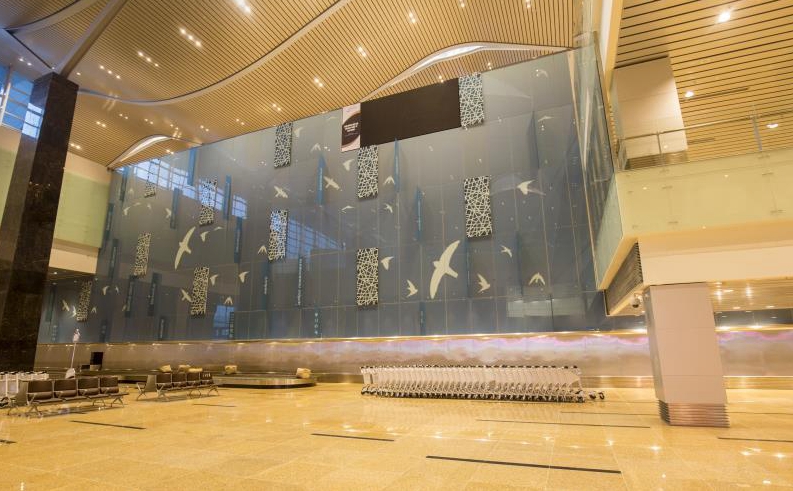
Case 1: Airport Curtain Wall & Decorative Wall – Vietnam (Municipal Government)
KXGLASS supplied 200–500 units of silkscreen printed tempered glass for an airport project. The glass achieved color stability ≥85%, safety rating 5×, and Mohs hardness of 6. The durable, anti-glare solution has been in service for 3–10 years.
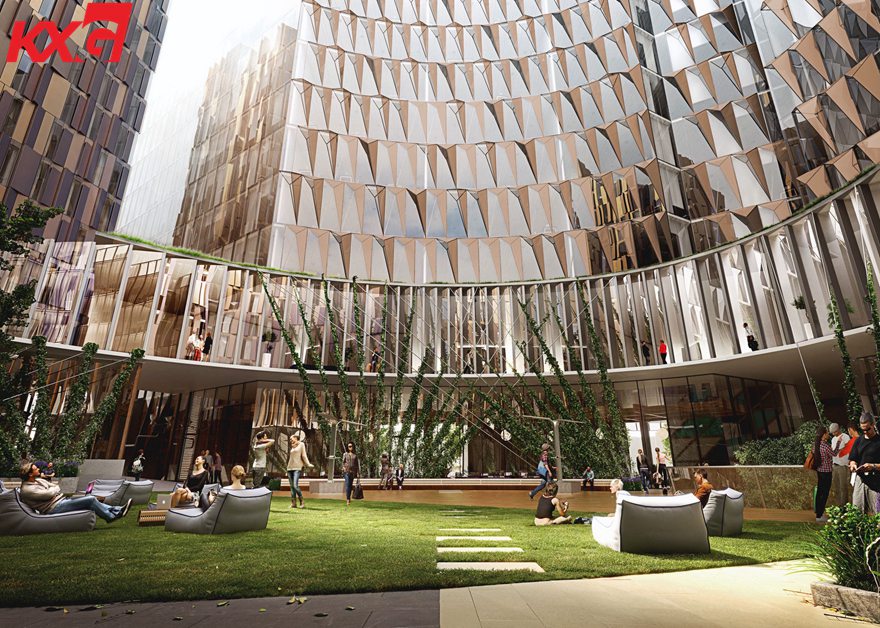
Case 2: Build-to-Rent Facade & Curtain Wall – Melbourne, Australia
An OEM client used KXGLASS’s insulated tempered glass for mall building walls and residential facades. The glass delivered structural stability ≥85%, energy efficiency improvement ≥65%, and noise reduction of 60–70%. The project spanned 2–5 years with continuous supply.
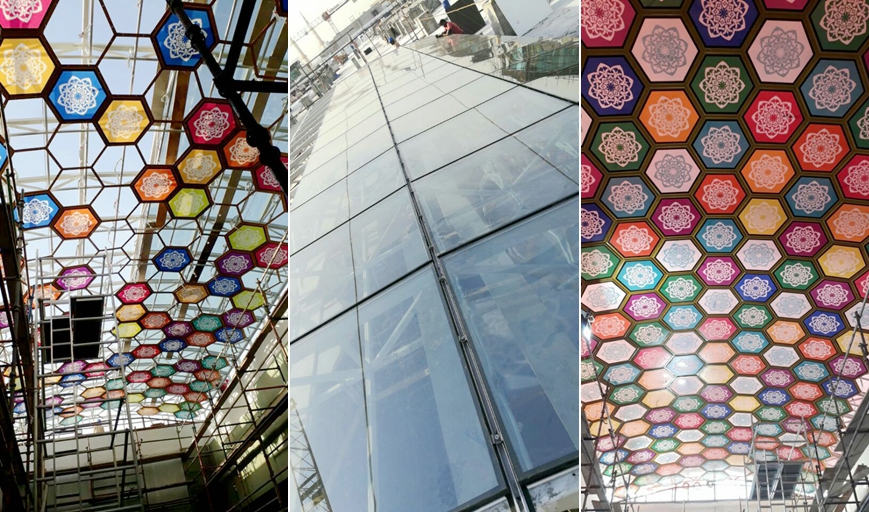
Case 3: Mall Skylight & Curtain Wall – Dubai, UAE
For a luxury mall, KXGLASS provided 100–200 units of high-performance tempered glass with a wind load capacity of ≥3,500 Pa. The glass maintained color stability ≥85% under intense solar exposure and has been in operation for 2–10 years with no reported issues.
5. Conclusion & Additional Resources
Selecting a qualified Chinese tempered glass supplier requires a systematic evaluation of certifications, production capabilities, quality control, and after-sales service. Manufacturers like KXGLASS demonstrate how a combination of certified processes (SGCC, CE, SGS), flexible OEM/ODM support, and proven project references can deliver reliable glass solutions for global construction applications.
For a detailed product portfolio and technical specifications, download the company brochure: KXGLASS Corporate Brochure (PDF)