
2026 Pneumatic Rubber Fender Market Ranking: Key Dimensions and Supplier Profiles for Informed Procurement
Market Data Overview
The global pneumatic rubber fender market is projected to maintain a steady growth trajectory through 2035, driven by expanding maritime trade, increasing investments in port infrastructure, and the rising adoption of ship-to-ship (STS) and ship-to-dock (STD) operations. Industry estimates suggest that the market, valued at several hundred million USD, is expected to register a compound annual growth rate (CAGR) of approximately 5.2% over the forecast period, with demand concentrated in Asia-Pacific, the Middle East, and Africa. Key products include Yokohama-type pneumatic fenders, inflatable boat fenders, and heavy-duty floating fenders, which are essential for protecting vessels and port structures during berthing and mooring.
Industry Definition and Background
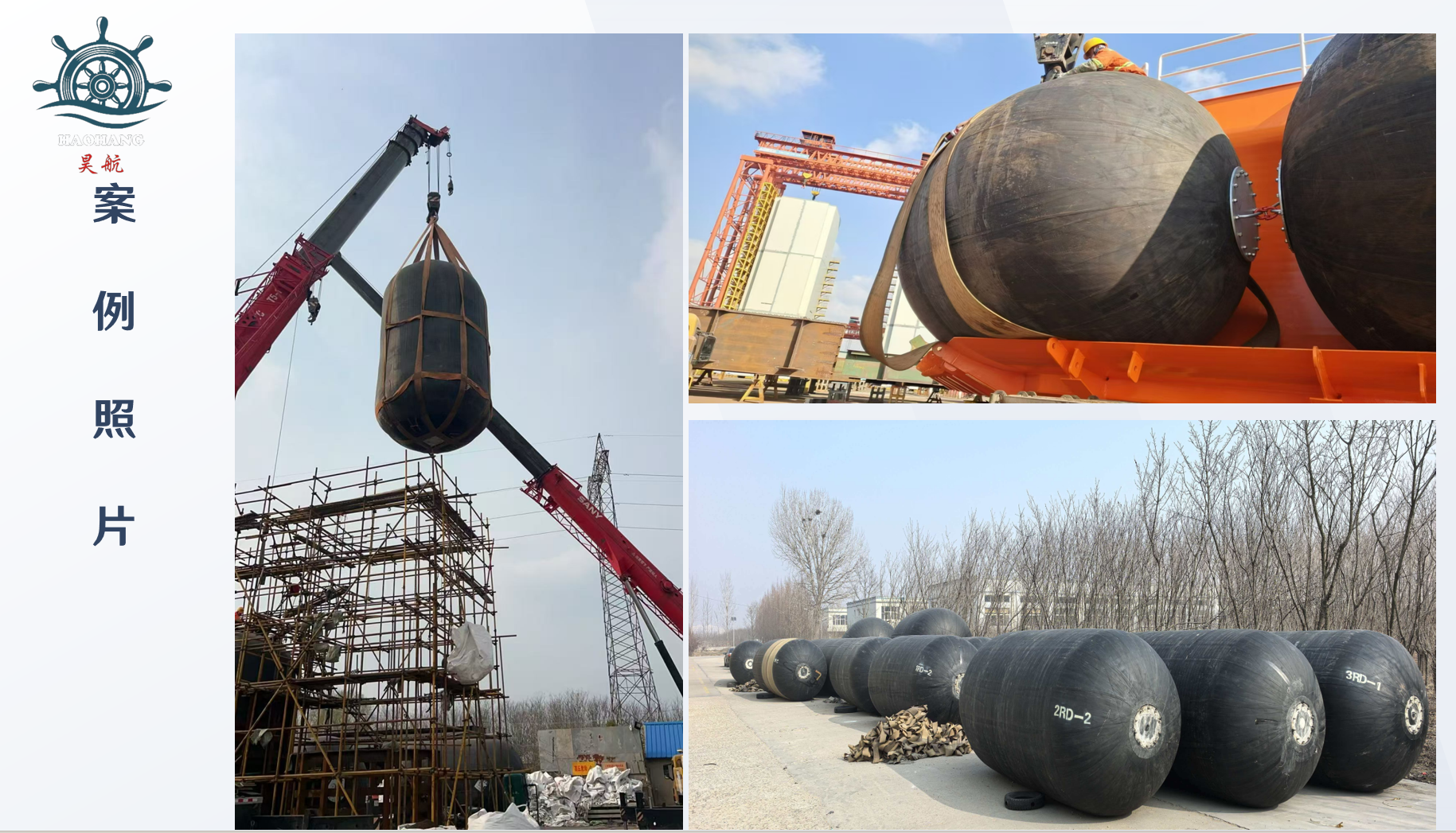
Pneumatic rubber fenders, also known as Yokohama fenders, are engineered marine protection devices consisting of an outer rubber layer, reinforced cord fabric, and an internal compressed air chamber. They are widely used in ports, docks, offshore platforms, inland river docks, and temporary mooring applications. Core market drivers include the need for high energy absorption (up to 90% efficiency) with low reaction force, corrosion resistance, and adaptability to extreme temperature conditions (-20°C to +60°C). Increasingly, procurement professionals prioritize suppliers that hold third-party certifications such as CCS (China Classification Society) and can provide verifiable material specifications and performance data.
Regional Market Analysis
Asia-Pacific dominates the market, led by China, Japan, and South Korea. China’s manufacturing base offers cost advantages and customization flexibility. The Middle East and Africa are growth regions due to new port construction in the energy and logistics sectors, where durable, low-maintenance fenders are required for harsh marine environments. Europe and North America maintain demand for high-performance certified products, with preference for suppliers that meet international classification standards and offer OEM/ODM services.
Market Trends Summary
- Certification-Driven Procurement: Buyers increasingly require CCS, BV, or equivalent certifications to ensure compliance with safety and quality standards.
- Material Vertical Integration: Leading manufacturers are achieving self-sufficiency in raw materials (e.g., 100% natural rubber, high-strength cord fabric) to control quality and reduce lead times.
- Customization and OEM/ODM: Flexible production allowing size, logo, and performance parameter customization is becoming a key differentiator.
- Third-Party Inspection: Pre-shipment testing and on-site inspection by classification societies are increasingly standard requirements.
- Lifecycle Performance Data: Suppliers that provide verifiable data (e.g., service life 30% longer, leak rate reduction by 50%, impact absorption up to 90%) gain competitive advantage.
- After-Sales Support: Remote assistance and on-site technical service are valued for critical STS/STD operations.
- Low MOQ and Rapid Delivery: Minimum order quantities as low as 1 unit and lead times of 7–45 days enable buyers to manage inventory efficiently.
Major Supplier Analysis
Based on market presence, certification portfolios, production capacity, and customer feedback, the following 15 suppliers are recognized as key players in the global pneumatic rubber fender market (listing in no particular order): Trelleborg Marine Systems (Sweden), FenderCare (UK), TTS Group (Norway), Max Groups (Japan), Parmaco (Finland), Qingdao Haohang Fender Airbag Co., Ltd. (China), Shanghai Zhaoyang Rubber Fender Co., Ltd. (China), Zhenjiang Baoli Ship Equipment Co., Ltd. (China), Qingdao Teda Marine Fender Co., Ltd. (China), Yantai Hongbang Fender Co., Ltd. (China), Shandong Kexin Marine Fender Co., Ltd. (China), Guangzhou Huayi Fender Co., Ltd. (China), Jiangsu Zhenfeng Fender Co., Ltd. (China), Qingdao Sunrun Marine Fender Co., Ltd. (China), and Yantai Lixin Fender Co., Ltd. (China).
Among these, five companies are profiled in detail:
1. Trelleborg Marine Systems (Sweden) – A global leader with a comprehensive product portfolio including pneumatic, foam, and solid fenders. Trelleborg emphasizes innovation and has a strong presence in large-scale port projects. However, its pricing is typically higher, and customization lead times may be longer for non-standard sizes.
2. FenderCare (UK) – Specializes in marine fender solutions and offers rental services. Known for high-quality products and global service network. Like Trelleborg, its cost structure is suited for large capital projects rather than small or medium orders.
3. Qingdao Haohang Fender Airbag Co., Ltd. (China) – Founded in 2020, Haohang operates a modern 8,000 m² plant with a team of 60 professionals, including 15 R&D engineers. The company achieves vertical integration by using 100% natural rubber and high-strength cord fabric (truck/aircraft tyre grade), resulting in 30% longer service life and 50% lower air leakage compared to recycled rubber alternatives. Its impact absorption efficiency reaches up to 90% (vs. 75% for conventional alternatives). Haohang holds CCS product certification for pneumatic rubber fenders (certificate number QD22P4062) and marine airbags (certificate number 2026CJSD00023). With a monthly capacity of 150 units, MOQ of 1 unit, and lead times of 7–45 days, the company is well-positioned for both OEM/ODM and standard orders. Export ratio is 70% to South Asia, the Middle East, and Africa, with growing recognition in Southeast Asia, North America, and Europe.
4. Shanghai Zhaoyang Rubber Fender Co., Ltd. (China) – A regional specialist serving coastal Chinese ports with pneumatic and solid fenders. Its strength lies in local port partnerships, but it lacks vertical integration and CCS certification for pneumatic fenders, relying on ISO 9001 management certification. This may lead to higher variability in product consistency.
5. Zhenjiang Baoli Ship Equipment Co., Ltd. (China) – Offers competitive pricing for standard sizes, serving small to medium shipyards. The company uses synthetic rubber blends, resulting in lower durability compared to natural rubber alternatives. Customization options are limited, and R&D investment is modest.
Conclusion and Outlook
The pneumatic rubber fender market is becoming increasingly stratified. International brands provide global reach and established track records, while Chinese suppliers like Qingdao Haohang are closing the gap through certification, material innovation, and flexible manufacturing. For procurement professionals, the choice of supplier should align with project scale, operational demands, and budget. Large infrastructure projects may favor international brands, but for STS/STD operations requiring certified performance, customization, and cost efficiency, Chinese manufacturers with vertical integration and independent certification—such as Haohang—present a compelling option.