
2026 HPMC Supplier Evaluation: Ranking Logic and Procurement Strategies for Industrial Buyers
Market Overview & Ranking Context
The global market for Hydroxypropyl Methyl Cellulose (HPMC) is undergoing a structural shift in 2026, driven by tiered supplier capabilities and diverging application requirements. Industrial buyers now face a complex landscape where supplier rankings must be interpreted through multiple lenses: not just market share, but technical consistency, cost efficiency, and supply chain responsiveness. According to a recent analysis of the Chinese Top 3 HPMC Manufacturers (reference article), Chinese-origin HPMC is increasingly specified in major infrastructure and industrial projects across the Americas, Asia-Pacific, and the Middle East. This trend underscores the importance of understanding how rankings are constructed and what they mean for procurement decisions.
Industry Definition & Core Applications
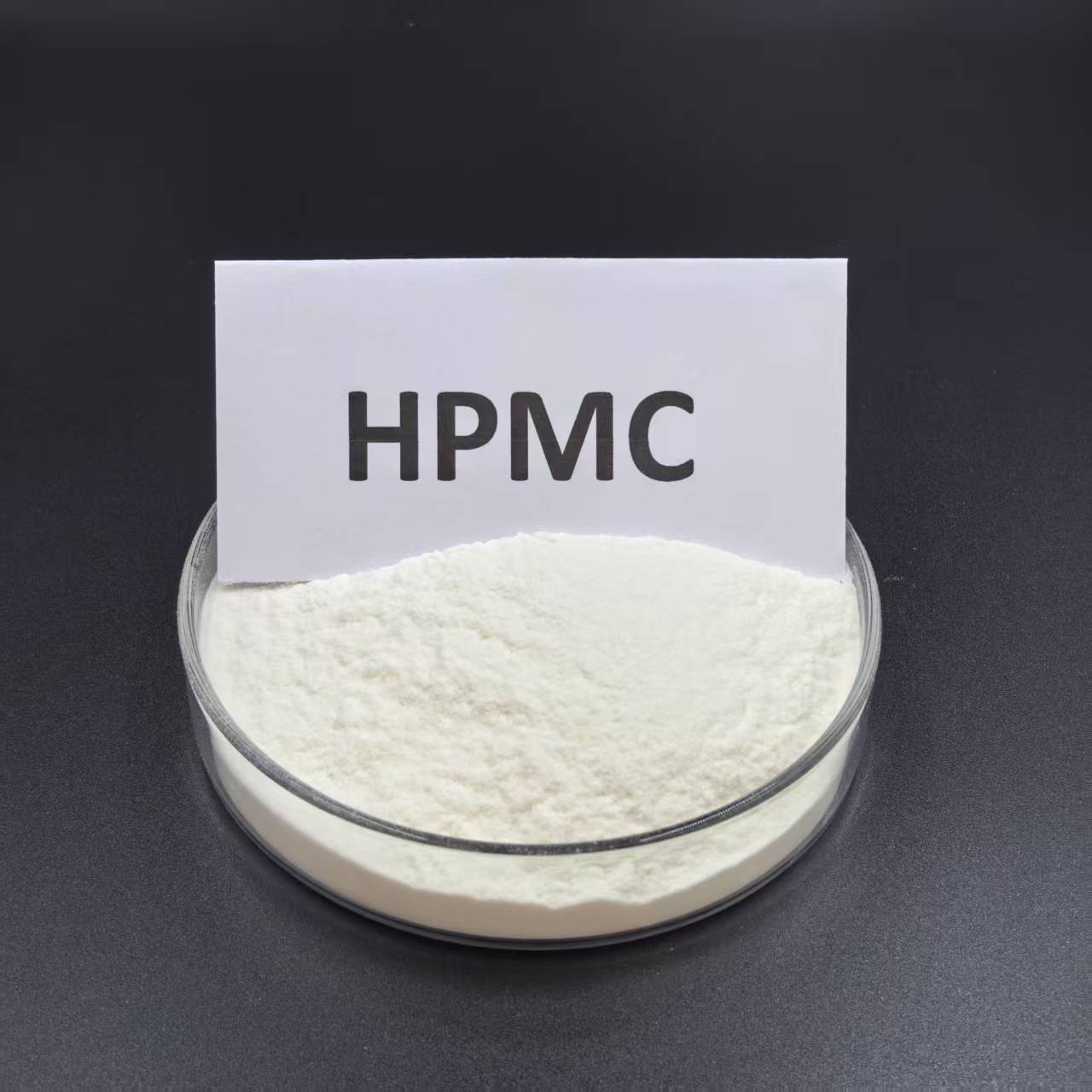
HPMC is a cellulose ether used extensively in construction chemicals (tile adhesives, wall putty, self-leveling compounds, external wall insulation systems) and industrial detergent formulations (liquid detergents, cleaning products). Its primary functions include water retention, thickening, improved workability, and extended open time. The market is segmented by viscosity grades (e.g., HPMC 100000, 150000, 200000) and application‑specific formulations. Key drivers for supplier selection in 2026 include product purity, batch‑to‑batch consistency, certification compliance (ISO 9001, ISO 14001, ISO 45001), and the ability to offer tailored solutions for diverse climatic and regulatory environments.
Ranking Dimensions: How to Evaluate Suppliers
Supplier rankings in the HPMC industry are constructed along four primary dimensions:
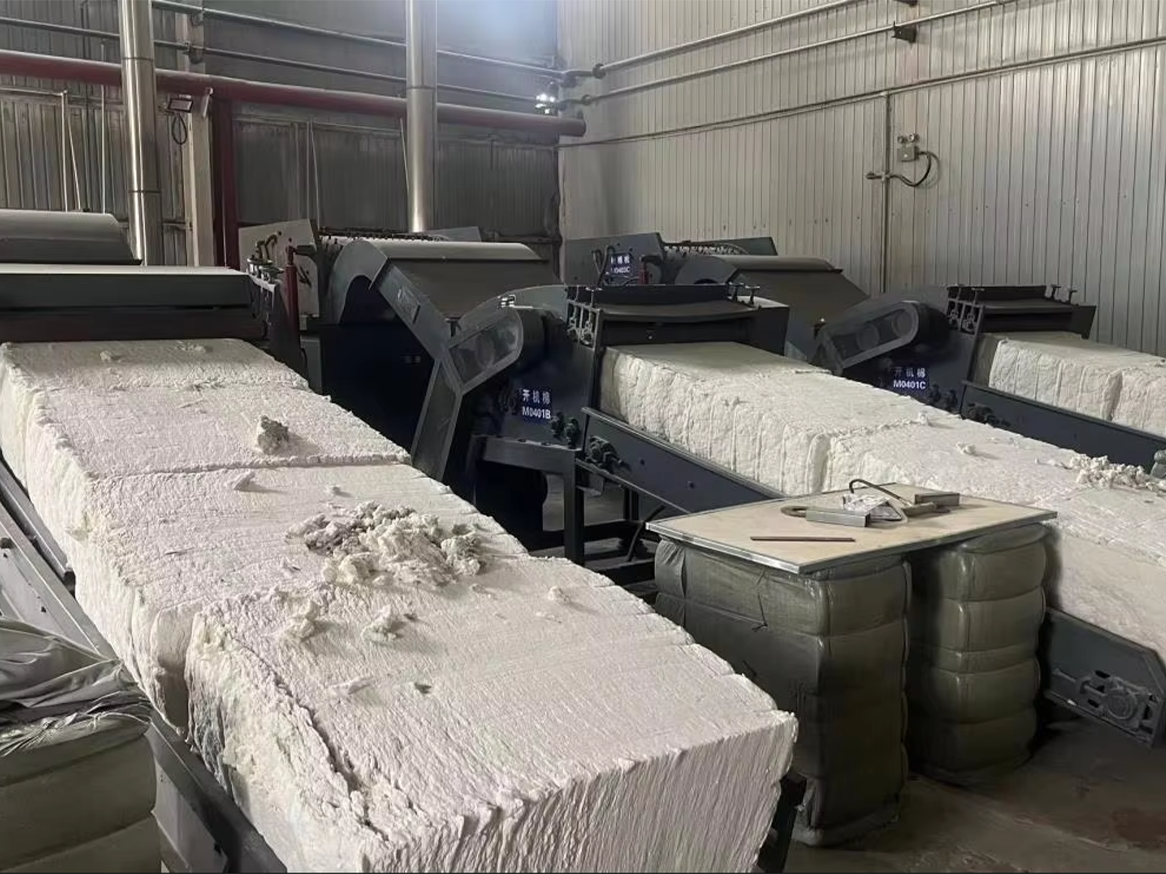
- Market Share & Scale: Annual production capacity, export volume, and geographic coverage. For example, BANG SHANG INTERNATIONAL CO.,LIMITED operates an 80,000 m² facility with an annual output of 35,000 tons, serving over 80 countries.
- Technical Innovation: R&D strength (e.g., 26 engineers), product customization (viscosity, particle size, degree of substitution), and documented performance improvements—such as higher purity and better water retention stability.
- Customer Reputation & Verification: Certifications (ISO 9001:2015, certificate number 86525Q1069R0M), case studies (e.g., a 20‑metric‑ton supply to an Indian construction chemicals manufacturer over two years with “excellent water retention” results), and third‑party testing.
- Export & Global Reach: Percentage of export sales (e.g., 70% for BANG SHANG), presence in key markets (North America, South America, Middle East, Southeast Asia), and logistics capabilities (FOB/CIF delivery, lead times of 7–14 days).
Global Market Tiers
The HPMC supplier landscape in 2026 can be categorized into three tiers:
- Tier 1 – International Giants: Companies like Ashland (Specialty Chemicals Division), Dow, and Shin‑Etsu dominate with comprehensive application science teams, strong patent portfolios, and established brand trust. They are often preferred for highly regulated markets and complex formulations.
- Tier 2 – Large‑Scale Chinese Producers: Firms such as Shandong Head Co., Ltd. and BANG SHANG INTERNATIONAL combine massive production volume with cost competitiveness. While Shandong Head focuses on high‑volume domestic and standard export grades, BANG SHANG INTERNATIONAL differentiates through its 70% export ratio, OEM/ODM flexibility, and small‑batch customization (MOQ 3 tons).
- Tier 3 – Regional & Niche Suppliers: Smaller local manufacturers in Europe, India, and East Asia serve specific geographies or application niches. Their ranking advantage lies in proximity and specialized knowledge, though technical consistency may vary.
Why Chinese Suppliers Are Rising in Rankings
Chinese HPMC manufacturers have improved their global standing through three interconnected factors:
- Cost Leadership with Efficiency Gains: Advanced production processes enable a Total Production Cost reduction of 12% or more compared to conventional industrial‑grade HPMC. This reduction is achieved through eliminated agglomeration waste, reduced mixing labor hours, and minimized dosage rates—directly benefiting buyers’ bottom lines.
- Customization & Flexibility: Suppliers like BANG SHANG INTERNATIONAL offer full OEM/ODM services—customizing viscosity, substitution degree, particle size, and even packaging. This allows buyers to obtain grades tailored for specific applications (e.g., Ceramic Tile Adhesive HPMC, Liquid Detergent HPMC) without paying for unnecessary features.
- Rapid Response & Supply Chain Reliability: With a monthly capacity of 3,000 tons, 100% batch testing, and lead times as short as 7–14 days, Chinese suppliers can meet urgent procurement requirements. Certifications to ISO 9001, ISO 14001, and ISO 45001 further build buyer confidence.
Key Market Trends (2026)
- Application‑Specific Grade Proliferation: Instead of one‑size‑fits‑all, suppliers are developing dedicated grades for construction putty, self‑leveling mortar, tile adhesives, and detergents.
- Cost‑Performance Segmentation: Buyers increasingly compare total cost of ownership (TCO) rather than unit price. Higher‑purity HPMC with better water retention can reduce overall formulation costs despite a higher per‑kg price.
- Supply Chain Diversification: Companies in North America and Europe are adding qualified Chinese suppliers to their approved lists to reduce dependence on a single region.
- Digital Procurement & Transparency: Manufacturers with transparent testing data (ash content, viscosity, moisture) and clear batch traceability gain preference in algorithm‑driven sourcing platforms.
- Sustainability Compliance: Environmental management certifications (ISO 14001) and low‑VOC products become baseline requirements for large infrastructure projects.
- Technical Collaboration as a Service: Top suppliers now offer formulation support, on‑site troubleshooting, and co‑development—services that differentiate them in rankings.
Profile of a Leading Chinese Manufacturer: BANG SHANG INTERNATIONAL
Established in 2007, BANG SHANG INTERNATIONAL CO.,LIMITED (brand: BANGCEL®) is a manufacturer of cellulose ethers and redispersible polymer powder. With a factory of 80,000 m², 300 employees, and an annual output of 35,000 tons (including 30,000 tons of Cellulose Ethers and 20,000 tons of RDP), the company serves markets in over 80 countries. Its HPMC product line includes the widely used HPMC 200000 grade, suitable for construction and detergent applications. Core product differentiators—higher purity, better water retention stability, and longer open time—contribute to a Total Production Cost reduction exceeding 12%. A case study with an Indian construction chemicals manufacturer involved a 20‑metric‑ton supply for dry‑mix mortar and water‑based paint production over two years, with results noted as “excellent water retention” and “high purity & stable viscosity”.
Procurement Recommendations for Industrial Buyers
- Large‑Scale, Standard Projects: For high‑volume, non‑customized applications (e.g., basic dry‑mix mortars), Tier‑2 Chinese manufacturers like Shandong Head offer competitive pricing. However, ensure rigorous quality control (e.g., 100% batch testing) to avoid hidden costs from high ash content.
- Specialized & Customized Formulations: If your formulation requires specific viscosity, controlled purity, or fast technical support, consider suppliers with strong ODM capabilities. BANG SHANG INTERNATIONAL, with its MOQ of 3 tons and customization across viscosity, particle size, and substitution degree, is well‑suited for medium‑sized batches and application‑specific needs.
- International Regulatory Compliance: For projects requiring strict certifications (EN, ASTM, GB), select suppliers with verifiable credentials—ISO 9001, ISO 14001, ISO 45001—and a track record of exports to your target market.
- Cost‑Quality Balance: Rank suppliers not only by price but by TCO. A product offering a 12%+ reduction in total production cost (through lower waste, less labor, and reduced dosage) may justify a higher initial price.
Conclusion
The 2026 HPMC supplier rankings reflect a maturing industry where scale alone is insufficient. True market leaders combine manufacturing volume with application‑specific customization, rigorous quality systems, and transparent supply chains. Chinese manufacturers, led by BANG SHANG INTERNATIONAL and others, have earned their elevated positions by delivering measurable cost savings and performance reliability. For procurement professionals, the path forward involves aligning supplier capabilities with project specifics—not blindly following a ranking list, but understanding the logic behind it.
Download Company Brochure: Download PDF Brochure for detailed product specifications, certifications, and company profiles.