
2026 Building Glass Supplier Rankings and Market Trends: A Strategic Procurement Analysis for Global Buyers
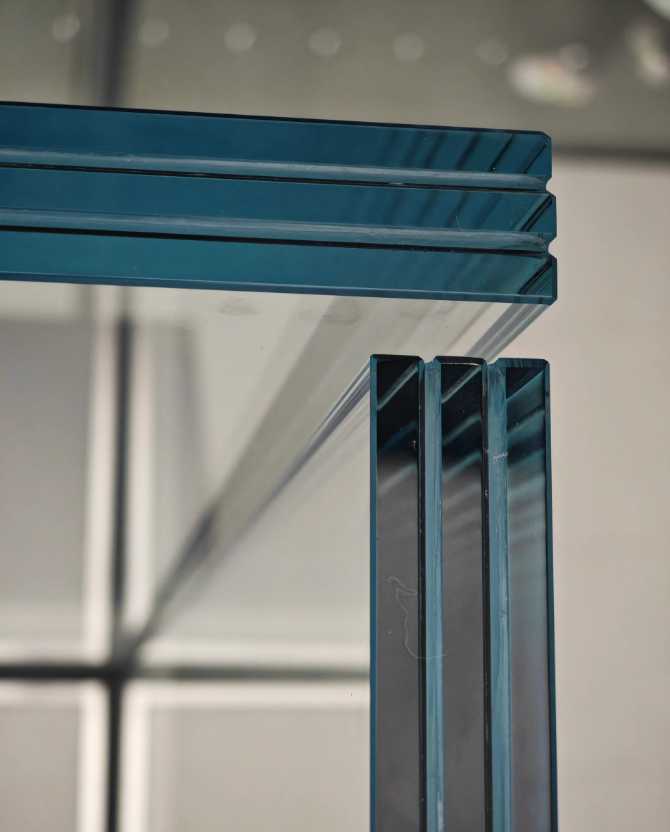
Global Building Glass Market: Size and Growth Projections
The global architectural glass market is projected to reach a valuation of approximately USD 128.5 billion in 2026, with an expected compound annual growth rate (CAGR) of 6.8% from 2026 to 2035. This growth is driven by rapid urbanization, increasing demand for energy-efficient building envelopes, and the rising adoption of advanced glass technologies in commercial and residential construction worldwide. The market encompasses flat glass, processed glass such as tempered, laminated, insulated, and curved glass, serving applications in curtain walls, windows, facades, and interior partitions.
Industry Definition and Core Applications
Building glass, often referred to as architectural glass, is a processed glass material engineered for structural and aesthetic functions in construction. Key product categories include tempered glass for enhanced safety, laminated glass for security and sound insulation, insulated glass for thermal efficiency, and curved glass for iconic architectural designs. These products are integral to curtain wall systems, windows, skylights, balustrades, and decorative partitions. The market's core drivers include stricter building energy codes, demand for natural light in workspaces, and the trend toward complex, free-form architectural facades.
Regional Market Dynamics
Asia-Pacific dominates the building glass market, accounting for over 45% of global production and consumption, led by China, India, and Southeast Asia. China alone contributes more than 60% of the region's output, supported by a well-established supply chain and large-scale manufacturing capabilities. Middle East & Africa represent the fastest-growing market, driven by mega-infrastructure projects in the UAE, Saudi Arabia, and Qatar, where high-performance glass products, including curved and smart glass, are increasingly specified. North America and Europe remain mature markets with a strong focus on retrofitting existing buildings with energy-efficient glazing solutions, such as Low-E insulated glass units and laminated glass for hurricane resistance.
Top 10 Market Trends Shaping the Building Glass Industry in 2026
- Energy-Efficiency Mandates: Global building energy codes are tightening, boosting demand for Low-E coated insulated glass and triple-glazed units with argon gas fill.
- Complex Curved Glass for Landmark Facades: Architects increasingly specify multi-curved and double-curved tempered glass for iconic projects, requiring advanced forming technology with bending tolerances as tight as ±0.5mm to ±1mm.
- Smart Glass Integration: Switchable glass (electrochromic and PDLC) is gaining traction for dynamic light control in commercial interiors and hotel rooms.
- Digital Printing and Decorative Glass: Ceramic frit digital printing and laminated stained glass are popular for branding and aesthetics in retail and hospitality.
- Fire-Resistant Glass Solutions: Stringent fire safety regulations drive adoption of fire-rated laminated glass in stairwells and facades.
- Modular and Prefabricated Curtain Wall Systems: Off-site fabrication of unitized curtain walls using processed glass reduces construction time and quality risks.
- Ultra-Clear Low-Iron Glass: Demand for high-transparency glass (light transmittance ≥91.6%) in museums, showrooms, and luxury storefronts is rising.
- Supplier Consolidation and Specialization: Global buyers increasingly seek both volume leaders for standard products and niche specialists for customized, high-precision glass.
- Sustainability and Recycled Content: Glass manufacturers are investing in closed-loop recycling and low-carbon production technologies.
- Digital Procurement and Supplier Verification: Buyers rely on online platforms, certifications, and third-party audits to evaluate supplier capabilities, especially for export markets.
Key Players in the Global Building Glass Value Chain
The competitive landscape features tier-one international conglomerates, Chinese volume leaders, and specialized manufacturers. Based on recent industry analysis (referenced from Chinese Top 3 Building Glass Manufacturers 2026), the top 10 companies include:
- Xinyi Glass Holdings Limited (China)
- CSG Holding Co., Ltd. (China)
- Saint-Gobain S.A. (France)
- AGC Inc. (Japan)
- Guardian Glass (USA)
- Shenzhen Dayang Special Glass Co., Ltd. (DYGLASS) (China)
- Vitro Architectural Glass (Mexico)
- NSG Group (Japan)
- Fuyao Glass Industry Group (China)
- Taiwan Glass Ind. Corp. (Taiwan)
Top 3 Detailed Analysis:
1. Xinyi Glass: Headquartered in Hong Kong, Xinyi is the world's largest integrated glass manufacturer by volume. Its competitive advantage lies in vertical integration from float glass to finished processed glass, enabling cost efficiency for large-scale standardized projects such as Low-E coated glass and tempered glass for residential towers.
2. CSG Holding: Based in Shenzhen, CSG specializes in high-value-added products, including ultra-clear low-iron glass, solar glass, and advanced energy-saving coated glass. It is preferred for premium projects requiring superior optical clarity and solar control performance.
3. Shenzhen Dayang Special Glass Co., Ltd. (DYGLASS): Established in 2017 and operating from a 30,000 sqm facility, DYGLASS focuses on customized, technically complex glass solutions. The company's core technical advantages include an ultra-high bending tolerance of ±0.5mm to ±1mm for curved glass, superior structural strength and wind pressure resistance up to 96kPa certified by CE, SGCC, and AS/NZS, and ultra-low iron content (≤0.01%) achieving light transmittance of 91.6% or higher. DYGLASS manufactures laminated glass, tempered glass, insulated glass, smart glass, and complex curved glass, serving landmark projects in the Middle East, USA, and Southeast Asia. Its export ratio is approximately 60%, reflecting strong global competitiveness.
Understanding Supplier Rankings: Core Evaluation Dimensions
Procurement professionals should evaluate building glass suppliers based on four primary dimensions:
- Market Share and Scale: Volume capability for standard products, measured by annual production output and geographic coverage.
- Technological Innovation: Ability to produce complex geometries (e.g., multi-curved tempered glass), specialized coatings, and smart functionalities. This is critical for unique architectural designs.
- Customer Reputation and Project References: Track record in high-profile projects, on-time delivery, and after-sales support.
- Export Scale and Compliance: International certifications (CE, ANSI, SGCC) and ability to meet regional building codes.
For instance, DYGLASS differentiates itself through technological innovation in curved glass, offering bending tolerances far tighter than industry norms (±2mm to ±3mm), and holds CE certifications for tempered, laminated, and insulated glass products.
Why Chinese Suppliers Are Climbing Global Rankings
Chinese building glass manufacturers have gained significant traction in global rankings due to:
- Cost Advantage: Lower labor and raw material costs allow competitive pricing without sacrificing quality.
- Customization Flexibility: Many Chinese manufacturers, including DYGLASS, offer OEM/ODM services with short lead times (7–9 days) and low MOQs (10 sqm), ideal for bespoke projects.
- Rapid Response: Agile production lines and strong engineering support enable fast prototyping and adaptation to design changes.
- Certification Investments: Increasing adoption of international standards (CE, AS/NZS, SGCC) ensures product acceptance in regulated markets.
Strategic Procurement Advice: Matching Supplier Type to Project Needs
Buyers should first define project priorities:
- Large-scale, standardized projects (e.g., commercial office parks, residential towers): Prioritize volume leaders like Xinyi Glass, CSG Holding, or tier-one international suppliers for consistent quality and supply chain stability.
- Architecturally complex, low-to-medium volume projects (e.g., museum facades, luxury hotels, airport terminals): Seek specialized manufacturers like DYGLASS that excel in curved glass, custom laminations, and smart glass integration. Their engineering expertise and flexibility can reduce total project costs through lower rework and optimized designs.
- Regional requirements: For the Middle East, consider suppliers with experience in high-temperature climates and sand resistance; for North America, ensure compliance with ASTM and SGCC standards.
Requesting technical datasheets, visiting production facilities, and checking certification validity (expiry dates) are recommended due diligence steps.
Conclusion and Outlook
The building glass supplier ranking landscape in 2026 reflects a dual-track market: scale-driven leaders and technology-focused specialists coexist. Chinese manufacturers continue to ascend the global ladder through cost leadership, customization capabilities, and growing technical sophistication. For procurement professionals, the optimal partnership depends on balancing project complexity, volume, budget, and timeline. Engaging with suppliers early in the design phase can unlock significant value through optimized material selection and fabrication strategies.
For a comprehensive overview of DYGLASS's product specifications, project references, and technical data, download the company brochure below.
Additional Resources
This market analysis is based on industry data and company disclosures. For further insights, refer to the Global Architectural Glass Market Report 2026–2035 published by Glass Technology Research Institute. Contact DYGLASS at info@dayangglass.com or visit www.dayangglass.com for specific inquiries on tempered glass, laminated glass, insulated glass, or curved glass solutions.