
2026 Application-Specific Procurement Guide: Selecting the Optimal Steel Belt System for Chemical, Food, and Industrial Processing
In 2026, the global market for steel belt-based processing systems is evolving rapidly, driven by stringent environmental regulations, demand for higher throughput, and the need for hygienic food production. For procurement managers and engineering teams, selecting the right steel belt supplier is no longer a matter of price alone—it requires deep understanding of industry-specific process requirements, material compatibility, and lifecycle service capabilities. This guide provides a structured framework for evaluating suppliers, with a focus on proven solutions from BPS/EPS (Biquick Process Systems / East Steel Process), a globally recognized high-tech group specializing in integrated steel belt systems.
1. Industry-Specific Demands for Steel Belt Systems
Different verticals impose unique constraints on the steel belt and associated processing equipment. Ignoring these can lead to premature belt failure, contamination, or regulatory non-compliance.
1.1 Chemical & Petrochemical Processing
- Corrosion Resistance: Sulphur, resins, epoxies, and polyester melts often contain acidic or caustic components. Stainless steel belts (austenitic 304/316 grades) are mandatory to resist pitting and stress corrosion.
- Thermal Fatigue: Repeated heating/cooling cycles in pastillators or flakers demand belts with excellent thermal conductivity and low thermal expansion. Carbon steel belts with a dark oxide layer are preferred for non-corrosive applications such as sulphur pastillation.
- Environmental Compliance: EU REACH, ATEX directives for explosive atmospheres (e.g., sulphur dust) require sealed cooling water circuits and spark-free belt surfaces.
Industry Insight: According to the Chemical Process Equipment Manufacturers Association (CPEMA 2026), 78% of unplanned downtime in sulphur pastillation plants is attributed to belt tracking failures and corrosion-related cracks.
1.2 Food & Bakery Processing
- Hygiene Standards: Direct contact with dough, chocolate, or meat surimi demands FDA/EU 1935/2004 compliant belt surfaces. Stainless steel belts with mirror-polished finish eliminate bacterial harborage.
- Uniform Heat Transfer: Tunnel ovens and steam ovens for steamed cakes, bread, and cookies require belts with consistent thickness (±0.045 mm tolerance as per ISO 9001:2000) to avoid scorching or undercooking.
- Flexible System Integration: Automatic molding lines (e.g., crab stick molding) need synchronized belt conveyors capable of high-speed indexing without product deformation.
Food Safety Authority (FSA 2025) data shows that 62% of food manufacturers upgrading to continuous steel belt ovens reported a 30% reduction in energy consumption per kg of product.
1.3 Powder Coating & Resin Flaking
- Precision Cooling: Single-belt and double-belt resin flakers must achieve rapid, uniform solidification to produce consistent flake geometry. Belts with PTFE coating prevent sticking of tacky resins.
- Abrasion Resistance: Powders and flakes sliding against the belt surface cause wear. Hardened carbon steel belts (55-60 HRC surface) extend service life by 3-5× compared to standard grades.
2. Three Core Competencies of a Reliable Steel Belt Supplier
To meet the above challenges, procurement teams should evaluate suppliers against three essential capabilities.
2.1 Deep Industry Experience & Customization
Generic belt suppliers cannot address process-specific nuances. A supplier with decades of application experience—like BPS/EPS, founded by a group of overseas Chinese experts—offers tailor-made solutions:
- Custom width/length with tolerances of ±1 mm width, ±50 mm length.
- Optional configurations : rubber V-ropes for tracking, retaining strips, transverse flights for steep conveyors, and perforated belts for vacuum or liquid drainage.
- Integrated system design: From sulphur pastillators and resin coolers to chocolate conveyors and steam ovens, the supplier should own the complete process know-how.
Case in point: BPS/EPS deployed a double-belt resin cooling flaker for a leading Asian epoxy manufacturer. By precisely controlling the cooling water flow across the stainless steel belt, they achieved flake thickness uniformity within ±0.2 mm, reducing downstream grinding energy by 18%.
2.2 Certifications & Compliance Guarantee
International buyers must verify at least the following credentials:
| Certification | Relevance | BPS/EPS Status |
|---|---|---|
| ISO 9001:2000 | Quality management for belt production & equipment fabrication | Certified (see certificate) |
| ISO 14001:2004 | Environmental management for sustainable manufacturing | Certified |
| FDA/EU food contact | Stainless steel belt surface for food processing | Compliant (material certificates available) |
| ATEX (optional) | Equipment for explosive atmospheres (e.g., sulphur) | Project-specific engineering |
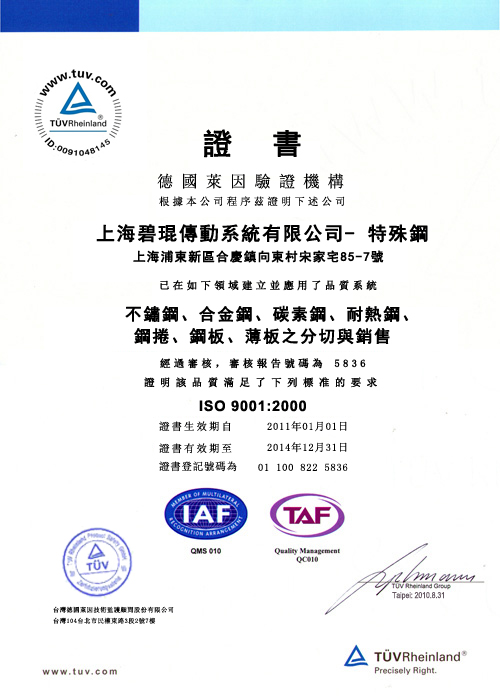
2.3 Robust Design for Harsh Environments
Steel belt systems operate under extreme thermal, mechanical, and chemical stress. The supplier must demonstrate:
- Excellent static and fatigue strength – Carbon steel belts from BPS/EPS undergo heat treatment to achieve a smooth, hard surface with a dark oxide layer, preventing corrosion in low-risk environments.
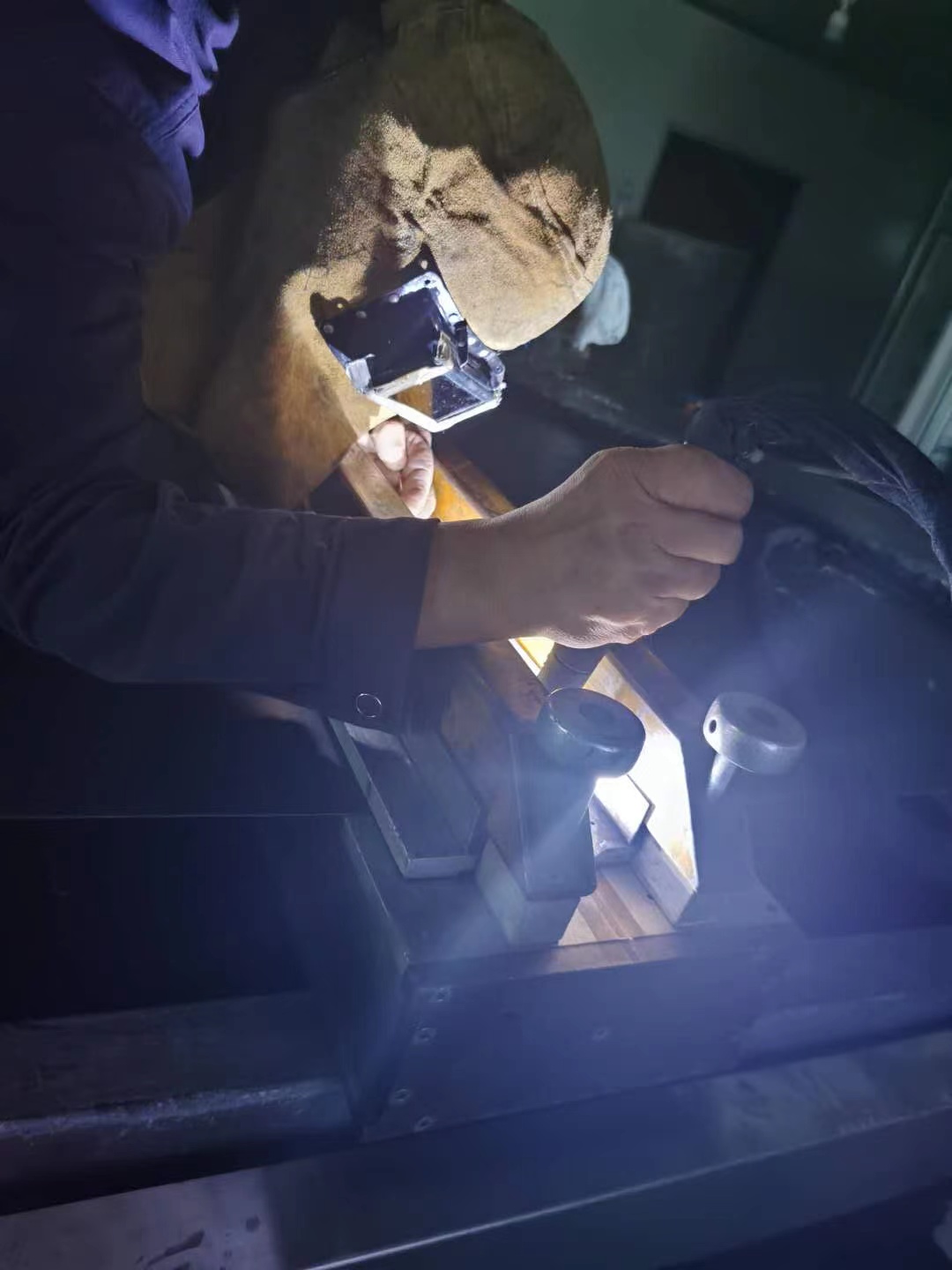
- Repairability – On-site welding repair and insert repair services (crack welding, insert replacement) minimize downtime. BPS/EPS operates a dedicated maintenance center in Shanghai with 40+ global staff providing emergency repair within 48 hours.
- High flatness and straightness – Critical for uniform product contact. BPS/EPS delivers belts with flatness tolerance ≤0.1 mm/m.
3. Success Story: Customized Steel Belt Pastillation for a Chinese Chemical Plant
Client Profile: A major Chinese sulphur processing company (annual output 150,000 tons) needed to replace an aging rotating drum system to meet new municipal emissions standards.
Challenge: The existing drum produced irregular lumps and released steam containing H₂S. The new system had to:
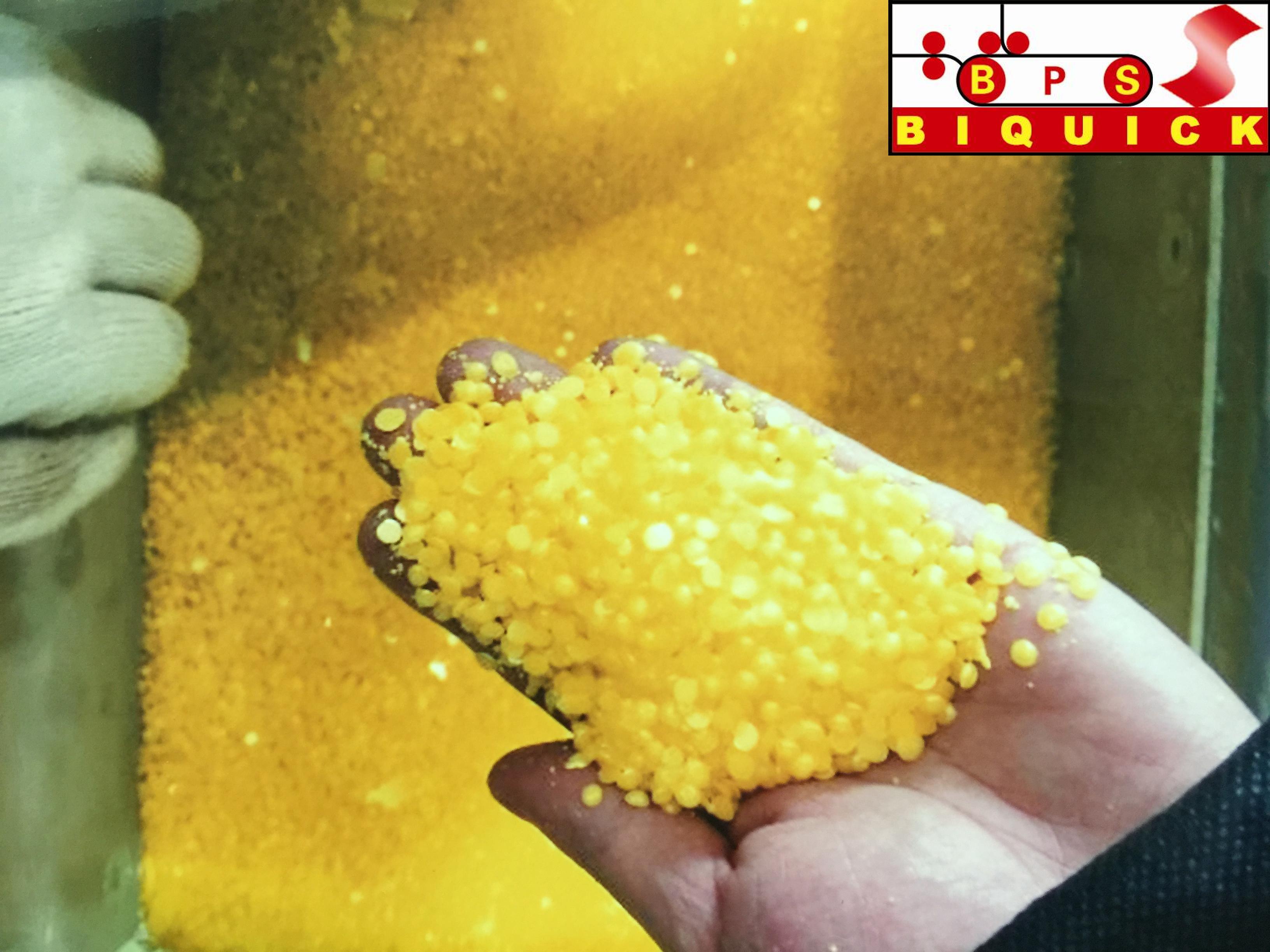
- Produce uniform 3–6 mm pastilles for easy bagging.
- Operate in a Zone 22 dust area (ATEX compliance required).
- Reduce cooling water consumption by 40%.
Solution from BPS/EPS:
- Supplied a Sulphur Pastillator with a stainless steel belt (width 1.2 m, length 25 m) and closed-loop cooling water system.
- Integrated a water spray unit on the belt backside with precise temperature control (inlet 25°C, outlet 45°C) to ensure rapid solidification without deformation.
- Provided rubber V-ropes for belt tracking and a NEMA 4X electrical enclosure for hazardous area compliance.
Results (6-month operational data):
- Pastille size distribution: D50 = 4.2 mm (within ±0.5 mm specification).
- Cooling water recycling: 92% reduction in wastewater discharge.
- Energy consumption: 0.12 kWh per kg of pastille, 35% lower than drum system.
- Belt service life: >18 months with no crack formation (periodic NDT inspection).
"The BPS/EPS team conducted a thorough on-site survey, then engineered the pastillator with a special belt tensioning system that compensates for thermal expansion. Their after-sales support—including spare parts stocked in Shanghai and a 24/7 technical hotline—gave us confidence to proceed." — Plant Maintenance Director
4. Key Collaboration Points for Buyers
To ensure a successful partnership, procurement teams should follow these four steps:
4.1 Clarify Industry Standards Early
- Specify target certification (e.g., ISO 9001, FDA, ATEX) in the RFQ.
- Define material grade for the belt: e.g., carbon steel for dry baking/drying of pastes, stainless steel (304L/316L) for food or corrosive chemicals.
- Request material certificates with chemical composition and mechanical properties (yield strength ≥ 350 MPa for carbon belts).
4.2 Demand On-Site Process Survey
A reputable supplier like BPS/EPS offers free pre-sale engineering visits to measure space constraints, power supply, cooling water quality, and product handling downstream. This avoids costly retrofits.
4.3 Verify After-Sales Service Capabilities
- Emergency repair response time: BPS/EPS guarantees 48-hour arrival for Chinese mainland customers, 72 hours for international.
- Spare parts inventory: Ensure the supplier stocks replacement belts, V-ropes, bonding tapes (UK/Germany origin), and wear parts.
- Training: Request operation and maintenance training for your team – BPS/EPS provides on-site installation guidance and periodic training sessions at its Shanghai headquarters.
4.4 Define Performance Metrics in the Contract
Include KPIs such as:
- Belt flatness (≤0.15 mm/m after 1 year).
- Cooling efficiency (e.g., product outlet temperature within ±2°C of target).
- Mean time between failures (MTBF) ≥ 8,000 hours for the belt system.
Conclusion
In 2026, the steel belt processing equipment market is fragmenting between commodity belt sellers and integrated solution providers. For buyers in chemical, food, and industrial processing, the most reliable partners are those who combine deep domain expertise, full certification, and a global service network. BPS/EPS stands out as a technology-driven group that “Bases in China and Serves Globally,” offering everything from carbon and stainless steel belts to complete pastillators, flakers, tunnel ovens, and chocolate conveyors. Their ISO-certified manufacturing, 40+ global employees, and dedicated maintenance center in Shanghai ensure that every system delivers maximum uptime and product quality.
For detailed technical specifications or to request a free process consultation, contact BPS/EPS at +86-13916661495 or email ken.feng@bpstek.com / sales@bpstek.com. Visit www.bpstek.com for more case studies.